
 By
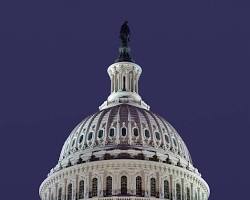
By If you stand in the center of Washington, D.C., the air is thick with a familiar, high-stakes theater. Massive stone monoliths project timeless permanence while, inside, lawmakers spar over trillion-dollar deficits, national security strategy, and sweeping executive actions. Yet, to understand the true pulse of American governance today, you have to look away from the Capitol dome. You have to travel to a packed school board meeting in a Kansas suburb, a municipal water authority session in the parched Southwest, or a statehouse corridor where local leaders are quietly engineering solutions to crises Washington has long since abandoned.
American governance in 2026 is defined by a striking paradox: intense ideological polarization and institutional gridlock at the federal summit, counterbalanced by pragmatic, frantic, and highly inventive problem-solving at the state and local levels. The grand experiment of American federalism is changing form, shifting away from a top-down hierarchy into a patchwork of regional laboratories where democracy is being tested, stressed, and occasionally reinvented.
The Federal Summit: Gridlock, Debt, and the Executive Engine
At the national level, governance is caught in a perpetual loop of structural strain and high-stakes maneuvering. Federal deficits loom larger than ever, with projections pushing past historic thresholds as mandatory spending and net interest costs squeeze discretionary budgets. Yet numbers on a Congressional Budget Office spreadsheet tell only half the story. The deeper challenge lies in a fractured consensus over what the federal government’s core responsibilities actually are.
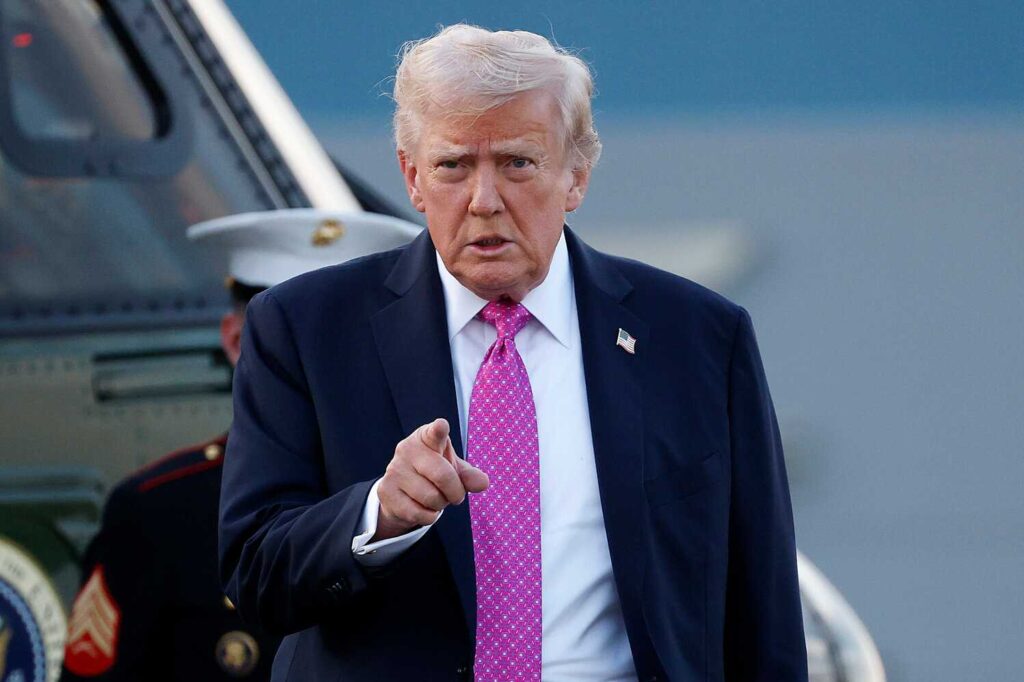
With national politics tethered to razor-thin congressional majorities and deep partisan divisions, the legislative branch often struggles to pass foundational reforms. Into that vacuum has stepped an aggressive executive branch, utilizing rapid-fire policy actions, executive orders, and administrative shifts to shape the country’s trajectory in real time. Whether reshaping foreign alliances or enforcing stricter border controls, the executive engine moves at a blistering pace, leaving international allies, local jurisdictions, and the courts scrambling to adapt.
This dynamic has transformed Washington into a theater of perpetual motion without a clear center of gravity. When every policy shift is met by immediate legal challenges from opposing state coalitions, the federal government risks becoming less an arbiter of national unity and more a catalyst for institutional friction.
The Statehouse Resurgence: Laboratories of Divergence
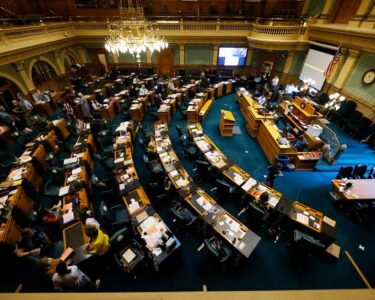
As Washington stumbles through partisan crosscurrents, America’s state capitals have stepped into the breach, becoming the true epicenters of policy innovation. Governors and state legislators are no longer waiting for federal permission or funding; they are drafting their own blueprints for the future.
This state-level activism has created a vivid patchwork of governance across the map. In numerous states, legislatures are aggressively tackling practical burdens: cutting property taxes, overhauling state energy grids to prioritize reliability, and implementing statewide restrictions on classroom cell phones to combat digital distraction among students. At the same time, deep ideological divides between “red” and “blue” states are sharpening on hot-button issues like immigration enforcement, reproductive rights, and corporate regulation.
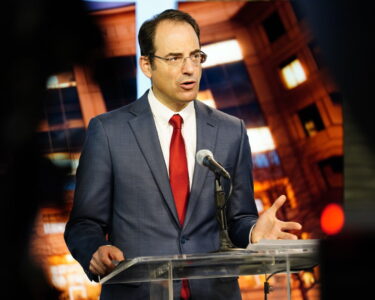
Governors are increasingly vocal actors on the national stage, using their executive platforms to challenge federal mandates or pilot aggressive state-level enforcement programs. The statehouse has evolved from a quiet administrative outpost into the frontline trenches of American politics, where elections carry immediate, tangible consequences for daily life.
The Local Crucible: Cities, Counties, and the AI Revolution
Drill down to the municipal and county levels, and the grand debates of national TV studios dissolve into the immediate realities of potholes, housing shortages, and public safety. City halls and county commissions are where governance meets human friction.
Local leaders face a demanding fiscal reality: pandemic-era federal relief funds have dried up, leaving local budgets exposed to rising labor costs, aging infrastructure, and revenue volatility. To survive, forward-thinking cities are turning toward quiet technological revolutions. Across the country, municipal finance offices and public service agencies are leaning heavily into automation and agentic artificial intelligence. From streamlining public housing applications to predicting traffic bottlenecks and fortifying municipal networks against ransomware, local governments are modernizing out of sheer necessity.
Yet, technology cannot mask the human strain. School boards and zoning commissions remain flashpoints for cultural and economic anxieties. When communities debate affordable housing density or public school curricula, they are grappling with a fundamental question: Who gets to belong here, and how do we share our space? These micro-political battles are often messy, loud, and deeply personal, but they are also where civic muscles are built—or broken.
Conclusion: The Fragile Web
The present state of American governance is neither a total collapse nor a golden age; it is a tense, high-altitude balancing act. The federal government pulls toward ideological extremes and executive dominance, while local and state entities bend toward pragmatic adaptation, technological modernization, and fierce regional divergence.
The strength of the American system has never been its quiet uniformity, but its capacity to absorb shock across thousands of independent pressure points. As the nation navigates a complex economic and political landscape, the health of its democracy will rely less on what happens in the marble halls of Washington, and more on the resilience, honesty, and grit found in the town halls, school boards, and statehouses across the land.