 By
By If you ever want to know what hope sounds like, come stand in the middle of a church hall filled with families who finally feel seen. On August 12, 2026, that sound- laughter, Spanish, English, children’s chatter, and the soft hum of volunteers sorting groceries- rose from every corner of St. Mark’s Lutheran Church in Aurora. I walked in as a reporter, but within minutes, I felt more like a neighbor being welcomed home.
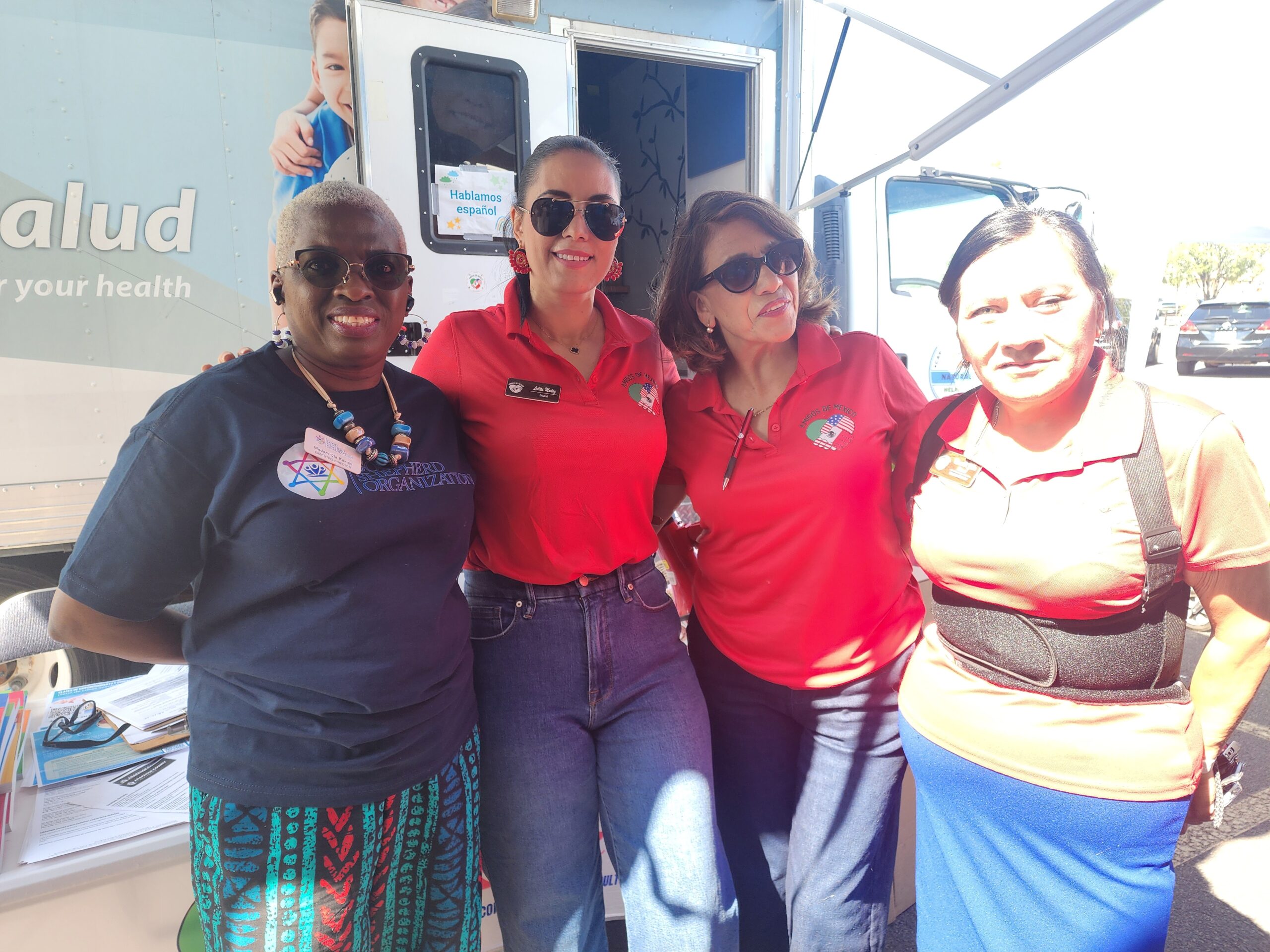
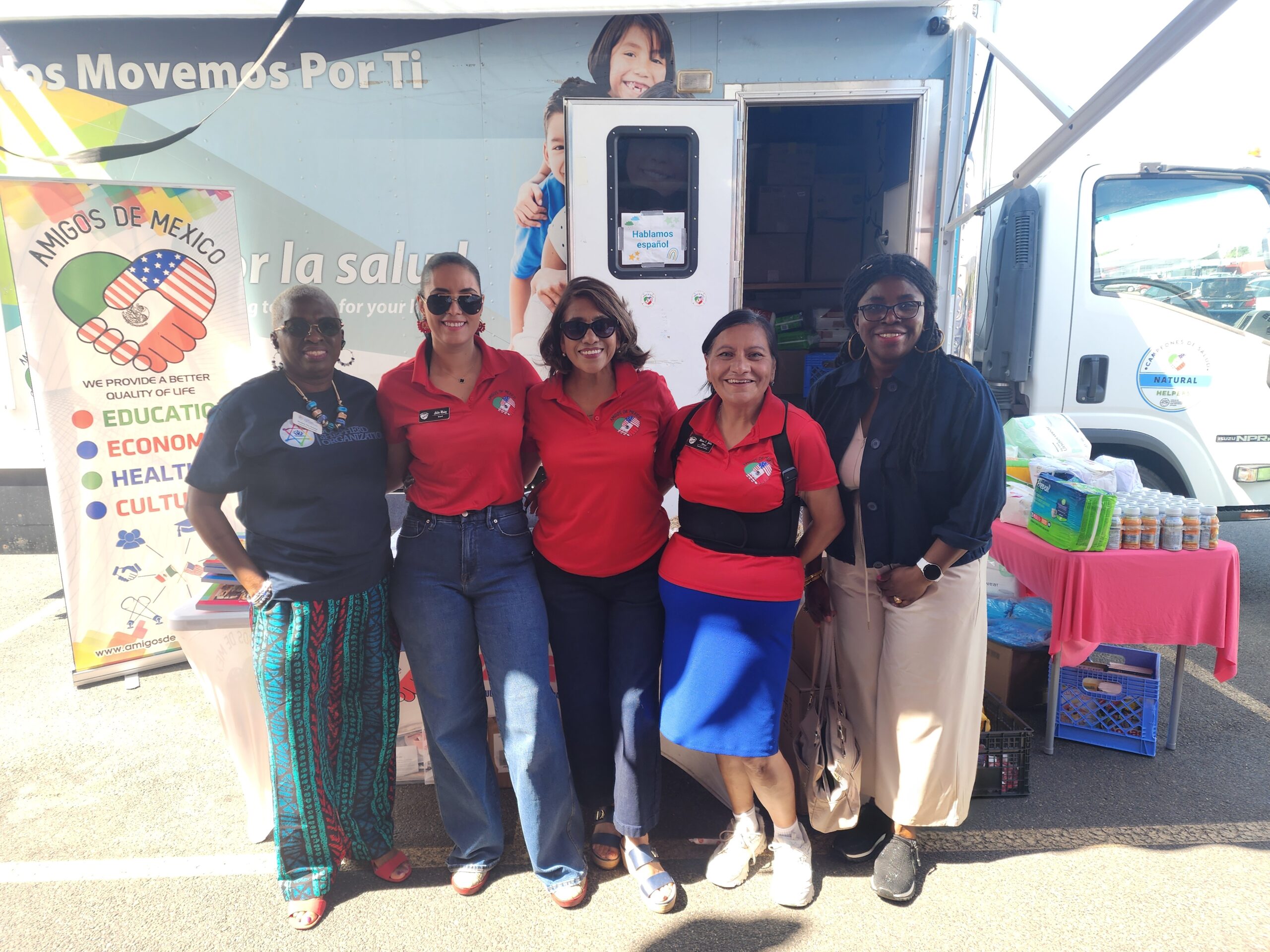
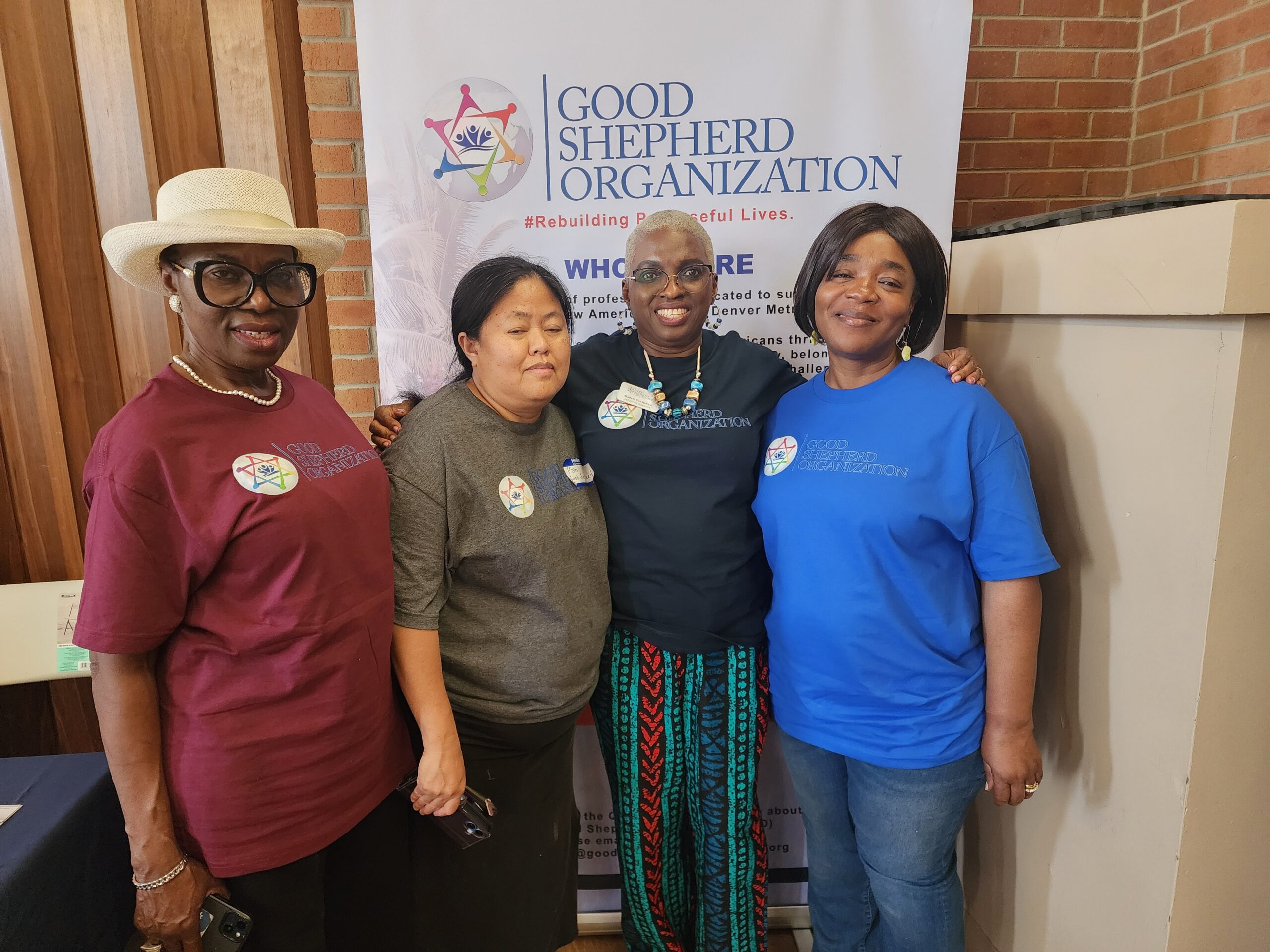
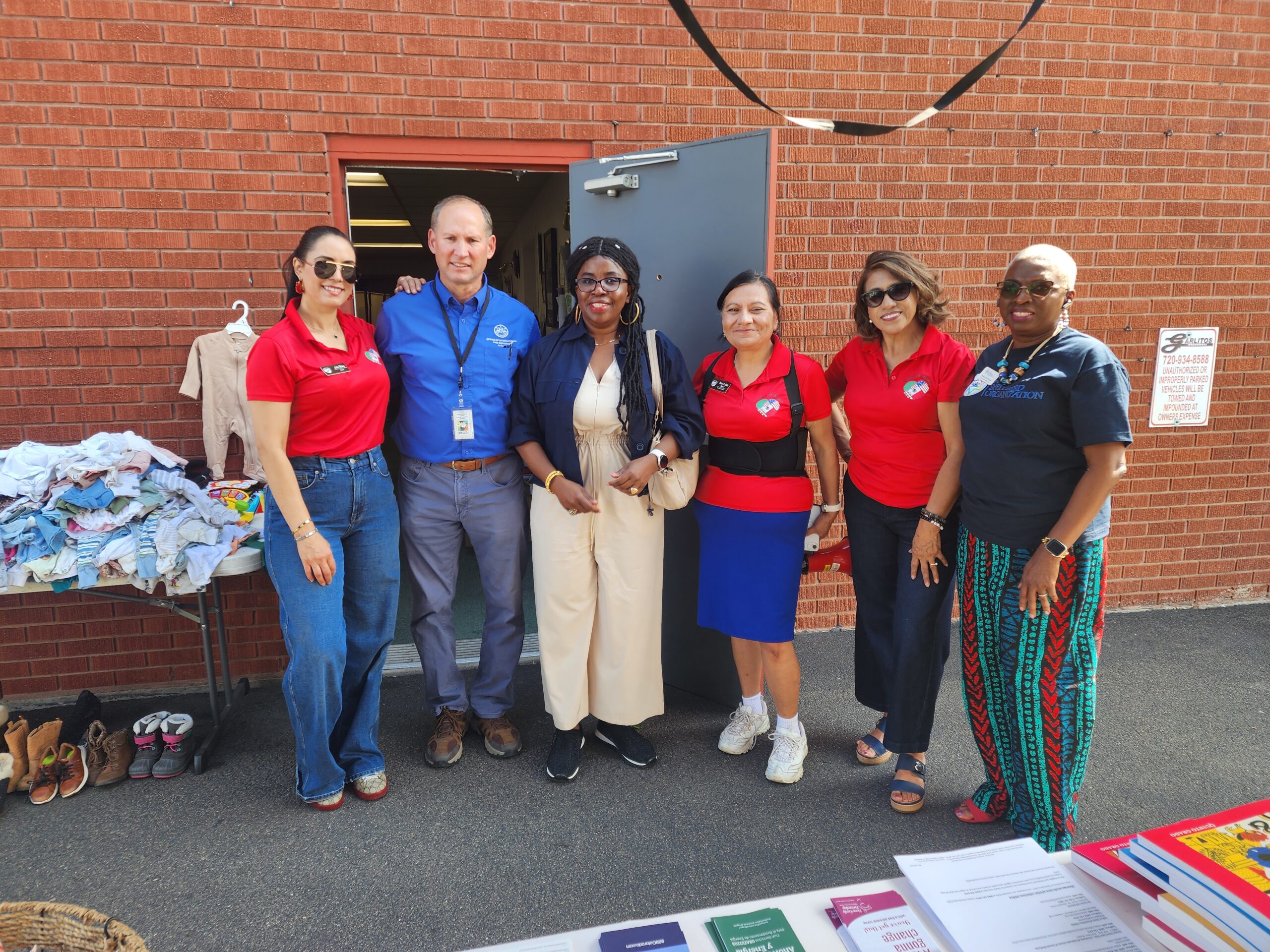
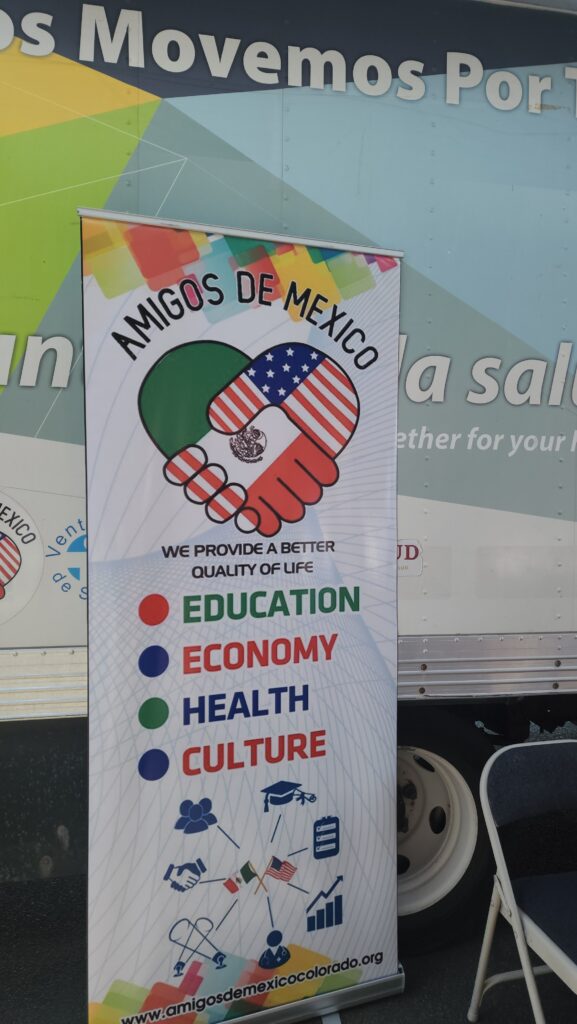
This was the inaugural Community Resource Fair, organized by the Good Shepherd Organization in partnership with Amigos de México and sponsored by The Denver Foundation. And from the moment I stepped inside, it was clear that I had walked into a lifeline.
Two Women, One Vision: Good Shepherd & Amigos de México
At the heart of the fair were two women‑led organizations that have quietly become pillars for immigrant families.
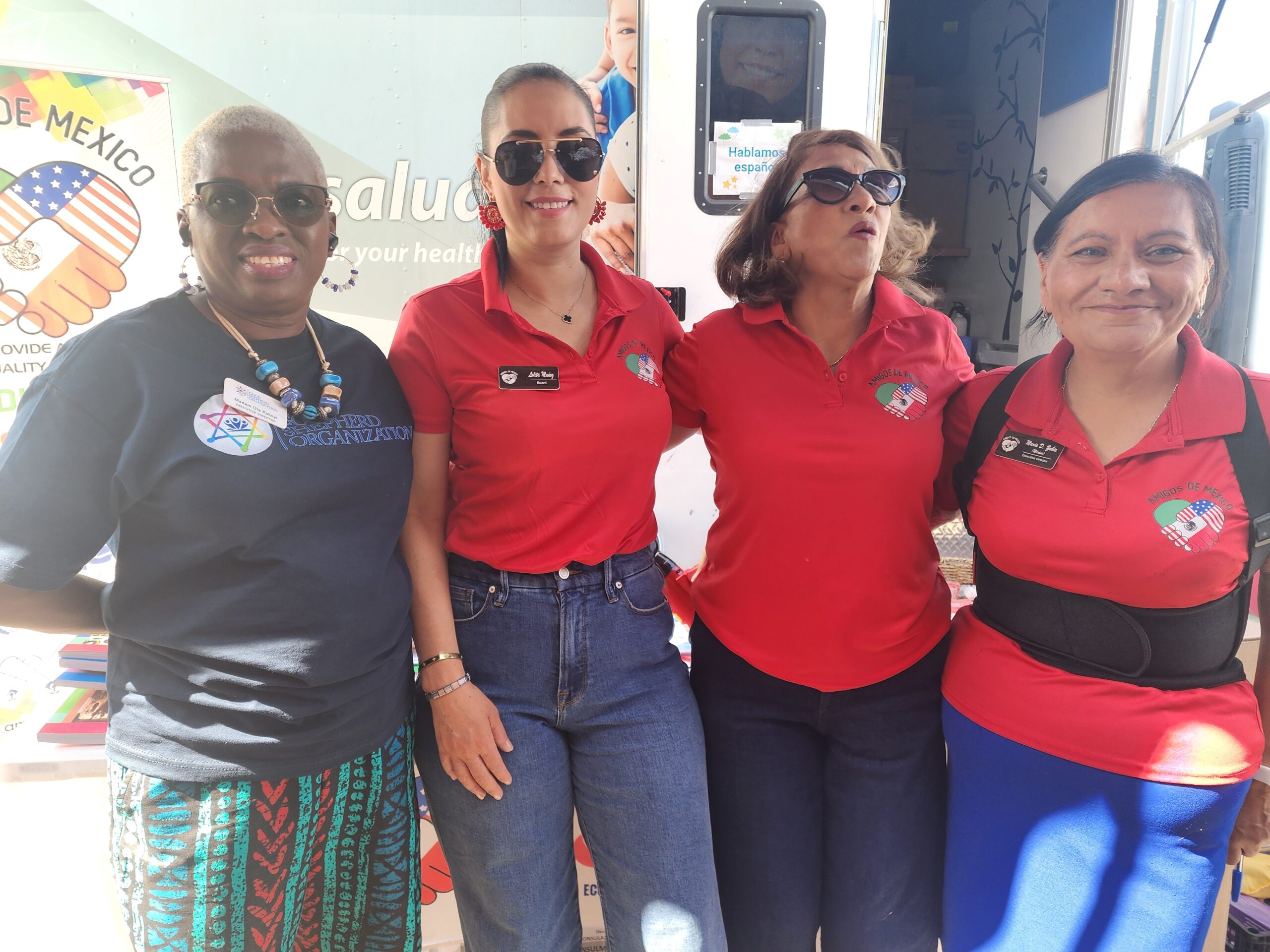
Founded by a Nigerian immigrant, Madam Ola Kukoyi, Good Shepherd Organization, whose tagline is Rebuilding Purposeful Lives, has steadily become a bridge for African and diaspora families. Madam Ola’s presence was unmistakable. She moved through the hall with the kind of attentiveness only a community mother can give: checking on guests, greeting partners, making sure no table lacked a listening ear.
Amigos de México, founded in 2019 by Latina immigrant women, brought the same spirit of grassroots care. Executive Director María “Marina” Zubia guided me through the fair, explaining how their work grew from urgent community needs into a bilingual, culturally grounded nonprofit serving Spanish‑speaking and mixed‑status families.
Together, these two organizations created a space where newcomers could receive information and resources in the languages and cultural frames that make sense to them. Not just brochures, but real conversations, real names, real next steps.
A Village for Newcomers: The Little Village Early Learning Center
One table in particular pulled me in with its quiet power: The Little Village Early Learning Center. One of their representatives, Claudine Migisha, spoke about stability the way some people speak about oxygen- essential, life‑saving, and too often taken for granted.
The Little Village serves children from six weeks to six years old, offering tuition‑free preschool for four‑year‑olds and a care program that helps parents navigate everything from public benefits to mental health referrals. Founder Ellie Adelman envisioned a place where single mothers, refugees, and immigrants could breathe again.
Claudine Migisha shared her journey from struggling graduate student with a one‑year‑old to homeowner, car owner, and leader. “We help families who are shaking find solid ground,” she said. And she is living proof.
Pathways to Work: Denver Workforce Services
At another table, Anna Ciladonia and Dorothy from the Denver Workforce Services were busy turning frustration into opportunity. They told me that the workforce center offers resume coaching, interview tips, access to computers, and Connecting Colorado job‑matching. Through WIOA funding, they help job seekers pursue short‑term credentials, CDL licenses, trade certificates, and other pathways to stable employment. For many attendees, this table wasn’t just information. It was permission to imagine a different future.
Holistic Care: Inner City Health Center
Healthcare tables always draw crowds, but Inner City Health Center brought something deeper: reassurance. Portia Carter and Tiara Alvarez explained their model of medical, dental, and behavioral health care for both insured and uninsured patients. Their materials, printed in English and Spanish, reflected the room’s diversity. Their message was simple: your health should not depend on your wallet.
Women’s Health & Movement: Cami Health and MOVE
Few topics carry as much quiet fear as breast cancer. At the Cami Health table, representatives Gerlende and Jeree Ajayi met that fear with facts, compassion, and empowerment. They urged women to ask about breast density, consider genetic testing, and advocate for supplemental screening. “You are part of your medical team,” they reminded us.
Alongside this, they introduced the MOVE Program, offering adults 45+ a health coach, free recreation center access, and a small financial incentive to stay active. It was wellness with dignity.
Hungree App: A Digital Bridge Between Surplus and Survival
In a room where families were lining up for donated groceries, Hungree App felt like a quiet revolution, technology meeting real‑world needs most practically. According to Peter Adeyeye, Hungree’s Director of Policy & Partnerships, the app is a community-sharing platform that lets anyone post excess resources—food, furniture, electronics, clothes, and more—so others nearby can claim them for free. In seconds, donors can list what they have, and community members receive notifications, request items, and coordinate pickup through an in-app map and messaging.
Peter was busy showing people how to download the app, tapping through screens with the ease of someone who has done this a thousand times.
Managing Sugar and Stress: Diabetes & Heart Wellness
Kristen and Erica spoke passionately about diabetes prevention and heart health. Their programs, diabetes self‑management and the year‑long Journey to Wellness, focus on nutrition, sleep, stress, and movement. Erica offered blood pressure checks and emailed personalized resources. Their tone was gentle, non‑judgmental, and deeply human. “We meet you where you are,” they said. And they meant it.
Rideshare, Reimagined: Drivers Co‑op
Transportation is often the invisible barrier behind missed opportunities. Drivers Co‑op, represented by Michael Ford, offered a refreshing alternative to traditional rideshare apps. Drivers earn 80% of fares and are part‑owners of the cooperative. No surge pricing. No booking fees. Just fairness and shared ownership. It’s still growing, but its heart is in the right place.
Standing with Mexican Families: The Consulate’s Support
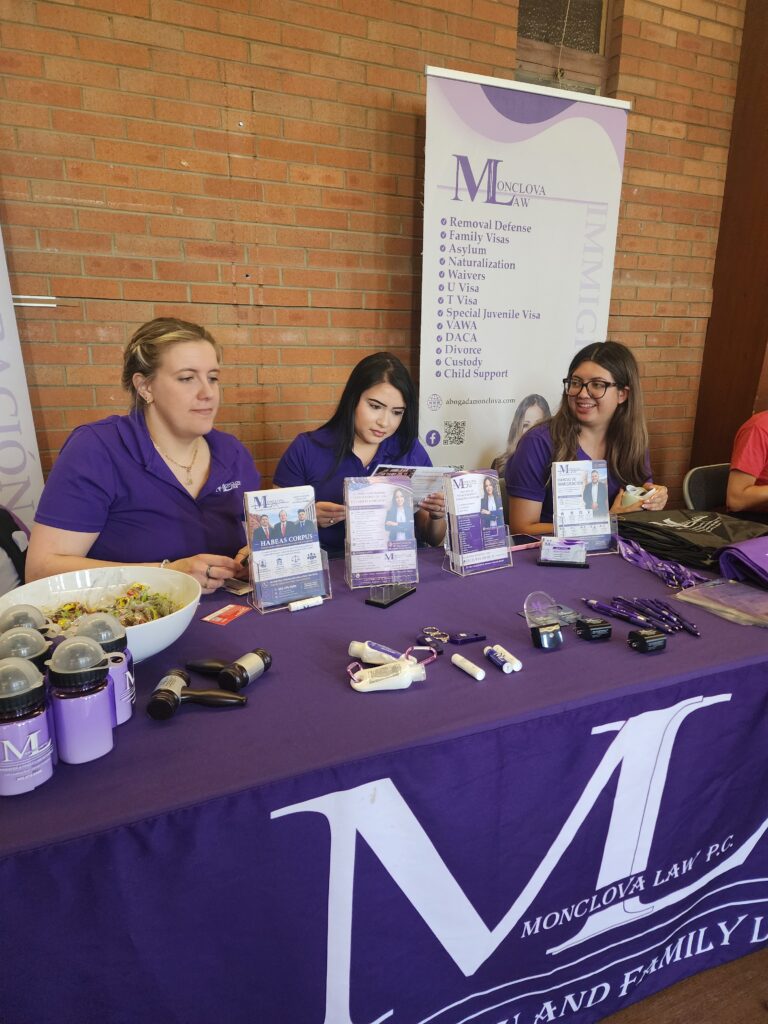
The Mexican Consulate’s table, staffed by Larissa Talamantes and Francisco, was busy. They patiently explained passports, consular protection, and dual nationality for the U.S.‑born children of Mexican parents. Many families don’t realize how crucial dual nationality can be. As Larissa explained, “It’s about keeping families together across borders.” And that day, they made sure families left with appointments, not just flyers.
Amplify & Village Exchange Center Resources
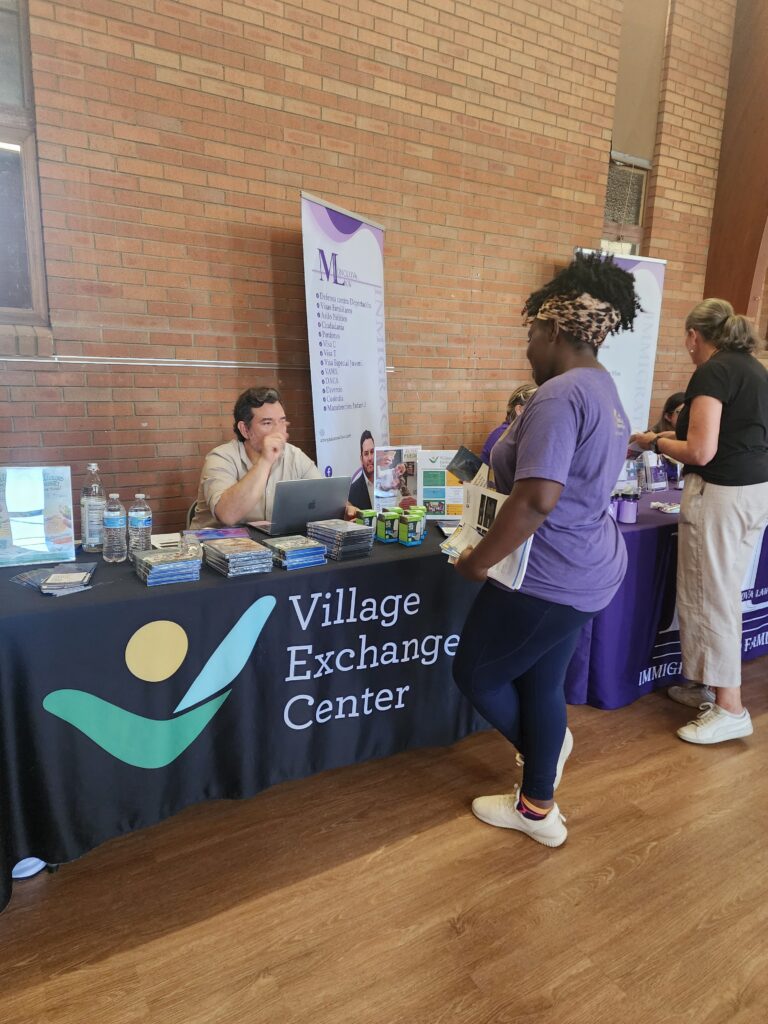
For families who fall through the cracks of the health system, Amplify offers a lifeline. Jenny and Javier from Village Exchange Center describe a low-cost membership with Stride that covers primary care for those who earn too much for Medicaid but still can’t afford private insurance. For about $85 a month, members can see a doctor without worrying about copays or medical bills. Beyond health care, Village Exchange Center is a hub for community support: a weekly food bank, free RTD tickets, a youth group focused on nature, education, and leadership, and job readiness support, all open to anyone, regardless of county or immigration status.
Filling Everyday Gaps
Other tables that met essential needs included Aurora Housing Authority, which guides residents through housing assistance.
RTD Transit Discounts & Zero Fare for Youth
RTD is working to remove transportation barriers for our communities. John Lopez explains that the LiVE Discount Program cuts transit fares in half for qualifying low-income riders, while the Zero Fare for Youth initiative lets anyone 19 or younger ride for free with just a school or state ID. No forms, no complicated process, just safer, easier access to school, work, and opportunity.
Many Threads, One Fabric
By the end of the day, families walked out with groceries, clothes, health checks, appointment cards, and new names saved in their phones. They arrived with questions and worries; they left with hope and direction. As I stood near the exit watching children tug at bags of donated food and parents clutching folders of resources, I felt the weight of what this fair represented: a community determined to take care of its own. These partners were not just there to provide services. They were stepping stones toward stability.
Immigrants and refugees. Black and Brown families. Long‑time residents and brand‑new arrivals. All stitched together in one church hall by the belief that everyone deserves dignity, information, and a chance to move forward.
For Afrik Digest, this fair was a reminder of why we tell these stories. When communities gather, listen, and lift one another, they aren’t just sharing resources. They’re building a home.