
 By
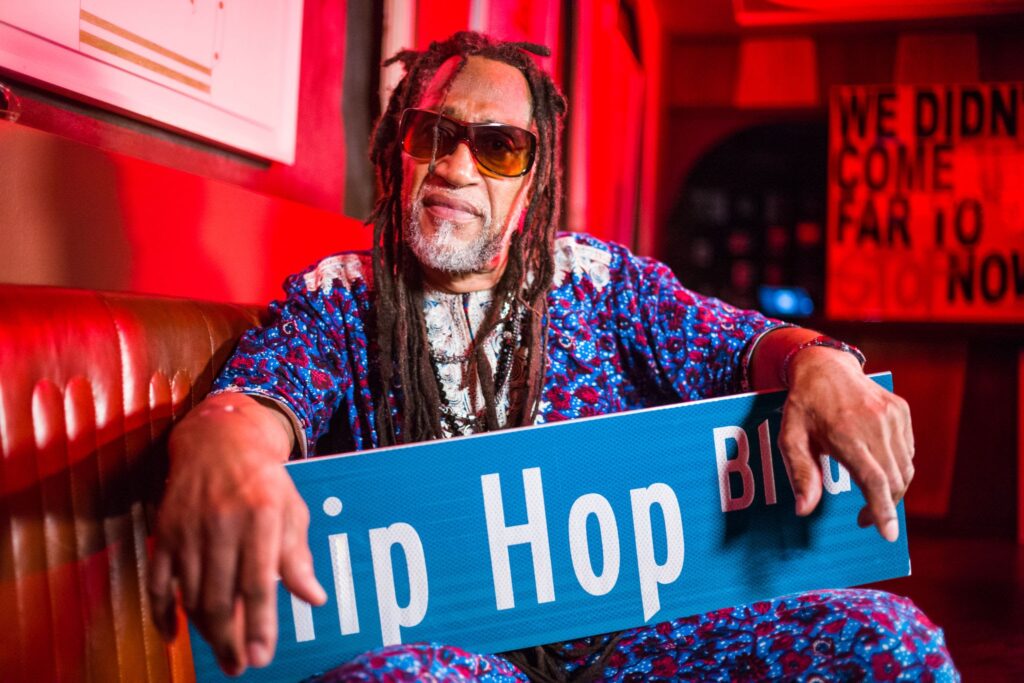
By The static hum of a needle hitting vinyl doesn’t just play a record; it summons a history. On a humid summer evening in a South Bronx rec room in 1973, DJ Kool Herc didn’t know he was engineering a cultural revolution. He was just isolating the breakbeats, trying to keep the block dancing. But in extending those precious seconds of percussion, he tapped into a rhythm deeper than music. He gave a generation of Black Americans, marginalized and systematic-ignored, a platform to state three undeniable words: We are here.
Over half a century later, hip-hop is no longer just a South Bronx neighborhood secret; it is the dominant global youth culture. Yet beneath its billion-dollar streaming empires and high-fashion red carpet appearances lies its original, unyielding core: the architectural blueprint of modern Black political and social consciousness.
To understand hip-hop’s impact on the Black psyche in America, one must look past the glittering trophies and analyze it as a living archive—a sonic newspaper reporting live from the frontlines of systemic disenfranchisement, resilience, and unapologetic pride.
The Sonic Newspaper: Reporting from the Edge
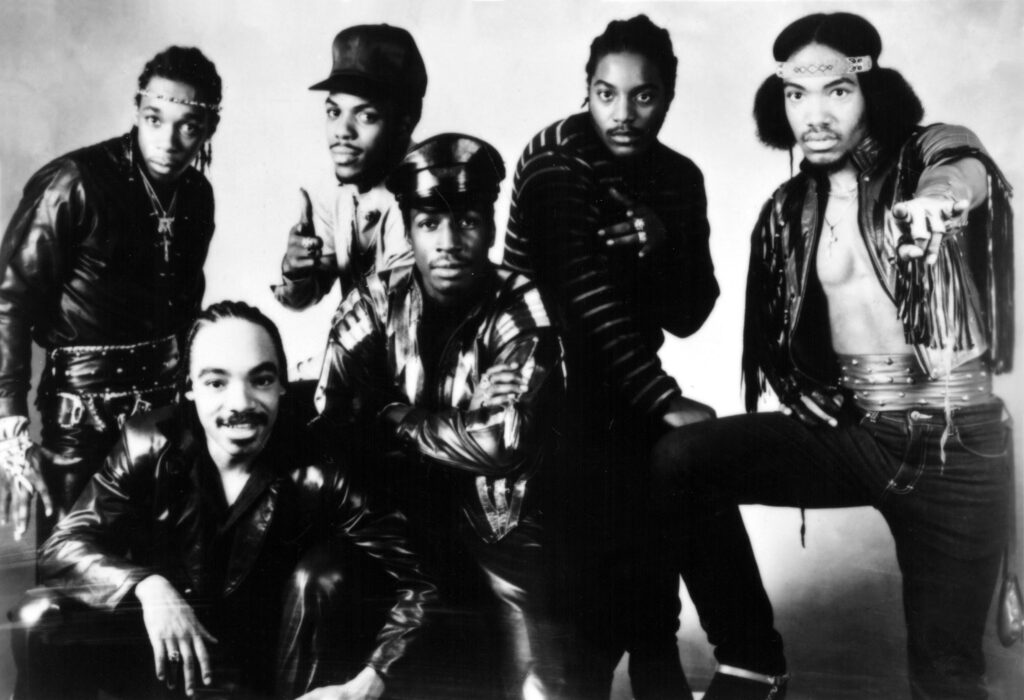
When Grandmaster Flash and the Furious Five dropped “The Message” in 1982, it disrupted the disco-laced escapism of popular radio. The opening lines didn’t promise a party; they laid bare the claustrophobia of urban neglect: “It’s like a jungle sometimes, it makes me wonder how I keep from goin’ under.”
For the first time, young Black Americans heard their daily micro-traumas—broken elevators, underfunded schools, police surveillance—validated in real-time. The genre became a vital news network long before social media or 24-hour cable news. It gave voice to communities that traditional media outlets routinely vilified or ignored.
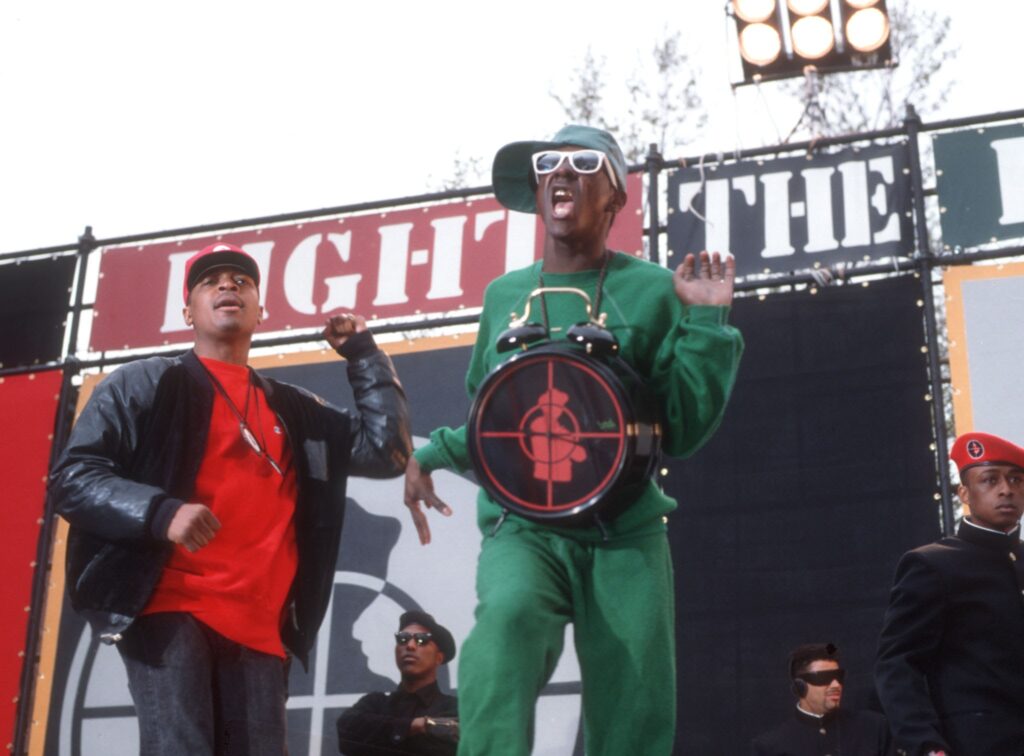
As the 1980s gave way to the 1990s, artists like Public Enemy transformed the microphone into a podium. Chuck D famously dubbed hip-hop “the Black CNN,” and tracks like “Fight the Power” served as intellectual wake-up calls. They referenced Malcolm X, challenged systemic racism, and urged young Black listeners to interrogate the history books handed to them in school classrooms.
Through sharp wordplay and relentless boom-bap production, hip-hop shifted Black consciousness from passive endurance to active, radical awareness. It wasn’t just music; it was self-defense, pedagogy, and political organization set to a beat.
The Canvas of Identity, Pride, and Rage
Beyond politics, hip-hop reshaped Black identity by reclaiming agency over narrative. In a society that historically pressured Black Americans to assimilate, hip-hop demanded the opposite: radical authenticity.
It created a space where raw human emotion—including valid rage—could exist without apology. When N.W.A released “Fuck tha Police” in 1988, suburban America reacted with moral panic, but Black youth recognized it as an authentic expression of collective frustration with police brutality in Los Angeles. Decades before the nation watched video evidence of systemic injustice on smartphones, hip-hop had already provided the testimony.
Yet, hip-hop’s contribution to consciousness wasn’t limited to anger. It built a sanctuary of joy, self-expression, and economic ambition.
From Dapper Dan’s Harlem luxury bootlegs to FUBU (“For Us, By Us”), hip-hop turned street style into high art, asserting that Black culture was the global trendsetter. Icons like Jay-Z and Kendrick Lamar expanded the boundaries of Black imagination, shifting the narrative from street-level survival to board-level ownership and systemic change. In recent years, artists like Kid Cudi and J. Cole have dismantled long-standing taboos around vulnerability, trauma, and depression within Black communities.
The Evolution: From the Block to the Movement
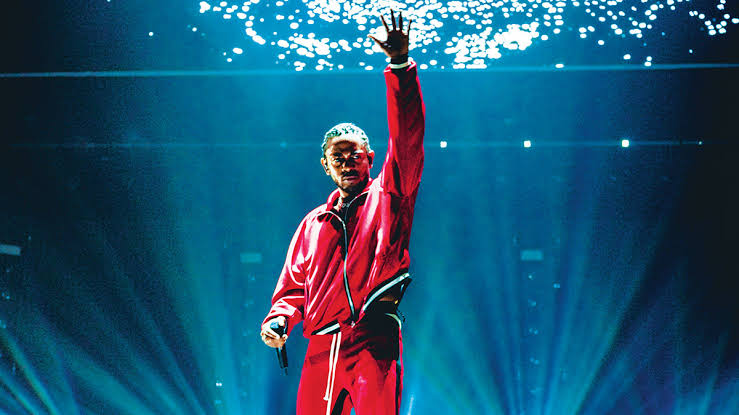
The line connecting 1970s block parties to modern social justice movements is direct and undeniable. During the Black Lives Matter demonstrations that swept across the United States, Kendrick Lamar’s “Alright” became an unofficial national anthem.
When thousands marched through city streets, chanting “We gon’ be alright,” they weren’t just singing a chorus—they were reciting a psalm of endurance passed down through generations of hip-hop storytellers. The music continues to provide both the armor for resistance and the salve for exhaustion.
Modern hip-hop continues to evolve, reflecting a Black consciousness that is more inclusive, expansive, and global than ever before. It now embraces women-led narratives with unprecedented force through artists like Rapsody, Megan Thee Stallion, and Little Simz, while bridging continental divides by fusing with Afrobeats and UK Drill.
The Echo That Refuses to Fade
Hip-hop’s greatest achievement isn’t its commercial supremacy or its permanent seat in the halls of pop-culture immortality. Its true victory is how it taught young Black Americans to see themselves.
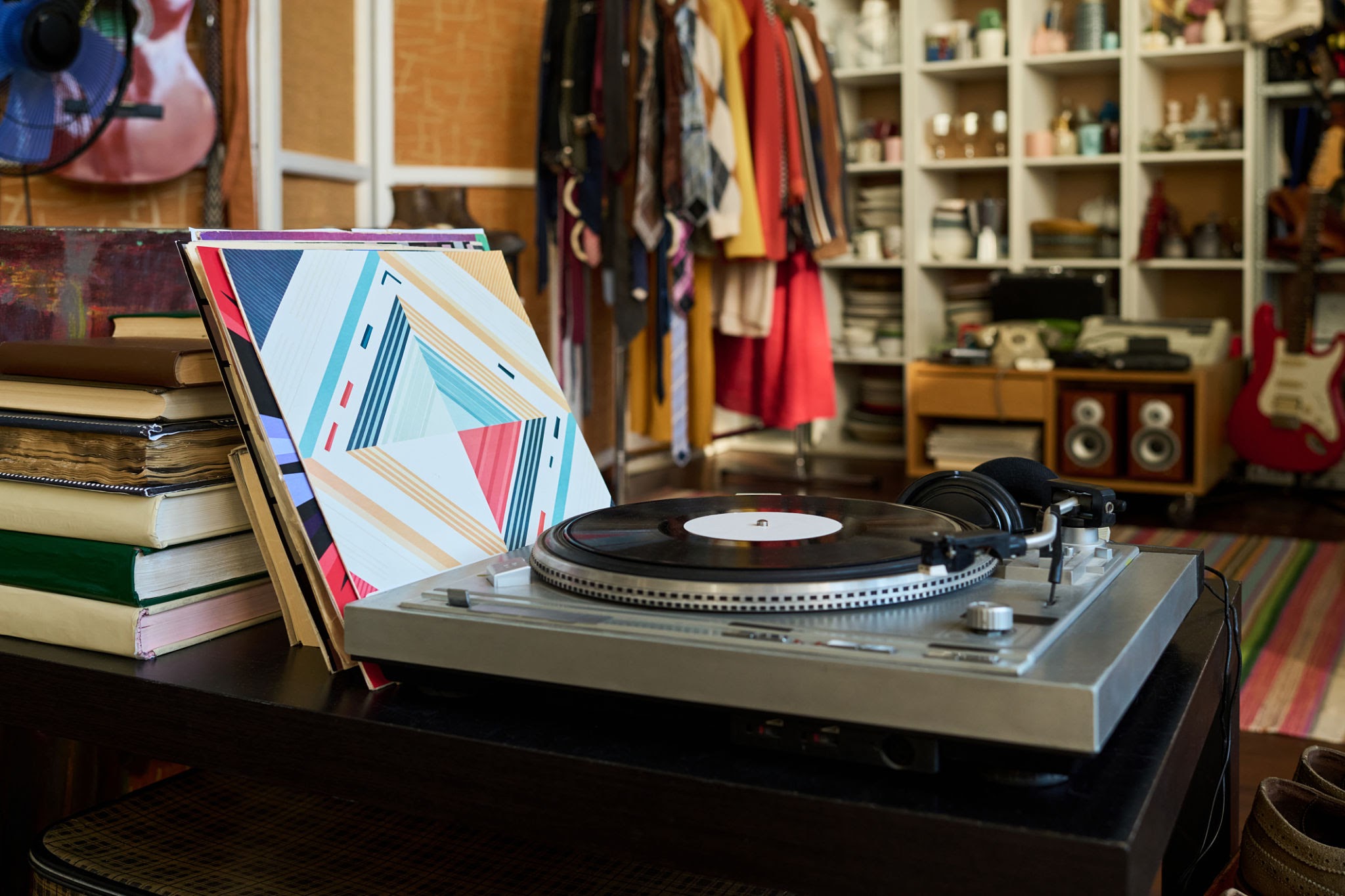
It took the scraps of a broken system—a pair of turntables, a scratched record, a microphone, and an unfiltered story—and built an empire of the mind. It reminded an entire culture that their stories were worth telling, their anger was valid, their joy was sacred, and their voices could shake the world.
As long as the beat breaks and the MC speaks, that consciousness remains unbroken.