
 By
By One on one with Dr. Adeolu Adeboye
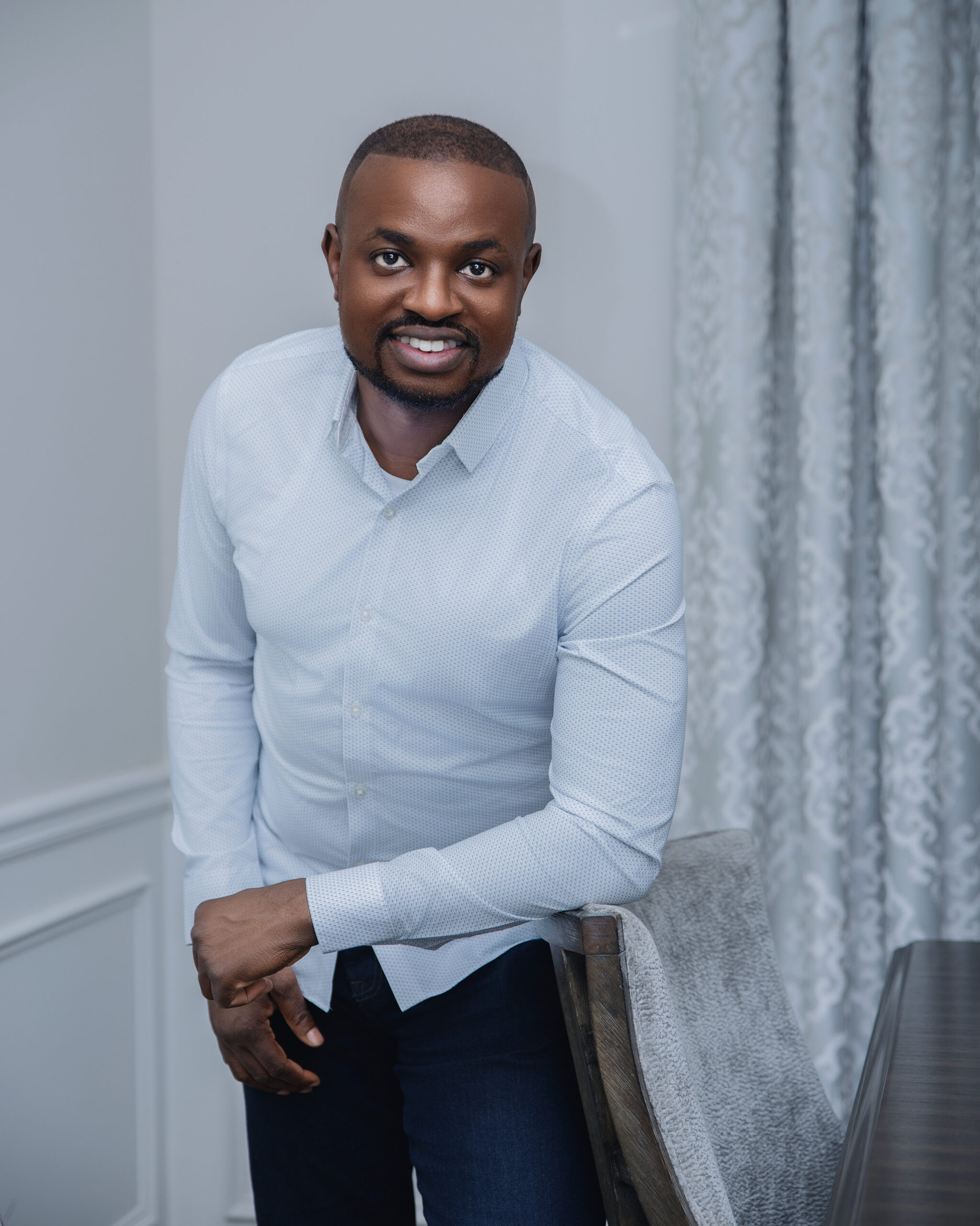
When high-level surgical skill meets unwavering faith and a deep commitment to service, the impact transforms lives far beyond the operating room. In this inspiring interview, Tolulope Omotunde of AfrikDigest Magazine had an online interview with Dr. Adeolu Adeboye, the founder of Shekinah Global Healthcare Foundation—a Nigerian-born US trauma surgeon and surgical intensivist who bridges global healthcare disparities through free medical missions. From the logistics of delivering surgical care in remote communities to the profound economic ripple effects of a simple hernia repair, this conversation delves into the power of stewardship, local partnerships, and the relentless drive to ensure that no one’s geography or financial standing dictates their right to healing.
AfrikDigest: What first inspired you to start organizing and participating in free medical outreaches in Nigeria?
Dr.Adeboye: My motivation really comes from the intersection of faith, medicine, and a deep sense of responsibility to give back. I was born and raised in Nigeria, and although I now practice as a trauma surgeon and surgical intensivist in the United States, Nigeria will always be an important part of who I am and where my story began. I have never lost that connection or the sense that I have a responsibility to contribute to the country and communities that helped shape me.
As a surgeon, I have also become increasingly aware of how profoundly access to healthcare determines outcomes. There are conditions that we routinely treat with surgery, sometimes in a matter of hours, yet elsewhere people may live with those same conditions for years. This not because treatment does not exist, but because they cannot afford an operation, cannot reach the appropriate facility, or simply do not have access to the right specialist. Seeing that disparity makes it very difficult to remain indifferent.
For me, there is also a strong element of stewardship. I believe that if God has given me the opportunity to acquire this training, experience, and access to resources, then those gifts should not benefit only the patients who happen to live where I practice. I began asking myself a simple question: How can I use what has been placed in my hands to serve people who may never otherwise have access to it? That conviction ultimately led to the creation of Shekinah Global Healthcare Foundation.
From the beginning, however, the vision has been larger than simply traveling to Nigeria and performing operations. We want to build partnerships that expand access to high-quality healthcare. That means bringing together physicians, surgeons, nurses, pharmacists, dentists, eye-care professionals, local hospitals, nonprofit organizations, community leaders, and volunteers around a shared mission.
At its heart, the work is about making sure that someone’s financial circumstances or geographic location do not become the reason a treatable condition remains untreated. For me, that is where faith, medicine, and service come together.
AfrikDigest: Can you share a specific story or encounter from an outreach that left a lasting impact on you?
Dr.Adeboye: One story that has stayed with me is that of a gentleman who came to one of our outreaches with a very large inguinal hernia. He had been living with it for quite some time, and it had become increasingly painful and limiting. Eventually, the pain and discomfort made it difficult for him to continue doing the work he depended on to earn a living and provide for his family.
What struck me was that this was a condition we knew how to treat. He did not need some experimental or highly sophisticated intervention. He only needed an operation that is performed routinely in many parts of the world, but for him, access to that surgery had become the barrier between being able to work and being unable to provide for his family. We were able to repair his hernia during the outreach, and he recovered well. Knowing that he could return to his life, resume working, and continue providing for his family was incredibly meaningful to me.
That experience reinforced something I have seen again and again through these missions: the impact of surgery extends far beyond the operating room. When you restore someone’s health, you may also restore their ability to work, care for their children, support their family, and live with dignity and independence. And there are countless stories like his; that is what continues to motivate us. Behind every number we report and every operation we perform is a person, a family, and a life that can be changed simply because someone was finally able to access the care they needed.
AfrikDigest: How do you balance your regular medical practice or hospital duties with volunteer outreach work?
Dr.Adeboye: It requires a great deal of planning, discipline, and, most importantly, an extraordinary team. My clinical responsibilities in the United States remain my primary professional obligation, so our missions are planned well in advance around my hospital schedule. But one thing I really want to highlight is that this work is very much a collaborative effort. I certainly do not do it alone.
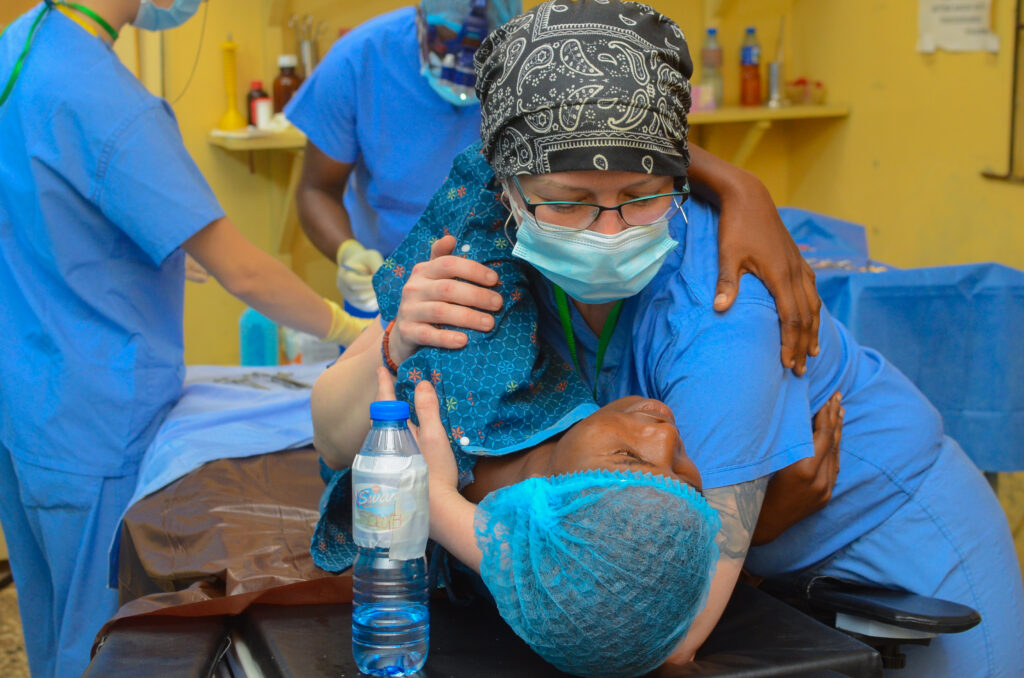
We have an incredible team within Shekinah Global Healthcare Foundation, and we work alongside experienced partners in Nigeria, particularly Pro-Health International, as well as local hospitals, healthcare professionals, community leaders, and volunteers. The work begins months before anyone boards an airplane. There are patients to identify, facilities to coordinate, medications and equipment to source, volunteers to organize, and countless logistical details to manage. It truly takes a team.
I have also learned not to think of service as something I will do when I have spare time, because the reality is that there will probably never be enough spare time. Instead, I have learned to integrate it into my life and be intentional about making room for it. Ultimately, we make time for the things we believe are important. For me, this work is important enough to make room for.
AfrikDigest: Logistics in Nigeria can be complex—how do you handle challenges like transportation, drug supply chain, and reaching hard-to-reach communities?
Dr.Adeboye: Logistics is actually one of the most demanding aspects of what we do. A successful medical outreach requires much more than simply bringing physicians and other healthcare professionals into a community. Planning begins months in advance. We have to think through medications, surgical supplies and equipment, transportation, operating-room capacity, sterilization, power supply, patient flow, laboratory and diagnostic capabilities, and appropriate referral and follow-up pathways. Some medications, surgical supplies, and equipment are sourced internationally through nonprofit organizations and industry partners, while others are procured locally based on the needs of each mission.
This is another area where partnership is absolutely critical. We work very closely with Pro-Health International and other local healthcare partners who have extensive experience organizing medical outreaches in Nigeria. Their understanding of the local environment, healthcare system, communities, and infrastructure is invaluable. They do a tremendous amount of the on-the-ground planning and coordination that allows these missions to function effectively.
We try not to approach these missions as an outside organization coming in with all the answers. We bring resources, volunteers, surgical expertise, and other capabilities, but we combine those with the knowledge and experience of people and organizations already working within the communities we serve. That partnership model has been one of the most important factors in our ability to navigate logistical challenges and deliver care safely and effectively.
AfrikDigest: How do you select the communities you serve, and what initial needs assessments do you carry out before arriving?
Dr.Adeboye: We try to be very intentional about the communities we serve. We consider the burden of unmet healthcare needs, access to care, the availability of strong local partners and, particularly for surgical missions, whether there is adequate healthcare infrastructure to provide safe treatment and appropriate follow-up.
Our local partners play a major role in the initial needs assessment because they understand the community and the local healthcare environment far better than we could from a distance. For surgical missions, patient identification and screening before we arrive are particularly important. We need to understand the conditions that are most prevalent, what procedures can safely be performed, what specialists, equipment, and supplies will be required, and what systems are available for postoperative care and follow-up.
There are also occasions when a donor, sponsor, church, or community organization approaches us with a desire to support an outreach in a particular community with which they have a meaningful connection. We welcome those opportunities as well. In those situations, we still work with our local partners to assess the needs and determine whether we can provide the kind of care that would be most beneficial and can be delivered safely and effectively.
Ultimately, whether a community is identified through our partners or through someone who wants to invest in a particular area, the same principles guide us: Is there a genuine need? Can we bring meaningful resources to address it? And can we do so safely, responsibly, and in partnership with the people already serving that community? Once those questions are answered, the needs assessment helps determine the composition of our team and the resources we bring.

AfrikDigest: Free outreaches require significant resources. How do you fund these missions and source essential medications and equipment?
Dr.Adeboye: Our missions are supported through a combination of individual donations, organizational partnerships, donated medications and medical supplies, and a tremendous amount of volunteerism.
One of the most encouraging parts of this work has been seeing how many individuals and organizations are willing to contribute when they understand the need and can see how their support directly translates into care for patients. Some people give financially, while others contribute medications, surgical supplies, equipment, professional expertise, or logistical support. Every contribution becomes part of making the mission possible.
We have been fortunate to work with nonprofit organizations and healthcare industry partners that provide medications, surgical supplies, and equipment. We also have physicians, surgeons, nurses, and other healthcare professionals who volunteer their time and expertise, often using their own vacation time and covering their own travel expenses to serve.
I often say that free healthcare is never truly free, it simply means the patient is not the one carrying the financial burden. The medications still have to be purchased or donated. Surgical supplies and equipment have to be available. There are costs associated with transportation, facilities, logistics, and delivering care safely. That is why building a strong and sustainable network of donors and partners is one of our major priorities as Shekinah Global Healthcare Foundation continues to grow. The more support we are able to mobilize, the more patients and communities we can serve.
AfrikDigest: One common criticism of brief medical outreaches is the lack of follow-up care. How do you address chronic conditions or patients requiring long-term treatment?
Dr.Adeboye: I think that is a legitimate concern, and it is something we take very seriously. A medical mission, no matter how well organized, cannot replace a functioning healthcare system or provide all of the longitudinal care that some patients will need. For us, that consideration actually begins with patient selection. We are very deliberate about the types of operations we perform during a mission. We generally avoid procedures that we know will require extensive or highly specialized long-term postoperative management that may not be readily available after the visiting team leaves. Patient safety has to take priority over the number or complexity of procedures we perform.
When we do take on more complex surgical cases, we intentionally schedule them toward the beginning of the mission whenever possible. That allows our surgical team to follow those patients closely for several days, monitor their recovery, address any early complications, and make sure they are progressing appropriately before we leave. Postoperative follow-up is then continued in collaboration with our local partners and healthcare teams. That is one of the reasons local partnerships are so fundamental to our model.
Chronic medical conditions present a different challenge because many require years, and sometimes lifelong, treatment. When conditions such as hypertension or diabetes are identified during an outreach, our goal is not to create the impression that a short supply of medication has solved the problem. It is an opportunity to identify previously unrecognized disease, provide education and initial treatment where appropriate, and connect patients with local healthcare resources for continued management whenever possible.
We also recognize the limitations of what a short-term outreach can accomplish. Ultimately, the goal is to provide meaningful care without creating needs that cannot be safely supported after we leave. That requires thoughtful patient selection, strong local partnerships, and a commitment to continuity of care beyond the days of the mission.
AfrikDigest: What are the most common preventable health conditions you encounter during these missions?
Dr.Adeboye: We see a very broad spectrum of conditions, and I would make an important distinction: many of them are not necessarily preventable, but their progression, complications, or impact on a patient’s quality of life can often be reduced through earlier diagnosis and access to appropriate care.
On the medical side, we encounter a significant burden of hypertension, diabetes, hyperlipidemia, and other chronic conditions. Some patients are unaware that they have these conditions, while others have been diagnosed but have difficulty accessing medications or consistent follow-up. We also see a tremendous need for eye and dental care. Cataracts and other eye conditions can significantly impair vision when patients are unable to access treatment, and we encounter many dental problems that have progressed because routine preventive and restorative dental care have not been readily available.
From a surgical perspective, we commonly see inguinal and ventral hernias, lipomas and other soft-tissue masses, breast masses, thyroid conditions including large goiters, uterine fibroids, wounds and infections, among other conditions. What is particularly striking is how long some patients have lived with problems that could have been evaluated or treated much earlier.
Delayed presentation is therefore one of the recurring themes across our missions. Cost, distance, limited access to specialists, and concerns about the expense of treatment can all cause patients to postpone seeking care. By the time we see them, what might once have been a relatively straightforward problem may have become much larger, more symptomatic, or more difficult to treat. That is why I think prevention and early detection have to be discussed alongside access. Encouraging people to seek care early is important, but that message has limited value if the healthcare they need remains financially or geographically out of reach.
AfrikDigest: How does your experience on the ground reflect the broader structural gaps in Nigeria’s public healthcare system?
Dr.Adeboye: One thing our experience has made very clear is that Nigeria does not lack talented healthcare professionals. We have had the privilege of working alongside exceptional Nigerian physicians, surgeons, nurses, pharmacists, and other healthcare professionals. The expertise and commitment are there. The challenge is often whether those professionals have the resources, infrastructure, and systems necessary to meet the enormous demand for care. There are still significant disparities in access, particularly for patients who cannot afford care, live far from specialist services, or require procedures that may not be readily available in their communities. Workforce shortages, uneven distribution of specialists and healthcare facilities, and the financial burden of paying for care out of pocket can all contribute to patients presenting later than they otherwise would.
We see that unmet need very clearly during our missions. When an outreach is announced and hundreds or even thousands of people come seeking medical, surgical, eye, or dental care, that tells us there are many people who need healthcare but, for one reason or another, have not been able to access it. At the same time, I think it is important to recognize that tremendous work is already being done within Nigeria. Our role is not to come from outside and suggest that we have the solution. In fact, much of what we accomplish is possible precisely because of the Nigerian healthcare professionals, institutions, and organizations we partner with.
Medical missions alone cannot solve structural healthcare challenges. What they can do is relieve some immediate suffering, expand access for people who might otherwise go without care, and demonstrate what can happen when local expertise, international resources, volunteers, donors, and healthcare institutions work together. Ultimately, I hope our work contributes, even in a small way, toward a future where fewer people need a medical mission because the care they need is already accessible to them.
AfrikDigest: What measures are you taking to ensure your outreach efforts are sustainable over the long term rather than just temporary fixes?
Dr.Adeboye: Sustainability is becoming an increasingly important part of our vision as the organization grows. The first component is partnership. We deliberately work alongside Nigerian physicians, healthcare institutions, and established organizations rather than trying to create a parallel healthcare system. Our missions depend heavily on local expertise, and those relationships allow the work to continue beyond the time our visiting team is physically present.
The second is continuity. We are building long-term relationships with our partners and developing recurring missions rather than approaching each outreach as an isolated event. With every mission, we learn more about what works, what the communities need, and how we can improve the next time.
The third is capacity building, and this is an area I would like Shekinah Global Healthcare Foundation to invest much more heavily in as we grow. Providing direct patient care will always be important, but over time, I want our contribution to increasingly include education and training, as well as helping provide equipment, supplies, and other resources that remain useful long after the visiting team has left.
We also want to continue strengthening our network of donors, nonprofit organizations, healthcare companies, volunteers, and local partners. Sustainability requires more than a committed medical team; it requires an ecosystem of people and organizations willing to contribute different resources toward a common goal.
Ultimately, I would like our impact to be measured not only by how many patients we personally treat or how many operations we perform, but also by what remains after we leave; the partnerships strengthened, the resources made available, and the additional healthcare capacity that exists because we were there.

AfrikDigest: What advice would you give to young Nigerian medical students or doctors who want to get involved in community medicine and volunteerism?
Dr.Adeboye: Start where you are. Sometimes we imagine that service begins when we have enough money, a certain title, our own organization, or the ability to travel somewhere. It does not. There are people and communities around you right now with needs you can help address.
As a medical student or young doctor, your contribution may begin with health education, community screening, research, volunteering with an existing organization, mentoring, or simply helping someone navigate the healthcare system and connect with resources that are already available. You do not have to wait until you feel completely established before you can make a difference.
I would also encourage young healthcare professionals to pursue excellence in their training. Compassion and competence are not competing values. In fact, one of the greatest things you can offer the people you want to serve is to become exceptionally good at what you do. Develop your knowledge, sharpen your skills, maintain your integrity, and take your training seriously. Your ability to serve others grows as your capacity grows.
And finally, collaborate. You do not necessarily have to start another organization to make an impact. There are many credible people and organizations already doing meaningful work. Find them, learn from them, serve alongside them, and add your strength to theirs. You may be surprised how much impact can come from simply deciding, “I will use what I have, where I am, to help someone.”
AfrikDigest: If you could change one policy at the state or federal level to improve rural healthcare delivery, what would it be?
Dr.Adeboye: If I had to choose one priority, it would be to strengthen and adequately fund primary healthcare in underserved communities, with reliable referral pathways into secondary and tertiary care. From what we see during our outreaches, access is often the critical issue. A patient living in a rural or underserved community should be able to enter the healthcare system close to home, receive appropriate screening, diagnosis, and basic treatment, and then, when a condition requires surgery or another specialist service, have a clear pathway to the next level of care.
But strengthening primary healthcare cannot simply mean constructing more buildings. The investment has to include the people and resources that make those facilities functional, which are healthcare professionals, essential medications, basic diagnostics, equipment, and systems that help attract and retain skilled personnel in underserved communities.
I would also want that referral pathway to be financially accessible. Identifying a patient’s condition is only the first step. If someone is diagnosed with a surgical problem but cannot afford the operation or cannot reach a facility where it can be performed, then the healthcare system has identified a need without truly creating access to the solution. Ultimately, I think success would look like a system in which where someone lives or what they can afford does not determine whether a treatable condition remains untreated. My hope is that, over time, fewer people will have to wait for a charitable medical mission to receive care that should be accessible through the healthcare system every day.