
 By
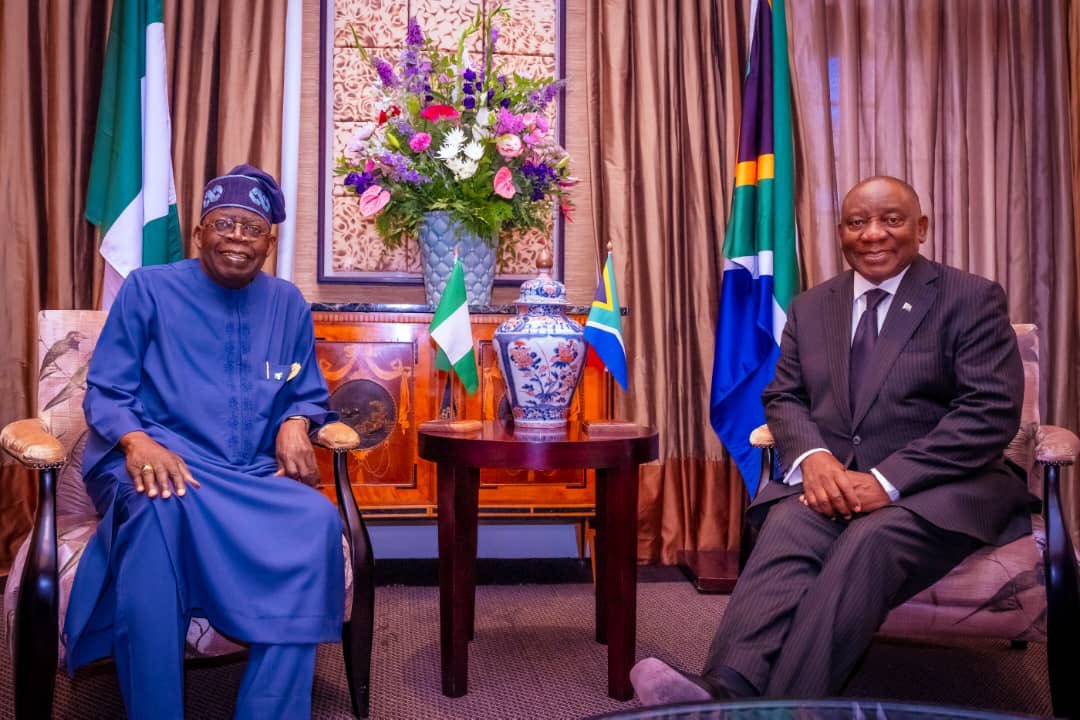
By PRETORIA / ABUJA — The vision of a unified, borderless Africa is colliding head-on with a familiar, bitter reality. Tens of thousands of kilometers away from the lofty corridors of the African Union, the economic engine rooms of Sub-Saharan Africa—Nigeria and South Africa—are locked in another severe diplomatic standoff.
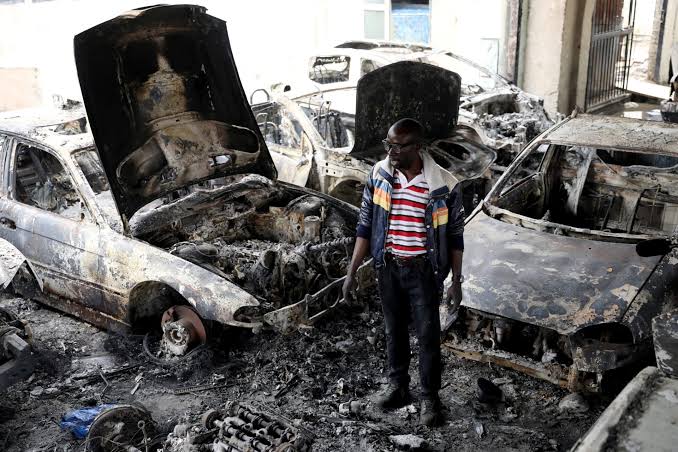
At the heart of the latest rift is the persistent flare-up of xenophobic attacks in South African townships, where foreign nationals, particularly Nigerians, have once again found themselves targeted by organized vigilante movements and socio-economic anger.

The Anatomy of a Broken Promise
To understand the depth of the current friction, one must trace the historical irony that defines the two giants.
During the anti-apartheid struggle, Nigeria was a recognized “Frontline State” in spirit, funneling hundreds of millions of dollars, issuing passport documentation, and offering sanctuary to African National Congress (ANC) leaders in exile. The shared goal was simple: total liberation and pan-African unity.
Decades later, that fraternity has frayed into an uneasy economic rivalry marked by deep-seated resentment:
Socio-Economic Friction: Facing crippling youth unemployment, extreme inequality, and failing local infrastructure, grassroots movements in South Africa often scapegoat African immigrants, accusing them of commandeering informal markets and fueling local crime syndicates.
The Asymmetric Market: South African corporate giants like MTN, Shoprite, and Multichoice built lucrative empires in Nigeria’s massive consumer market. Conversely, Nigerian entrepreneurs in South Africa frequently report systemic harassment, severe visa restrictions, and institutional hostility.
The recurring diplomatic friction creates a high-stakes dilemma for South African multinationals operating in Africa’s largest consumer market. Businesses such as MTN Group and MultiChoice (DStv/GOtv) find themselves trapped between nationalist outrage in their home market and retaliatory backlash in their most lucrative expansion territories.
The “Cutting Off the Nose” Economic Paradox
A complete boycott or shutdown of South African businesses in Nigeria ultimately imposes a “double-edged sword” effect on both economies:
| Impact Area | Consequences for South Africa | Repercussions for Nigeria |
| Corporate Revenue | Loss of key growth markets; lower dividend yields for JSE investors. | Reduced corporate income tax and regulatory license fees paid to Abuja. |
| Employment | Reduced foreign earnings hurting parent company headquarters. | Widespread job losses among Nigerian employees managing local operations. |
| Supply Chain | Weakened Pan-African expansion strategy. | Disruption to local vendors, contractors, and advertising agencies reliant on MTN/MultiChoice. |
Evacuations, Ulting Ultimatums, and Diplomatic Strain
As rhetoric from local vigilante groups escalated, the diplomatic fallout intensified rapidly. Nigeria launched airlifts to repatriate over a thousand of its citizens, citing an immediate threat to life and a lack of protective intervention by local law enforcement.
The Nigerian Ministry of Foreign Affairs shifted its strategy, bypassing mere bilateral talks to table the issue directly before the African Union.
| Issue Area | Nigeria’s Position | South Africa’s Stance |
| Xenophobic Violence | Characterized as systemic Afrophobia requiring AU intervention. | Framed as isolated criminal activity, not state-sanctioned acts. |
| Early Warning Systems | Demands operational joint security mechanisms. | Pledges prosecution of illegal vigilante behavior through local courts. |
| Economic Compensation | Compiling official loss claims for targeted businesses. | Emphasizes national sovereignty in law enforcement and migration control. |
The Pan-African Dream on Trial
The real victim of this persistent rift is the future of the African Continental Free Trade Area (AfCFTA). As the two largest economies on the continent, Nigeria and South Africa serve as the dual pillars of regional integration. If their citizens cannot reside, trade, and work safely within each other’s borders, the continent’s vision of an integrated economic block risks falling apart.
While recent high-level diplomatic talks have temporarily calmed the rhetoric, fundamental trust remains low. Until both governments address the core drivers—economic stress in South African townships and structural pressures driving outward migration from West Africa—the cycle of violence, evacuations, and diplomatic friction will continue to cast a shadow over pan-African unity.