
 By
By Across the African continent, a quiet structural revolution is reshaping the contours of regional economics. For decades, global observers have viewed African growth through a single, reductive lens: raw commodity cycles. When oil, copper, and gold surged, African GDP followed; when markets cooled, fiscal crises inevitably ensued. Today, however, a fundamentally different trajectory is taking root. Amid severe global geopolitical friction, persistent high interest rates in developed markets, and supply chain realignments, the continent’s macro-narrative is shifting from passive vulnerability to deliberate structural resilience.
At the center of this transformation is a marked pivot away from raw extraction toward domestic value addition and regional integration. Real GDP growth across Africa is stabilizing above four percent—outpacing the global average and placing over a dozen African nations among the world’s twenty fastest-growing economies. Yet, the true story lies beneath the headline figures. The momentum is no longer concentrated solely in oil-rich states; rather, it is driven by non-resource-intensive economies, rapid digital adoption, aggressive infrastructural investments, and a coordinated push to operationalize the African Continental Free Trade Area (AfCFTA).

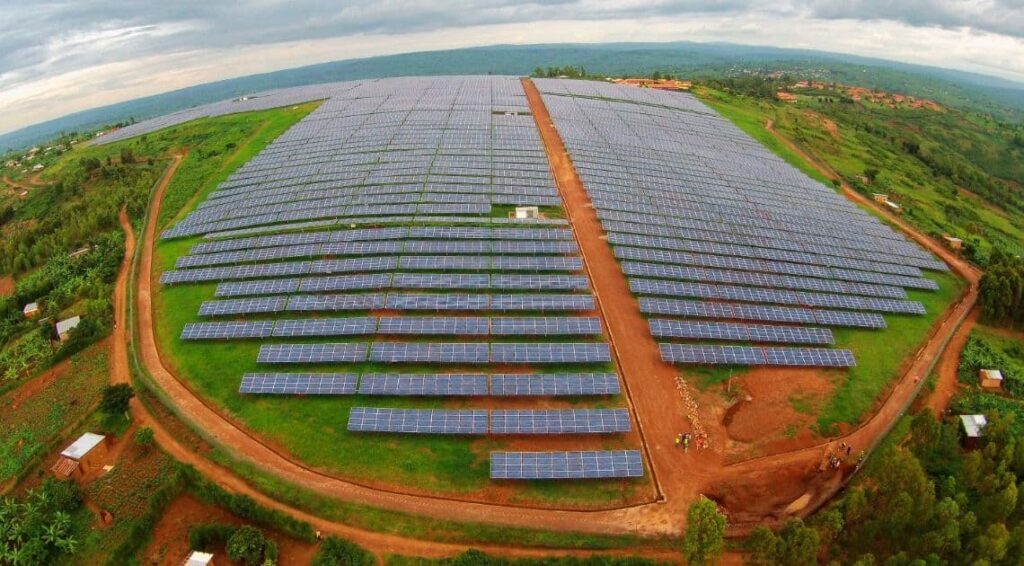
East Africa continues to serve as the engine of non-extractive expansion. Economies like Kenya, Rwanda, and Uganda are leveraging diversified service sectors, expanding digital financial architecture, and aggressive renewable energy deployments. In East Africa, technology is no longer an isolated industry; it has become the underlying substrate for agriculture, logistics, and retail. Mobile money systems have leapfrogged traditional banking infrastructure, granting millions access to credit, insurance, and cross-border trade facilities. This financial inclusion has unlocked dormant micro-entrepreneurial capacity, providing a steady buffer against external shocks.
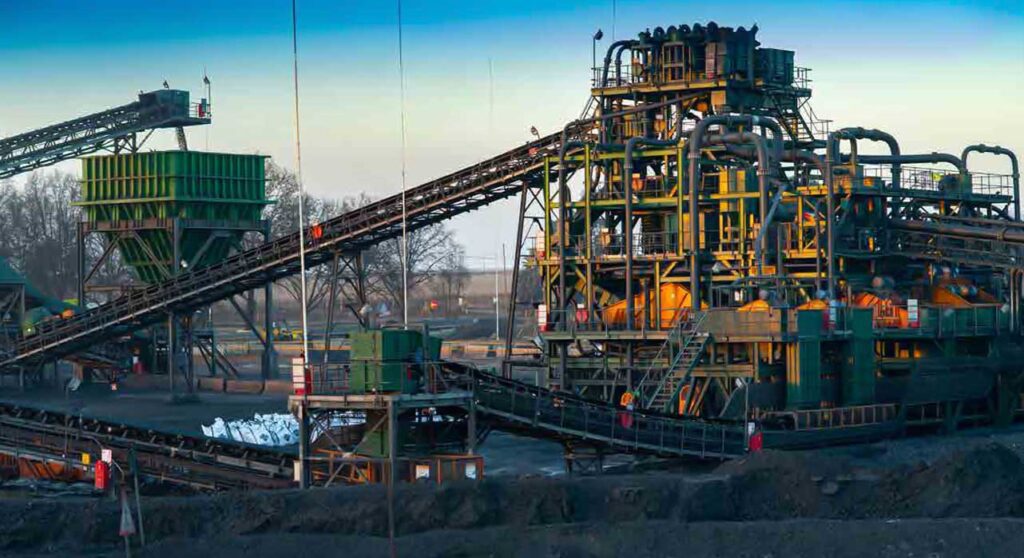
Concurrently, a strategic policy shift regarding critical minerals is altering Africa’s role in global supply chains. Recognizing their indispensable position in the global energy transition—holding vast reserves of cobalt, lithium, manganese, and platinum—African governments are increasingly rejecting traditional arrangements that export raw ore for pennies on the dollar. Mandates requiring local processing and refining before export are gaining traction from Central to Southern Africa. By forcing multinational mining conglomerates to build local processing capacity, states are capturing higher margins, generating high-skilled domestic employment, and establishing local industrial ecosystems.
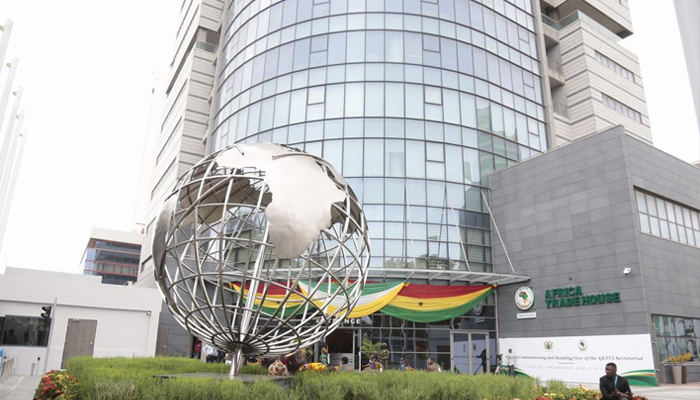
This domestic industrial push is reinforced by the institutional maturation of the AfCFTA. Intra-African trade historically languished below fifteen percent of total commerce due to severe tariff bottlenecks, fragmented regulatory frameworks, and poor cross-border transport infrastructure. While logistical hurdles remain, reduced tariffs and unified customs protocols are slowly changing commercial behavior. Manufacturing hubs in West and North Africa are increasingly looking to neighboring markets rather than distant Western or Asian buyers. Cross-border payments are similarly undergoing a quiet revolution: pan-African payment and settlement systems are allowing commercial banks to clear transactions in local currencies, bypassing the costly necessity of converting through the US dollar or euro.
However, the continent’s economic renaissance faces severe headwinds. The most formidable obstacle is a daunting debt-service burden. A decade of cheap global liquidity led many African sovereign entities to issue Eurobonds, only to be caught in a debt-trap when global central banks aggressively raised interest rates to combat post-pandemic inflation. High borrowing costs have severely curtailed fiscal maneuverability, forcing governments to allocate significant portions of tax revenues toward debt servicing rather than vital education, healthcare, and infrastructure. Furthermore, severe climate-driven weather anomalies—ranging from devastating droughts in the Horn of Africa to intense flooding in West Africa—continue to threaten agricultural yields and exacerbate food security challenges.
To navigate these structural traps, a new generation of technocratic policymakers across the continent is prioritizing domestic resource mobilization. Tax administration digitized through AI platforms, capital market integrations, and expanded public-private partnership (PPP) frameworks are gradually replacing an over-reliance on traditional foreign aid and foreign-denominated debt. Pan-African financial institutions are stepping in with targeted guarantees and local-currency financing mechanisms to insulate infrastructure projects from currency volatility.
The economic landscape of Africa is undergoing an unmistakable paradigm shift. The journey toward sustained prosperity remains uneven, fraught with geopolitical exposure and fiscal constraints. Yet, the fundamental drivers of growth have irreversibly changed. Driven by favorable demographics, rapid urbanization, digital integration, and an assertive policy posture on resource sovereignty, Africa is actively rewriting its economic fate—transitioning from a passive supplier of raw materials to an indispensable, self-determining node in the global economy.