

 By
By 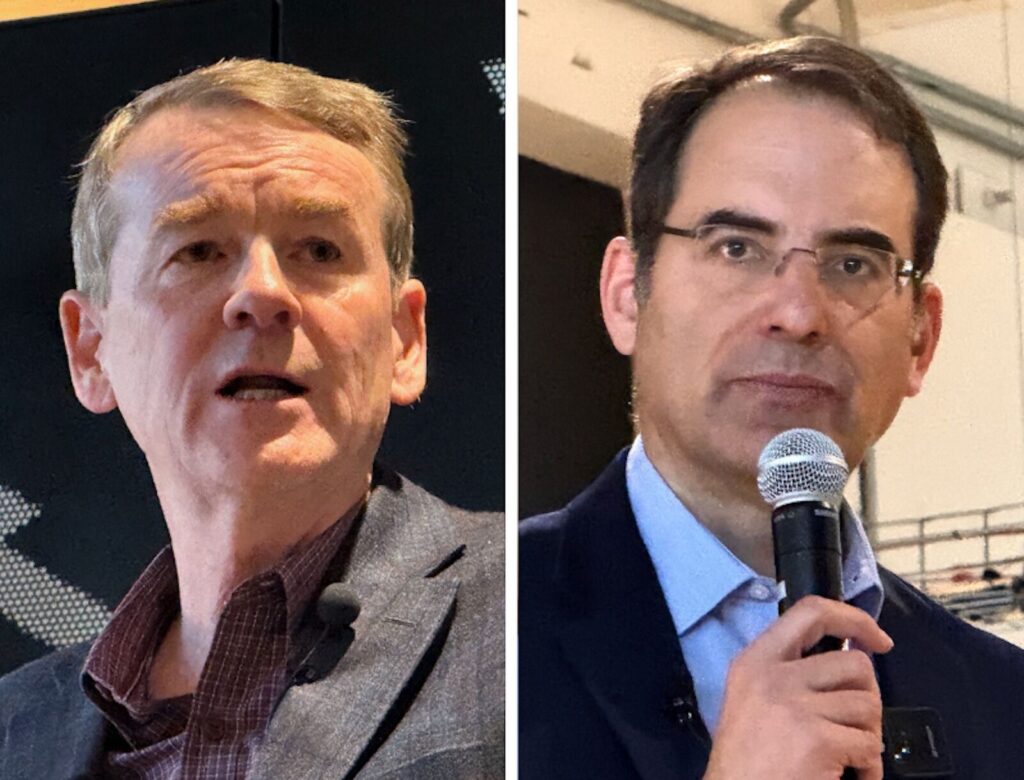
In a spirited and policy‑heavy hosted by Denver7, The Denver Post and CPR on May 7, 2026, Colorado’s two Democratic gubernatorial contenders, Attorney General Phil Weiser and US Senator Michael Bennet, offered voters a clear look at their governing philosophies, their records, and their visions for a state navigating affordability pressures, climate threats, and ongoing tensions with federal authorities. The debate blended pointed exchanges with substantive policy discussion, punctuated by questions from Colorado residents across the Front Range and southern counties.
A Debate Framed by the Trump Era and Colorado’s Response
From the outset, both candidates were pressed on how they would protect Colorado from federal overreach under the Trump administration. The conversation revisited past legal battles over immigration enforcement, federal agents deployed to cities, and lawsuits targeting Colorado’s firearm and public‑safety laws.
Weiser leaned heavily on his record as Attorney General, citing lawsuits he brought against federal actions he argued threatened civil rights, reproductive access, and state autonomy. Bennet countered by highlighting his federal experience and his willingness to challenge Trump‑era policies if elected as the governor, while also distancing himself from some past confirmation votes that Weiser repeatedly invoked.
The exchange underscored a central tension of the night: Weiser framed himself as the candidate with hands-on executive experience defending Colorado in court, while Bennet positioned himself as the candidate ready to restructure systems and confront federal power with broader political leverage.
Law Enforcement, Surveillance, and Community Trust
One of the most substantive segments focused on public safety, particularly the use of Flock cameras, license‑plate databases, and other surveillance tools increasingly adopted by Colorado municipalities. Both candidates agreed that technology can support public safety, but only if paired with strict guardrails, transparency, and community trust. They emphasized the need for clear limits on data retention, strong oversight of who can access surveillance information and security protocols to prevent misuse. The conversation reflected growing statewide concern about balancing safety with civil liberties, especially in communities historically over‑policed or under‑protected.
On firearms, both candidates reaffirmed support for Colorado’s existing gun‑safety framework, including background checks and red‑flag laws, and criticized federal lawsuits seeking to weaken state authority. They framed gun violence as a public‑health issue, not a partisan one.
Affordability, Housing, and the Economic Squeeze
Affordability dominated the viewer’s questions. Residents pressed the candidates on housing costs, rent stabilization, and the economic pressures facing working families. Weiser emphasized consumer protections, job retention, and targeted economic development. Bennet spoke about structural reforms, including potential local flexibility on rent stabilization — though he stopped short of endorsing a specific model. Both acknowledged that Colorado’s affordability crisis requires a mix of housing supply expansion, regulatory modernization, and stronger wage pathways.
On Medicaid and health‑care costs, the candidates discussed the state’s budget pressures and the need for administrative reforms, though neither offered detailed timelines.
Energy, Wildfires, and Water: Colorado’s Defining Challenges
A 15‑minute segment on climate and natural resources produced some of the night’s sharpest contrasts. With wildfire seasons intensifying and insurance premiums rising, both candidates outlined different strategies: Weiser highlighted legal and regulatory tools, emphasizing enforcement, conservation, and infrastructure investments. Bennet proposed a Colorado Corps for forest management and floated an economy‑wide emissions cap, arguing that the state must move faster and more boldly.
On water, a perennial concern for rural and urban communities alike, both candidates rejected mandatory federal cuts to Colorado River allocations. They instead emphasized reuse, conservation, and legal protections to prevent water transfers that hollow out agricultural towns. Callers from southern Colorado pressed the candidates on Front Range dependence on rural water; both pledged to safeguard rural economies while planning for population growth.
Experience vs. Reinvention: The Night’s Central Theme
Throughout the debate, the contrast was unmistakable. Weiser repeatedly pointed to his statewide executive experience, legal victories, and detailed policy plans. Bennet, on the other hand, leaned on his private‑sector background, federal experience, and willingness to pursue structural change at the state level. Both candidates delivered polished closing statements centered on protecting Colorado from federal overreach, strengthening affordability, and ensuring future generations can thrive.
Where the Debate Succeeded and Where It Fell Short
The debate was notably substantive, with both candidates referencing specific laws, tools, and policy mechanisms. Strengths included:
- Clear articulation of public‑safety goals
- Concrete examples from past leadership roles
- Direct engagement with resident questions
However, opportunities for improvement were evident:
- Several exchanges devolved into personal jabs over past federal confirmations
- Neither candidate offered time‑bound commitments on major issues like rent stabilization or emissions targets
- Oversight mechanisms for surveillance tools remained vague
Final Takeaway
Denver7’s debate gave voters a meaningful look at two experienced leaders with distinct approaches to governing a rapidly changing state. While no definitive commitments were made, the conversation illuminated the stakes of Colorado’s 2026 gubernatorial race: how to balance safety with civil liberties, growth with affordability, and state autonomy with federal pressure.