 By
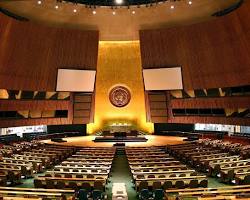
By Inside the cavernous, green-marbled expanse of the United Nations General Assembly hall, the ghosts of 1945 still linger. The chandeliers hum with the weight of an era long gone, casting light on a global architecture built by the victors of a mid-20th-century world war. But this week, as world leaders gathered for the 81st high-level session, the loudest voice in the room belonged to a continent that was largely unrepresented when those foundational stones were laid.
For decades, Africa’s demand for a permanent seat on the UN Security Council was treated as a polite diplomatic aspiration—a talking point relegated to the margins of committee rooms. Today, that plea has evolved into an urgent, unyielding roar.
With 1.4 billion people, 54 member states, and a massive stake in the crises that dominate the Council’s agenda—from Sudan to the Democratic Republic of Congo—Africa is no longer asking for a seat at the table. It is demanding recognition of a reality that the world can no longer afford to ignore.
An “Unjust and Indefensible” Legacy
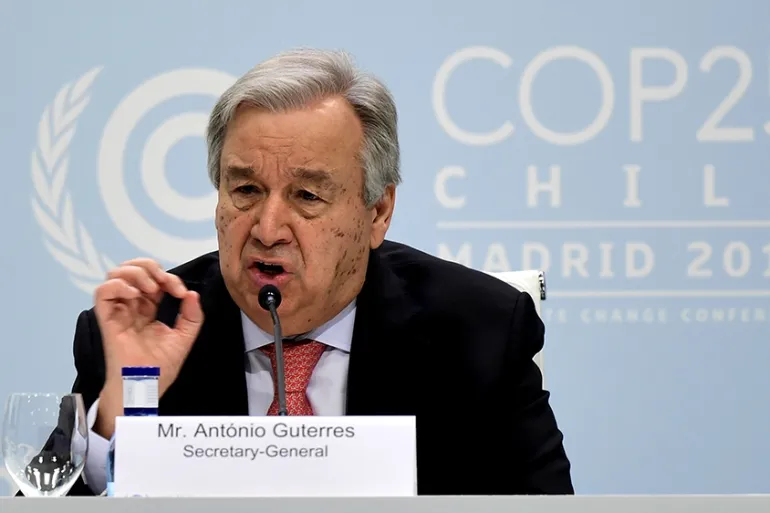
The momentum reached a fever pitch when outgoing UN Secretary-General António Guterres delivered his final General Assembly opening address. In unusually blunt terms, Guterres called the Council’s current configuration a relic of the past.
“When the UN was founded, most of Africa was still under colonial rule,” Guterres told the hushed assembly, drawing sustained applause. “Today, Africa still has no permanent representation on the Council. A 21st-century Security Council without permanent African representation is unjust and indefensible. This must change.”
The historical irony is stark. While over 70 percent of the Security Council’s binding resolutions and peacekeeping mandates deal with conflicts on the African continent, African nations hold zero permanent veto-wielding seats. They cycle through temporary, two-year non-permanent seats—the so-called “A3” bloc—forced to lobby major global powers for influence over crises happening in their own backyards.
“It is a profound contradiction,” says Dr. Amina Bello, a geopolitical analyst tracking the summit. “The house is burning in Africa, yet the people most familiar with the architecture are locked out of the room where the firehose is controlled.”
The Human Face of Multilateral Exclusion
Behind the diplomatic jargon and procedural debates lie profound human consequences. When global security decisions are made without permanent African voices at the helm, structural blind spots emerge.
Consider the modern map of conflict and climate displacement. From the Sahel to the Horn of Africa, millions are caught in complex webs of food insecurity, insurgencies fueled by illicit arms trafficking, and extreme climate shocks. When the Security Council debates these issues without permanent African leadership, responses are frequently reactive, paternalistic, and short-lived.
The Common African Position—enshrined in the Ezulwini Consensus—insists on at least two permanent seats with full veto powers, alongside additional non-permanent slots. African leaders argue that this is not about prestige; it is about efficacy. A security council paralyzed by geopolitical rivalry among its current permanent members (China, France, Russia, the UK, and the US) desperately needs the fresh perspective, mediation traditions, and democratic legitimacy that African nations can bring.
A Renewed Diplomatic Offensive
This week in New York, African delegations have launched a coordinated diplomatic blitz. Nigerian Vice-President Kashim Shettima, representing President Bola Tinubu’s administration, took center stage to underscore that multilateral institutions must evolve to reflect contemporary geopolitical truths.
“Reform should ensure that international institutions translate policies and resources into measurable improvements for countries and their citizens,” Nigerian officials noted ahead of the high-level debate. Alongside leaders from South Africa, Kenya, and Ghana, the African bloc is pressing home the argument that global financial architecture and security governance must be overhauled simultaneously.
Yet, resistance remains stiff. Expanding permanent membership means diluting the exclusive power held by the current “P5” nations. Negotiations have historically bogged down over questions of who would actually fill those seats—competition among regional powerhouses has occasionally provided an excuse for Western and Asian veto-holders to drag their feet.
The Clock is Ticking for Global Governance
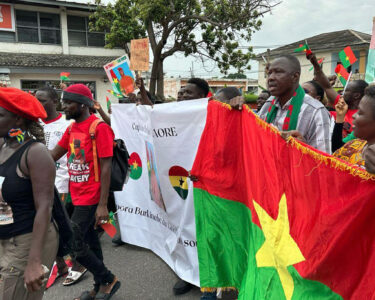
As the high-level week rolls forward, the atmosphere outside the UN headquarters contrasts sharply with the solemn debates inside. Multilingual protesters, youth activists, and diaspora communities have gathered near Dag Hammarskjöld Plaza, waving banners that read: Fair Representation Now and Africa Shapes the Future.
The message from the streets mirrors the message from the podium: the world has entered an irreversible multipolar era. Power is no longer concentrated in a few Western capitals. New economic and demographic powerhouses are rising, and the youth of Africa—representing the youngest population on earth—are watching to see if global institutions can adapt or become entirely obsolete.
As the sun sets over the East River, glinting off the glass tower of the UN Secretariat, the core question of this General Assembly remains suspended in the air. Can a system born out of the ashes of 1945 summon the courage to rewrite its own rules for 2026 and beyond? For Africa’s leaders and its billions of citizens, the answer will determine whether the United Nations remains a house for all nations, or merely a monument to an age long past.