 By
By Every October, as the autumn winds sweep across the high plains of the continent and the humid rains recede in the tropical belt, a profound observance takes hold across Africa. October is marked as Africa Human Rights Month—anchored globally and regionally by Africa Human Rights Day on the 21st, commemorating the entry into force of the foundational African Charter on Human and Peoples’ Rights.
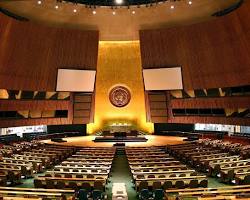
In conference halls in Addis Ababa, legal clinics in Nairobi, grassroots community meetings in Dakar, and digital spaces buzzing with young activists, the month is framed as a time for high-level reflections, policy declarations, and institutional assessments. Yet, if you step away from the polished mahogany tables of diplomatic summits and walk into the bustling neighborhoods where real life happens, human rights cease to be mere legal jargon printed in dense international treaties.
In the everyday pulse of the continent, human rights are deeply human. They are about whether a child has clean water to drink, whether a young journalist can report the truth without looking over their shoulder, whether a marginalized community can protect its ancestral land from corporate stripping, and whether the inherent dignity of every African is respected from birth.
The Living Document: From Paper to Pavements
The African Charter on Human and Peoples’ Rights, adopted back in 1981 and enforced in 1986, was a historic departure from Western-centric human rights frameworks. Unlike instruments drafted purely through an individualistic lens, the African Charter boldly wove together civil and political liberties with economic, social, and cultural rights—and importantly, peoples’ and collective rights. It recognized that an individual cannot thrive if their community, environment, or family structure is under siege.
Yet, bridging the canyon between the lofty promises written in legal articles and the lived realities of ordinary citizens remains the continent’s most enduring test.
Across many regions, economic exclusion, systemic corruption, and political volatility continue to threaten basic freedoms. When inflation spikes and basic food baskets become unaffordable, the right to life and health is directly compromised. When climate change displaces farming communities in the Sahel or swallows coastal settlements in West Africa, collective environmental rights become a matter of immediate survival rather than academic debate.
This is why Africa Human Rights Month is so vital. It serves as an annual audit—not just for governments, but for civil society—to ask a hard, unvarnished question: Who is still being left behind?
The Frontline Heroes: Voices That Refuse to Be Silenced
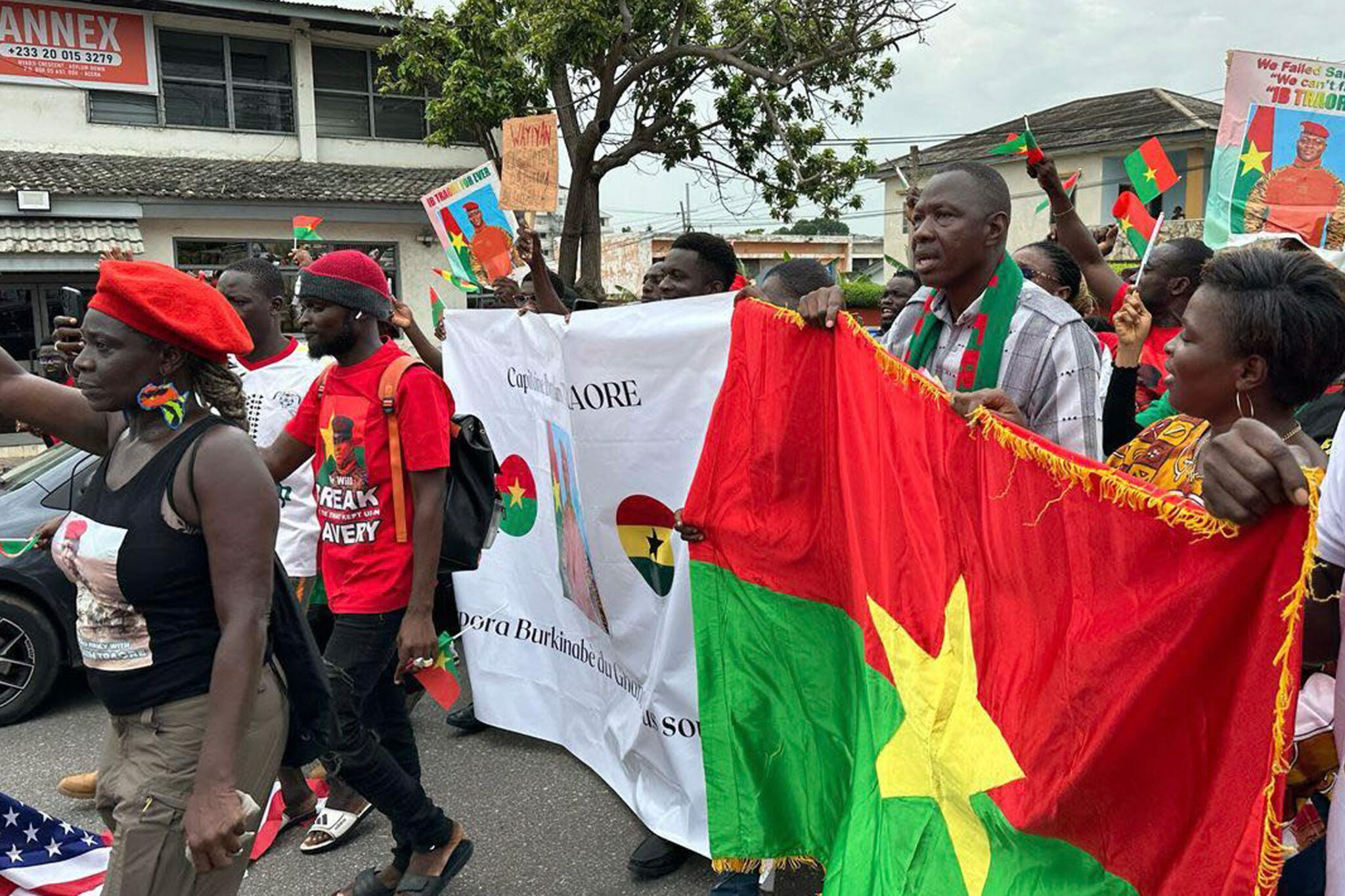
The true beating heart of human rights in Africa is not found in government ministries; it is found in the relentless courage of everyday citizens who refuse to look away in the face of injustice.
- The Grassroots Legal Defenders: In urban slums and rural outposts, local paralegals and human rights lawyers work tirelessly, often pro bono, to secure the release of arbitrarily detained youths, defend women against gender-based violence, and fight unlawful land evictions.
- The Environmental Guardians: Across the Niger Delta, East African wildlife corridors, and southern mining belts, local communities stand up against corporate plunder, asserting their indigenous rights to clean air, uncontaminated soil, and sustainable futures.
- The Digital Activists: A new generation of tech-savvy youth uses smartphones, social media, and open-source data to document abuses, monitor elections, and demand institutional accountability in real-time, completely bypassing state-controlled media monopolies.
These individuals embody the true spirit of the African Charter. They do not wait for permission to be free; they build sanctuaries of justice in their communities, brick by brick, protest by protest, case by case.
Redefining Progress in a Changing World
As Africa navigates the complex realities of the mid-2020s, the landscape of human rights is shifting. Traditional battles for political freedom now overlap with modern frontiers:
- Digital Rights and Freedom of Expression: As governments increasingly resort to internet shutdowns, social media censorship, and restrictive cybercrime laws to muzzle dissent, digital rights have become the new front line of civil liberty. Access to the internet is no longer a luxury; it is a fundamental pillar of free speech and economic participation.
- Climate Justice and Intergenerational Rights: The continent contributes the least to global carbon emissions yet bears the heaviest brunt of climate catastrophes. Human rights advocates are increasingly framing climate change not merely as an environmental crisis, but as a profound human rights violation that threatens the survival of future generations.
- Inclusive Governance: True democracy requires more than holding periodic ballots; it demands the full inclusion of women, youth, persons with disabilities, and marginalized minority groups in decision-making spaces.
Epilogue: A Continent’s Unyielding Promise
Africa Human Rights Month is ultimately an exercise in defiant hope. It acknowledges the scars of history, the persistence of contemporary struggles, and the heavy burdens carried by millions across the continent. Yet, it also celebrates an indomitable spirit—the refusal of the African people to surrender their right to dignity, equality, and self-determination.
The true measure of the African Charter will not be found in the number of times it is cited by international courts, but in the everyday life of the market trader, the student, the farmer, and the child who can walk through their community safe, valued, and free. That is the promise of October, and the ongoing mission of a continent marching toward its true potential.