
 By
By A peak at one of Ethiopia’s UNESCO World Heritage site.
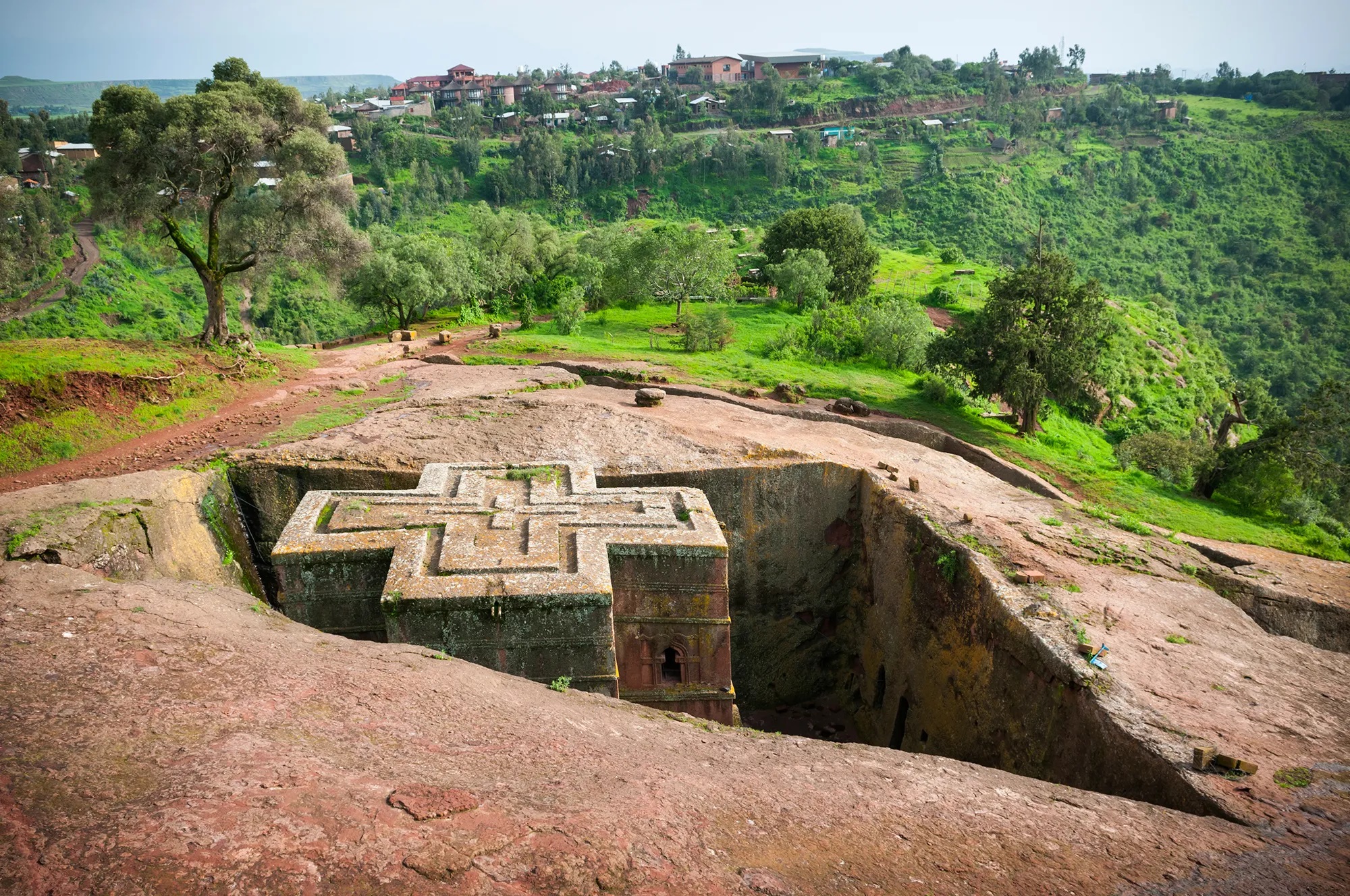
High in the rugged mountains of Ethiopia’s Amhara region, roughly 2,500 meters above sea level, lies an architectural feat that defies traditional construction. In the 12th century, King Gebre Meskel Lalibela set out to build a “New Jerusalem” after Muslim conquests made Christian pilgrimages to the Holy Land increasingly hazardous.
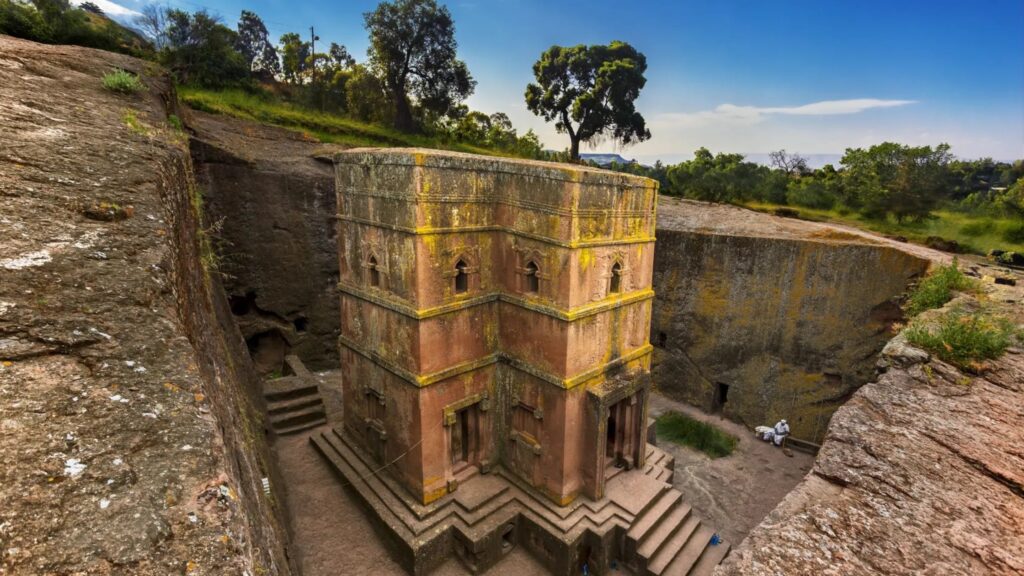
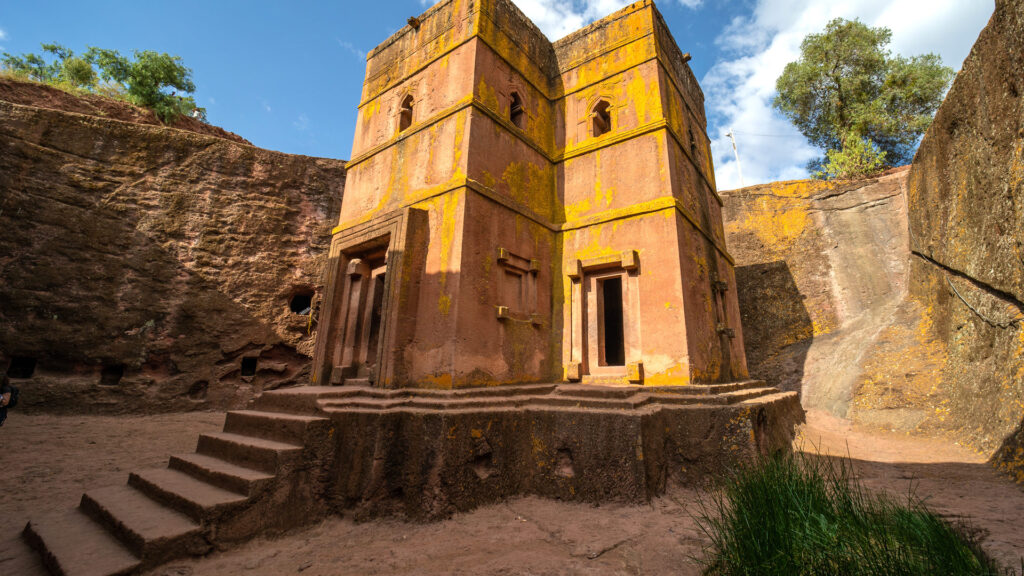
Instead of building upwards with stone and mortar, workers carved 11 monolithic and semi-monolithic sanctuaries straight down into the red volcanic rock, excavating complex trench systems and subterranean passageways to connect them.
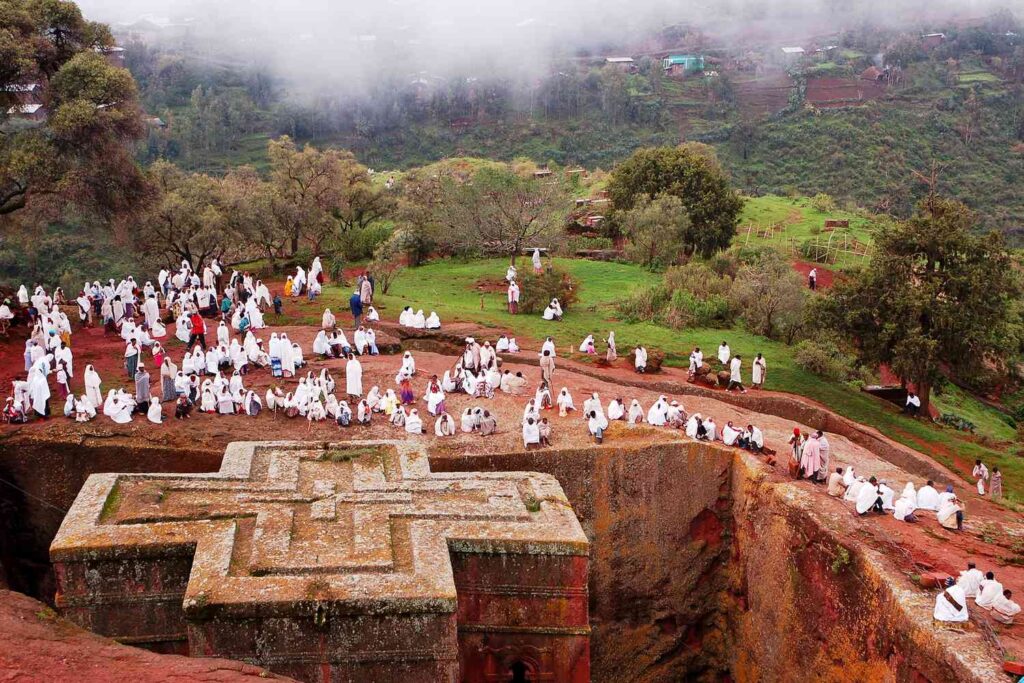
Designated a UNESCO World Heritage Site in 1978 during the committee’s second session, Lalibela stands out globally because it never became a static museum. It remains an active spiritual hub for the Ethiopian Orthodox Tewahedo Church. During major religious celebrations such as Genna (Christmas) and Timkat (Epiphany), over 100,000 white-robed pilgrims travel on foot across the highlands to assemble in its sunken courtyards.
Preserving structures cut into soft, porous volcanic tuff creates significant preservation challenges. Centuries of rainfall, seismic shifting, and foot traffic have led to surface flaking and structural micro-cracks. International bodies such as UNESCO and the World Monuments Fund work closely with local clergy and the Ethiopian Heritage Authority to implement lime-based structural repairs, improve site drainage, and devise long-term alternatives to temporary protective shelters.
Inside these subterranean sanctuaries, priests continue to read from century-old illuminated Ge’ez manuscripts by candlelight, ensuring that Lalibela remains as vibrant today as when it was first carved eight centuries ago.