
 By
By 
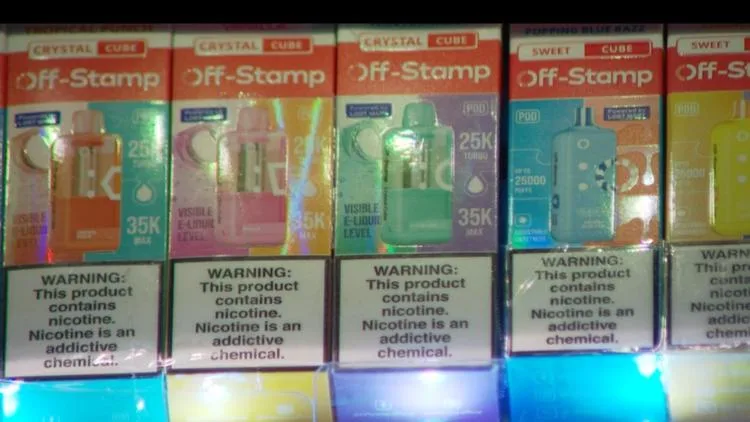
Aurora City Council members cast a final vote recently creating a retail license that limits and imposes certain restrictions on businesses that sell tobacco and other age-restricted psychoactive products.
The intent of the license is to prevent youth access to such products by requiring local licensure and compliance checks, according to council documents.
It does not ban flavors and existing businesses will be grandfathered from distance restrictions, according to council documents.
Councilmembers unanimously approved the license in a late February council meeting, and officially passed it into law in a final unanimous vote.
Under the new ordinance, the city said it will also conduct two compliance checks each year, and that requirements will be put in place involving, among other things, distance between retailers and the age of employees. Existing businesses will be exempt from the distance requirements, according to the city.
“The goal (of the ordinance) is to steer teens away from tobacco addiction and discourage any business from facilitating that addiction. I am proud to sponsor an ordinance that makes this effort a priority across our city,” said Stephanie Hancock, an Aurora City Council member and co-sponsor of the ordinance, in a statement.
All retailers in the city will be required to apply for the new license, which will cost $500 and require annual renewal, according to the city.
The city said any new businesses seeking the licensure must be:
- 1,500 feet from schools
- 500 feet between any existing tobacoo retailer
- 2,000 feet between vape stores
- 2 miles between hookah lounges
The city also released the penalty structure for retailers who fail a compliance check. These penalties, according to the city, include:
- A $1,000 fine for a first violation
- A $2,000 fine and license suspension of 7 days for a second violation within 36 months
- A $2,650 fine and license suspension of 21 days or license revocation for a third violation within 36 months
- A permanent license revocation for a fourth violation within 36 months
The penalties will be enforced by the by the licensing authority, according to the city, which said additional information, including retailer guidance, applications and compliance periods will be released “in the months to come.”