


 By
By The U.S. government through the federal Food and Drug Administration has granted Colorado approval to begin importing some prescription drugs from Canada, where they’re often cheaper. The governor’s office announced the authorization.
“This is a really critical step. This has been a long time in the making,” said an enthusiastic Gov. Jared Polis in a release to the press, noting it could save Coloradans tens of millions of dollars.
He said the state had amended its application based on objections from the FDA during both the Biden and the Trump administrations, and was finally able to win approval.
The agency, Polis said, found that “‘yes, it’s safe, it’s effective. We agree with your cost saving estimates, and we can begin the real work of setting up the supply chains and bringing in lower cost prescription drugs for these 20 prescription drugs.’”
“We all are sick and tired of being completely ripped off and paying twice as much, three times as much for the exact same prescription drug being sold in England or Canada. So that’s outrageous,” said the governor, a Democrat who is serving the last year of his second term.
He noted the approval won’t change drug prices for Colorado customers overnight.
“This doesn’t fix that. It’s a bandaid. I think it’ll provide some cost savings, but we need to continue the pressure nationally to push back against the pharmaceutical industry and save money on prescription drugs.”
The list includes drugs for diabetes, HIV, prostate cancer, Leukemia, cystic fibrosis, and inflammatory conditions, among other things. Of the 20 drugs, some are the same medication — just a different dosage.
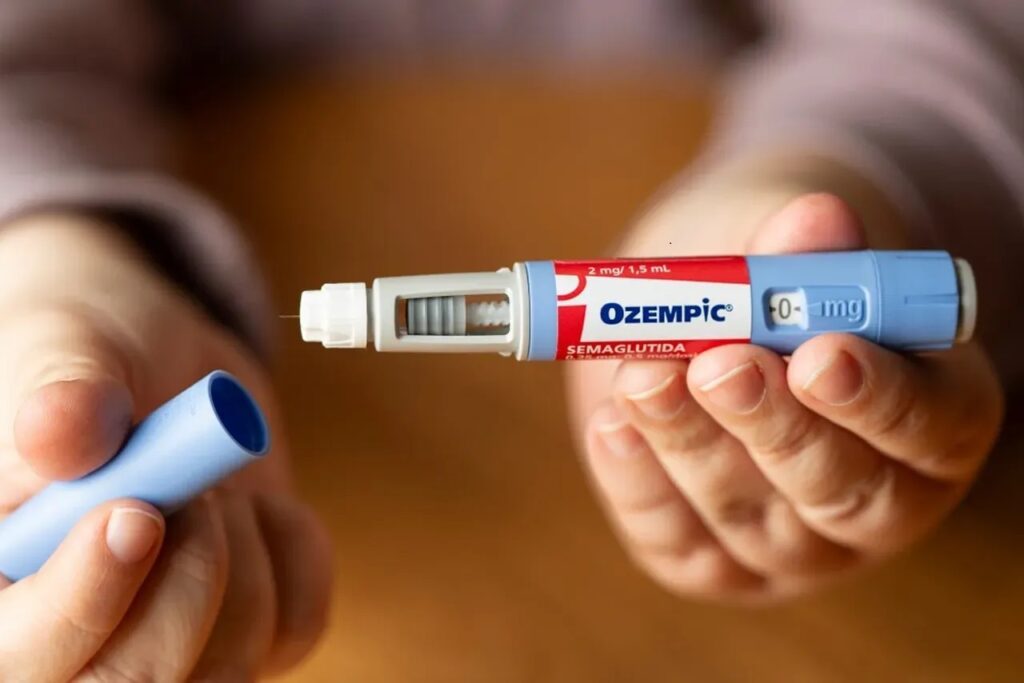
Among the drugs on the list are some often seen in TV ads, like Eliquis, a blood thinner that lowers the risk of stroke; blood sugar medication Ozempic, which some people use off-label for weight loss; and Rinvoq, which is used to treat chronic inflammation.
Importing those drugs from Canada should make them anywhere from 20% to 70% cheaper than they are right now, according to the governor’s office. Altogether, the state estimates the program will save Coloradans around 46 million dollars over the next three years.
But Polis acknowledged that’s a “best case” scenario.
“This is approval that allows us to bring in these 20 drugs. But if Canada doesn’t have enough, they’re not going to sell them,” he said. “At times, they might. We anticipate we’ll be able to set up a successful importation on some of these and certain quantities to save people money, but it’s unlikely it will be all of them immediately. And in fact, we have a lot of work to do.”
The change has been one of the governor’s top priorities. Colorado is the second U.S. state to win this kind of approval, after Florida, according to the health news outlet Stat.
Polis has insisted the move is not part of any broader deal with the administration, which is known for prioritizing transactional decisions that it sees as benefiting both sides.
“No, I mean it’s really a matter of reacting to the objections that were raised by the Food Drug Administration under both Biden and Trump,” the governor said, noting FDA leadership under both had been supportive of the change.
“It was just a question of how we could satisfy their requirements,” said Polis.
“And we’ve done that by demonstrating we can safely test the drugs here in Colorado. That’s part of the procedure. It’s paid for out of the savings on the drugs,” he said.
In 2019, Colorado lawmakers passed a bill directing the state’s Department of Health Care Policy & Financing (HCPF) to develop a program to import some prescription drugs from Canada.
The FDA does allow drugs to be imported from the U.S.’s northern neighbor by a pharmacist or wholesaler, as long as the drugs meet certain minimum standards, pose no added risk to the public health and safety, and result “in a significant reduction in costs to consumers” according to a HCPF website.
But Colorado has clearly been frustrated by the pace of winning federal approval.
In 2023, Colorado blamed the Biden administration and drug manufacturers for delaying Canadian imports.
A report that year, prepared by HCPF for state lawmakers, said Colorado had approached 23 drugmakers that year about an importation program. Just four were willing to discuss the proposal, with none saying that they wanted to take part.
“Generally, the challenges that remain are outside state authority and rely on action by FDA and/or drug manufacturers,” the report said.
But the FDA had changed its outlook and 10 manufacturers have agreed to get on board, the governor said.
A spokesman for the FDA confirmed the drug importation approval.
“Today, the FDA authorized Colorado to import certain drugs from Canada, marking the second state after Florida to receive this authorization. We will continue to work with states and Indian tribes seeking to develop” importation programs, he wrote in an email.
In a press release, the governor’s office said the change has the potential to save Coloradans $46 million over three years “through lower insurance premiums and out-of-pocket expenses.” That’s based on the drugs provided through the state’s application.
“The state is able to work with all willing manufacturers on more than just these drugs to bring savings to Coloradans,” the release stated.
Polis says these drugs could be available in the state as soon as next year.