
 By
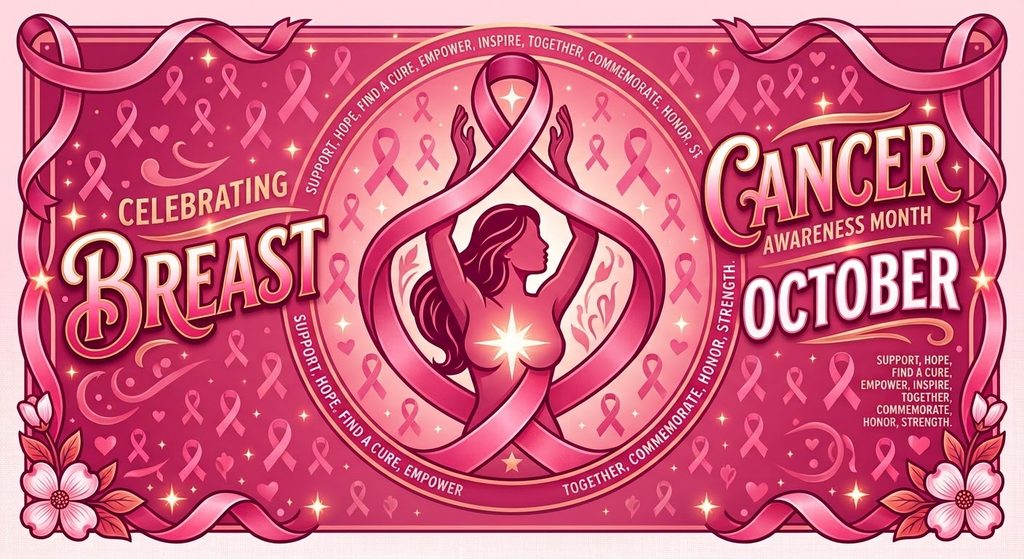
By Every October, the world transforms into a sea of cheerful pink. Storefronts don pastel banners, corporate logos add delicate ribbons to their displays, and communities unite under the banner of Breast Cancer Awareness Month. It is a season designed to celebrate hope, promote early detection, and honor those walking the grueling path of treatment.
Yet, for Black women navigating a breast cancer diagnosis, the standard glossy campaign often feels incomplete. Behind the reassuring slogans lies a stark, sobering reality: according to the American Cancer Society, Black women face a breast cancer mortality rate roughly 40% higher than white women. They are also diagnosed at younger ages and experience higher rates of aggressive subtypes, such as triple-negative breast cancer.
Far from the coasts, tucked against the majestic backdrop of the Rocky Mountains, a powerful counter-narrative is taking root. In Colorado, Black breast cancer survivors and advocates are stepping out of the shadows of medical disparity, forging spaces of radical healing, and demanding a healthcare system that sees, hears, and values them.
The Weight Beneath the Ribbon
To understand why localized advocacy is so vital in states like Colorado, one must confront the systemic inequities baked into American oncology. While overall incidence rates for breast cancer are slightly lower among Black women compared to white women, the disparity in survival outcomes is a glaring public health crisis.
Medical racism, implicit bias from providers, historical distrust of medical institutions, and socioeconomic barriers—such as lack of paid leave or specialized transportation to major cancer centers in Denver and Aurora—contribute heavily to late-stage diagnoses. Furthermore, aggressive forms like triple-negative breast cancer do not respond to standard hormone-blocker therapies, leaving patients with rigorous, grueling protocols of chemotherapy, radiation, and surgery.
“When you are told you have cancer, your world stops,” shares a local Denver survivor and community health advocate. “When you are a Black woman, you immediately realize that the statistics are whispering against your survival before you even step foot in the treatment room. You aren’t just fighting a disease; you’re fighting a system.”
Cultivating Sanctuary in the Mile High City
In response to these gaps, a movement of resilience has blossomed across Colorado. Rather than waiting for traditional medical establishments to completely fix cultural competency from the top down, Black survivors, nurses, and community leaders are building grassroots ecosystems of care.
- Peer-Led Support Networks: Organizations and informal circles across the Front Range provide safe spaces where Black women can talk openly about hair loss, body disfigurement, fear of recurrence, and the emotional weight of medical trauma without feeling minimized.
- Culturally Tailored Navigation: Local health initiatives in Denver Health and surrounding systems are implementing navigation programs to guide patients through same-day care pathways, helping to strip away administrative barriers that stall critical treatments.
- Redefining Awareness: Grassroots events—ranging from community wellness fairs in Five Points to restaurant-sponsored awareness nights—shift the conversation away from corporate tokenism toward actionable education: teaching younger women how to advocate for their symptoms, pushing for genetic counseling, and emphasizing self-advocacy.
From Surviving to Thriving
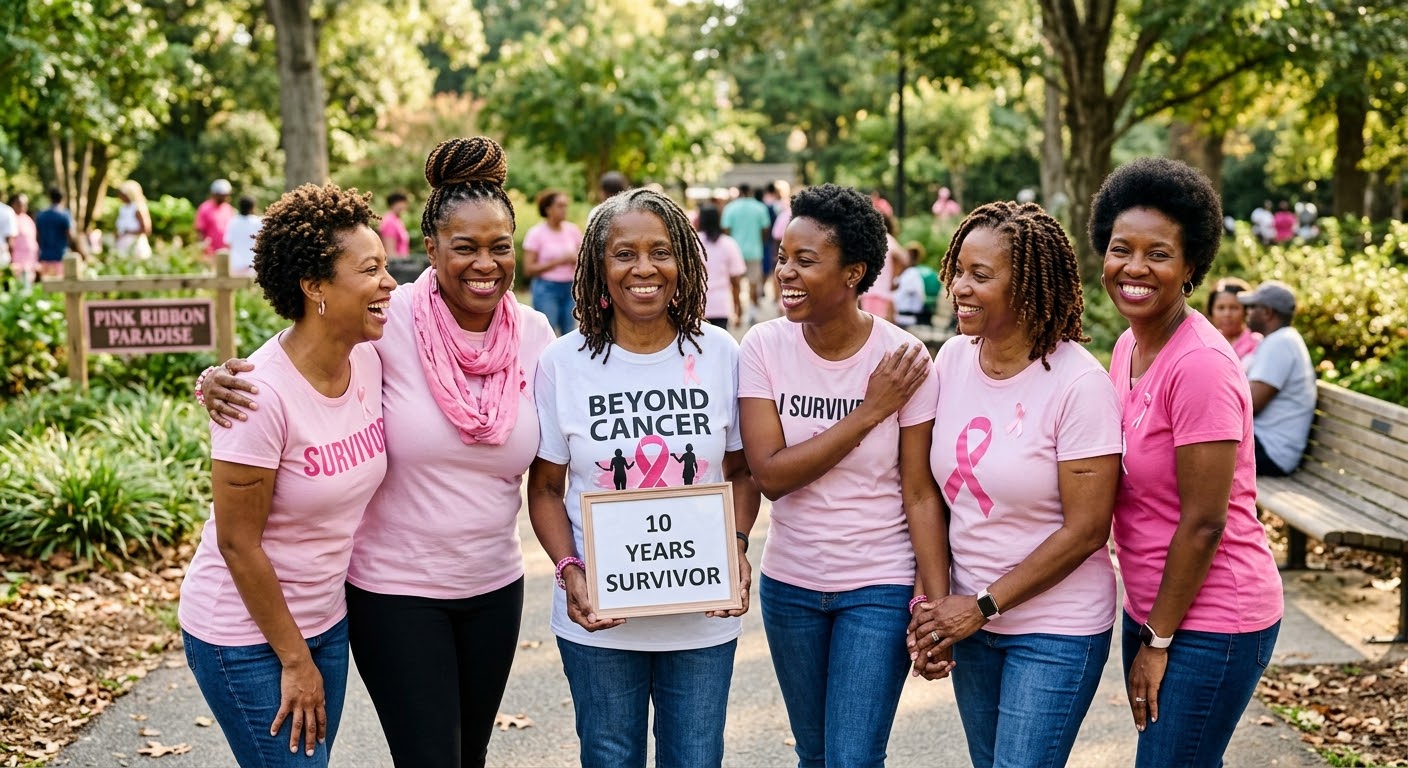
The true heart of Colorado’s Black breast cancer community lies in its survivors, who have transformed their personal trauma into a collective shield for others. They are women who refused to let their diagnosis define the entirety of their lives, choosing instead to write new chapters filled with education, art, policy advocacy, and unyielding sisterhood.
Take, for instance, the growing cohort of women who use October not just to wear pink, but to sound the alarm. They visit churches, community centers, and barbershops to remind women that early detection is a lifesaving weapon. They sit by the bedside of newly diagnosed sisters, holding their hands through the terrifying fog of biopsy results and treatment schedules.
They embody a profound truth: while October brings official awareness, the fight—and the healing—happen 365 days a year.
A Call to Action Beyond October
As the autumn leaves turn gold against the Colorado peaks and the pink ribbons of October eventually fade, the underlying challenges facing Black breast cancer patients remain. Solving these disparities requires more than seasonal sympathy. It demands systemic reform: increased funding for targeted research into aggressive cancers, mandatory anti-bias training for medical practitioners, and expanded healthcare access for low-income and rural communities across the state.
For anyone touched by this journey—whether fighting, surviving, or supporting a loved one—the message from Colorado’s resilient community is clear: You are not a statistic. You are a person, your story matters, and you never have to walk this path alone.