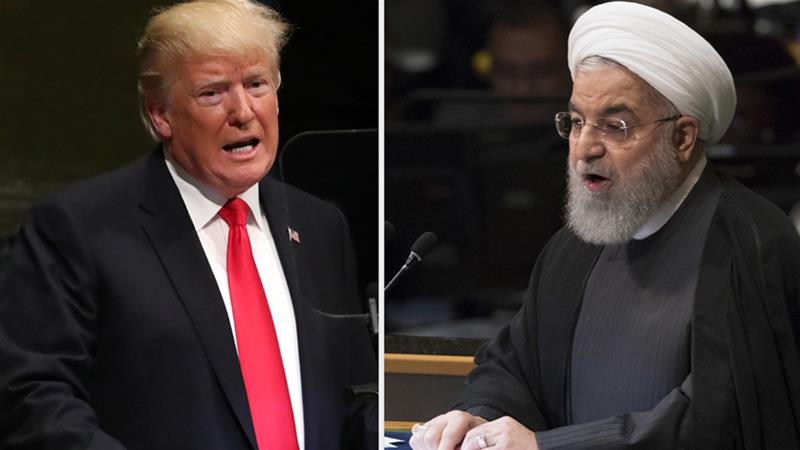
 By
By United States President Trump has spent the majority of his time at the G7 summit touting his tentative agreement with Iran, but many questions remain about just how the reopening of the key Strait of Hormuz will unfold — and just what the details of the agreement are.
The U.S.-Israel-led war in Iran has rocked the global economy and decimated Trump’s standing at home, even affecting approval ratings from his own supporters.
Asked about when the text of the agreement will be made public, Trump said he believes the terms of agreement will happen on schedule.
“I think it is going to happen fairly on time. We have both been involved. Iran wants to get it done. They want to get back to business. Their relationship is now normalized, so I think it is going to go quickly,” Trump revealed.
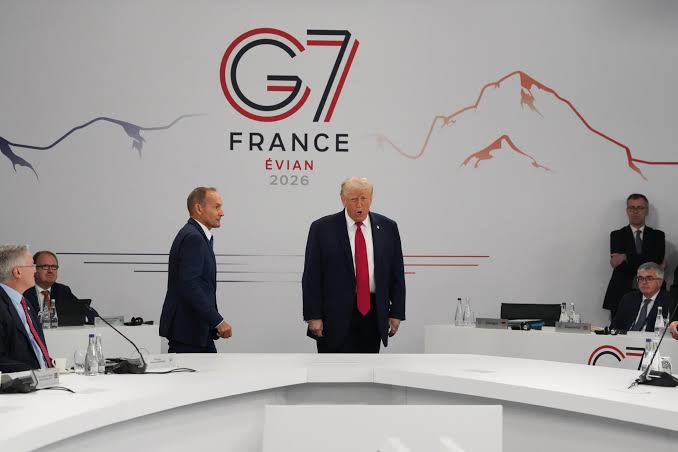
The US president said he signed a “great deal” with Iran and promised the Strait of Hormuz would soon be opened.
The speaker of the Iranian parliament, and former commander of the Islamic Revolutionary Guard Corps (IRGC), Mohammad Baqer Qalibaf, is believed to have signed on behalf of the regime.
In announcing the deal, Pakistan’s Prime Minister Shehbaz Sharif said both sides had declared an immediate and permanent end to all military operations.
But what is in the deal, and how much has Iran gained in negotiations?
The White House says some details will be released before Friday, when the deal is expected to be formally signed in Geneva, while President Trump says the agreement will be released “pretty soon” after Friday.
Iranian state media has published a list of 14 points that it says make up the bulk of the deal.
A close inspection of those points helps us get a better picture of the final stage of the negotiations and what Iran is trying to gain.
For example, in the very last point, Iran says its support of its regional proxies has been definitively removed from the agenda.
Vice President Vance cast doubt on the leaked proposal, saying he was “seeing a lot of fake information about a potential deal” on the weekend, but since the agreement was announced on Sunday, local time, the vice president has not pushed back on some of the 14 points.
In a recent high-level briefing by senior US officials, Washington pushed back against some points while acknowledging that others were part of the MOU.
Iran has been clear throughout negotiations that Israel’s actions in Lebanon, against the Iranian proxy group Hezbollah, must stop for a broader ceasefire deal to be possible, and Tehran is reiterating that message here.
Senior US officials have said Israeli withdrawal from Lebanon was not a condition of the deal and again reiterated that Israel had a right to defend itself against Hezbollah.
But the officials did also say, the first point of the MOU sought to include Iran as well as its regional proxies.
Trump put a blockade on Iranian ports and vessels just after a ceasefire between the US, Israel and Iran came into place in April. US warships in the Gulf of Oman prevented Iranian tankers from leaving the region, crippling the regime’s lucrative oil trade.
US officials have confirmed the blockade will be lifted, in combination with the Strait of Hormuz being opened, but said a return to normal traffic levels in the waterway would take time.
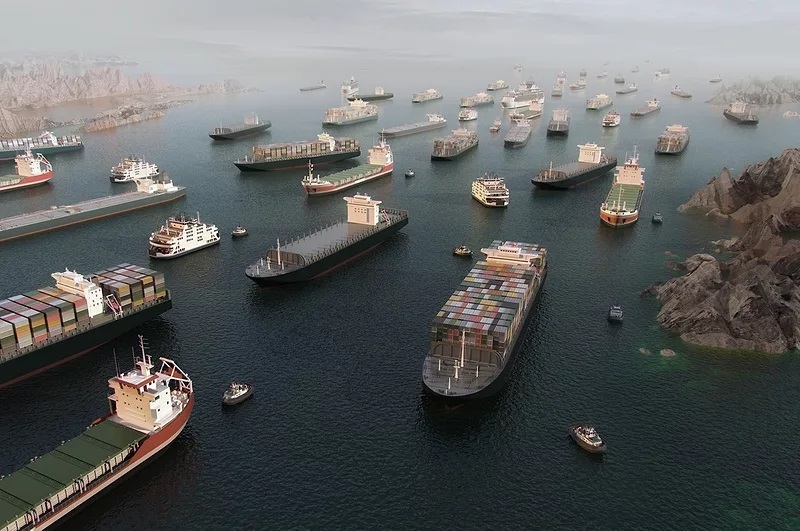
With the US blockade in place, and Iran effectively closing the nearby Strait of Hormuz to commercial traffic at the outbreak of war, traffic levels plunged.
While some ships have been going “dark” to make the crossing, or engaging in “negotiations” with Iran, surveillance shows that traffic is still far below pre-war levels — driving up costs of energy across the globe.
Officials have said it would take some time for oil tankers and other ships to operate in the Strait of Hormuz the way they did before the war due to the mines Iran placed in those waters during the past few months.
“Some crews are ready to go now, and in fact, have been going over the last couple of weeks,” Iranian officials have said. “Some crews want to see a little bit more stability for the next couple of days, maybe the next couple of weeks. But you will see a significant increase in traffic in the Strait of Hormuz.”
There’s also a feeling that the relationships built between negotiators from both countries could lead to a new phase of diplomatic relations that hasn’t occurred since before the Iranian revolution in the late 1970s.
The United States, so far, has not unfrozen any seized Iranian assets or lifted any sanctions, though that will likely change in the months ahead.
The way that I think about this is, Iran’s nuclear weapons program has been systematically destroyed. In order to rebuild it, they need a lot of money, and this deal really has two pathways.
Option one for Iran is they don’t get any money, and so they don’t have the resources to rebuild their defense industrial base or the nuclear weapons program. Option two is they are invited into the world economy with all the prosperity that comes along with it, but only if they provide the enforcement and verification mechanism to ensure they’re not going to rebuild that nuclear weapon.
There is hope within the Trump administration, that talks between Israel, Lebanon and Secretary of State Marco Rubio would also lead to a ceasefire in that war.
The first point in the MOU talks about how Iran and its allies and America and its allies seek to have a ceasefire and end hostilities, end the war and hopefully have a final peace that hopefully will include a lot of these proxy groups. Hopefully this will help get the Israel-Lebanon normalization and peace done properly.