
 By
By When you look back on the summers of childhood, they rarely exist as single moments. Instead, they form a vivid, golden composite: sticky hands sticky from melting popsicles, dusty shoes on a library carpet, the echo of laughter off public pool concrete, and long, meandering road trips where time seemed to expand. Summer was not merely a break from school; it was an invitation to wonder.
As adults, however, that seasonal magic has a habit of quietly evaporating. The unstructured freedom of youth gives way to the relentless rhythm of the workweek. July and August can easily shrink down to endless evenings of mindless screen scrolling, punctuated by six straight weeks of reality television and the occasional, heavily orchestrated weekend escape to the mountains. The glittering promise of summer turns into a routine of waiting for Friday, leaving us wondering where that sense of discovery went—and whether we can ever get it back.
The good news is that we don’t have to travel far to find it. The remedy for adult summer burnout isn’t a costly vacation or an overhaul of our busy schedules; it is sitting right in our backyard. Across the seven-county Denver metropolitan area, a quiet powerhouse of curiosity works year-round to ensure that art, science, and cultural discovery remain open to everyone. It is called the Scientific and Cultural Facilities District (SCFD), and it might just be the most successful civic experiment in our region’s history.
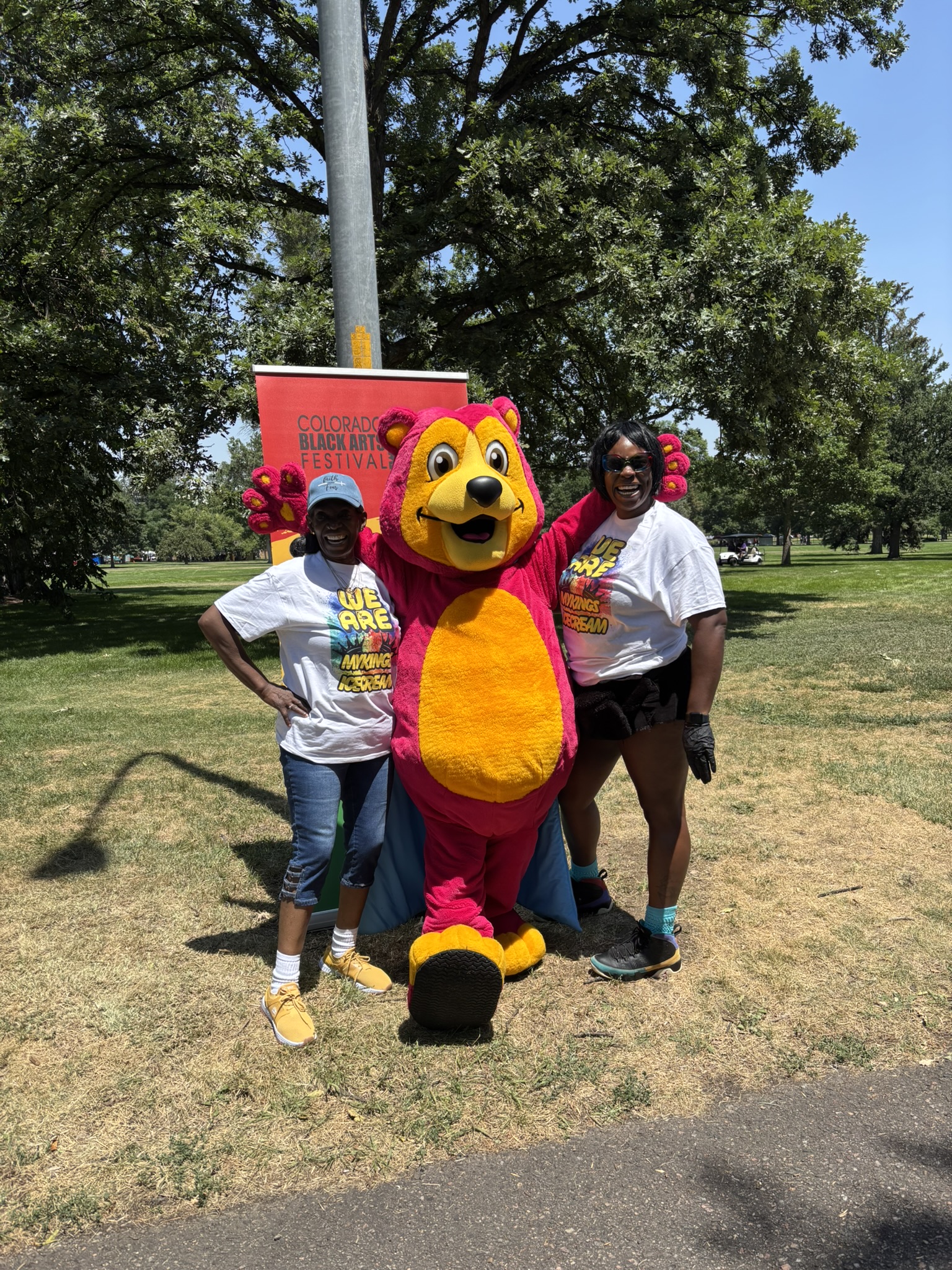
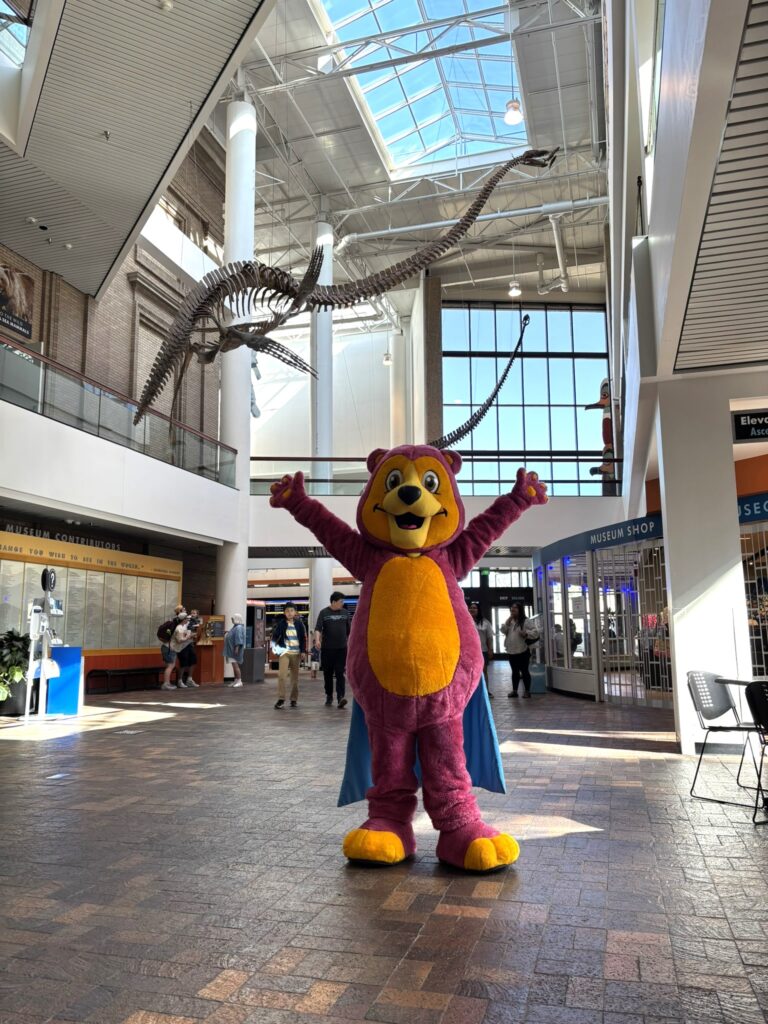
To understand why SCFD matters, you have to look past the policy jargon. At its core, SCFD is a regional tax district covering Adams, Arapahoe, Boulder, Broomfield, Denver, Douglas, and Jefferson Counties. You have likely seen its signature hot-pink bear logo pinned to the entrances of places like the Denver Art Museum, Dinosaur Ridge, the Aurora Symphony Orchestra, or Wings Over the Rockies Air & Space Museum.
What makes this system remarkable is its micro-funding model. It operates on mere pennies: for every $10 spent on retail purchases within the seven-county region, the district collects just one single cent. It is a fraction of a cost so small that most consumers never notice it on a receipt—it amounts to less than a single penny on your morning iced coffee.
Yet, when pooled across millions of residents and visitors, those pennies transform into an unstoppable engine for public good. In 2025 alone, that tiny micro-tax generated an astounding $87 million in grants. That funding goes directly toward subsidizing general admission, building groundbreaking new exhibitions, bringing science outreach into local schools, and funding free community days.
This ecosystem did not happen by accident. In the late 1980s, the Denver metro area was reeling from a severe economic downturn. As municipal budgets tightened, funding for local arts and cultural institutions was severely slashed. Facing a crisis that threatened to close museum doors and shutter theater stages, a dedicated group of grassroots activists, community leaders, and visionaries rallied together. Rather than relying on fragile government handouts or volatile corporate sponsorships, they proposed a public tax district that would create guaranteed, baseline funding for the cultural sector.
Voters approved the proposal in 1988, and in the decades since, citizens have voted to reauthorize SCFD three separate times. That sustained public commitment has allowed Denver’s cultural landscape to explode exponentially. Today, SCFD provides financial support to more than 300 non-profit organizations, ranging from massive world-class museums to neighborhood theater troupes.
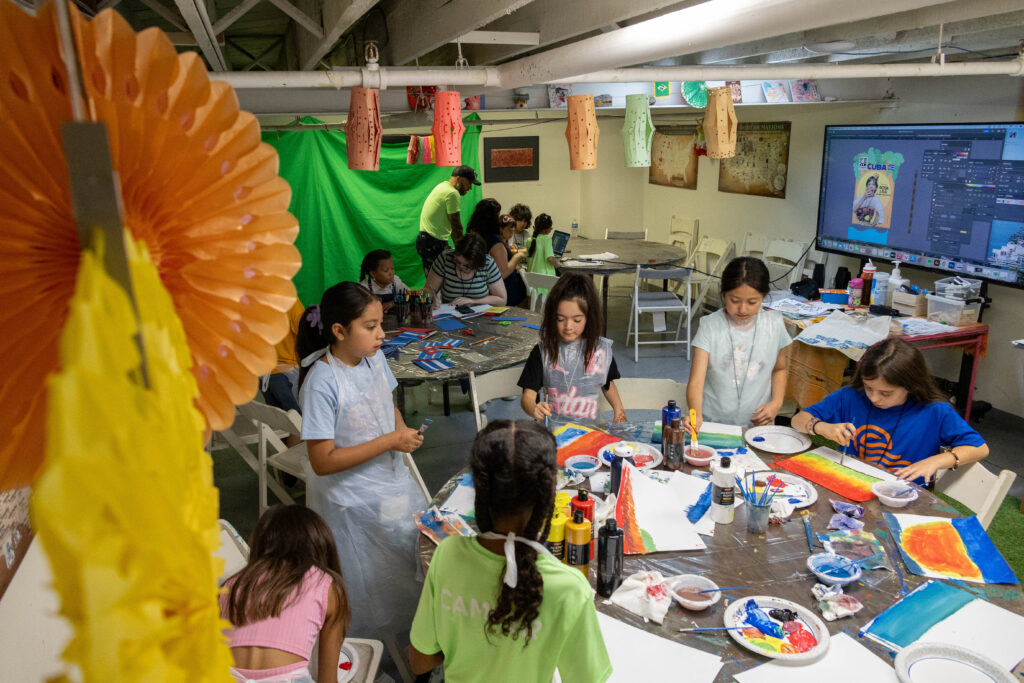
The true beauty of this network lies in its sheer breadth. There is no single archetype of an “SCFD attendee.” At the Denver Zoo Conservation Alliance—a funded partner since the district’s inception in the 1980s—SCFD dollars have supported nearly four decades of free admission days alongside community science projects and wildlife education. At Museo de las Americas, district support funds multicultural workshops like traditional Posada Printing and traveling exhibitions that bring Latin American history directly into suburban schools.
Whether it is an adult picking up an instrument for the first time in twenty years at Swallow Hill Music, a family tracking wildlife at Bluff Lake Nature Center, or parents introducing their babies to fine art during interactive “art crawls” at the Clyfford Still Museum, the district serves every age group and interest.
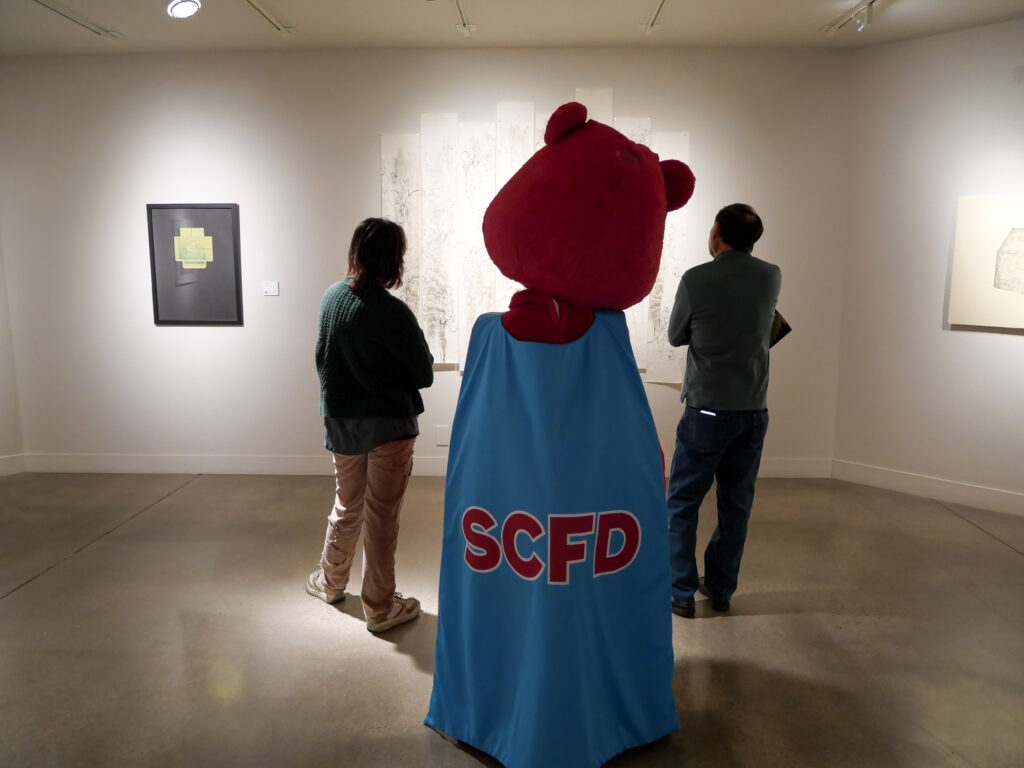
As we navigate the heat of mid-summer, the invitation from our cultural community is simple: step away from the screens and jump in. Through the annual “Summer of SCFD” initiative, dozens of regional venues host completely free days, outdoor concerts, and family film series. You can spend an afternoon wandering through the outdoor sculptures at Marjorie Park, take a free ride on the historic Carousel of Happiness in Nederland, catch an evening symphony performance under the stars in Littleton, or explore the prehistoric tracks at Dinosaur Ridge without ever opening your wallet.
Childhood summers felt magical because we allowed ourselves to be curious. We tried new things, visited new places, and spent our time looking outward rather than down at our phones. The Scientific and Cultural Facilities District was built on the belief that access to awe should not be a privilege reserved for those with disposable income, nor should it end when we grow up.
Our cultural institutions belong to the community that created them. The next time you spot that bright pink bear logo in your neighborhood, remember that your pennies helped build it—and that a season of wonder is still waiting for you right outside your front door.