
 By
By “Good leaders do not lead from ego or politics; they lead from a commitment to improving the lives of the people they serve.” -Dr. Anne Keke
Introduction
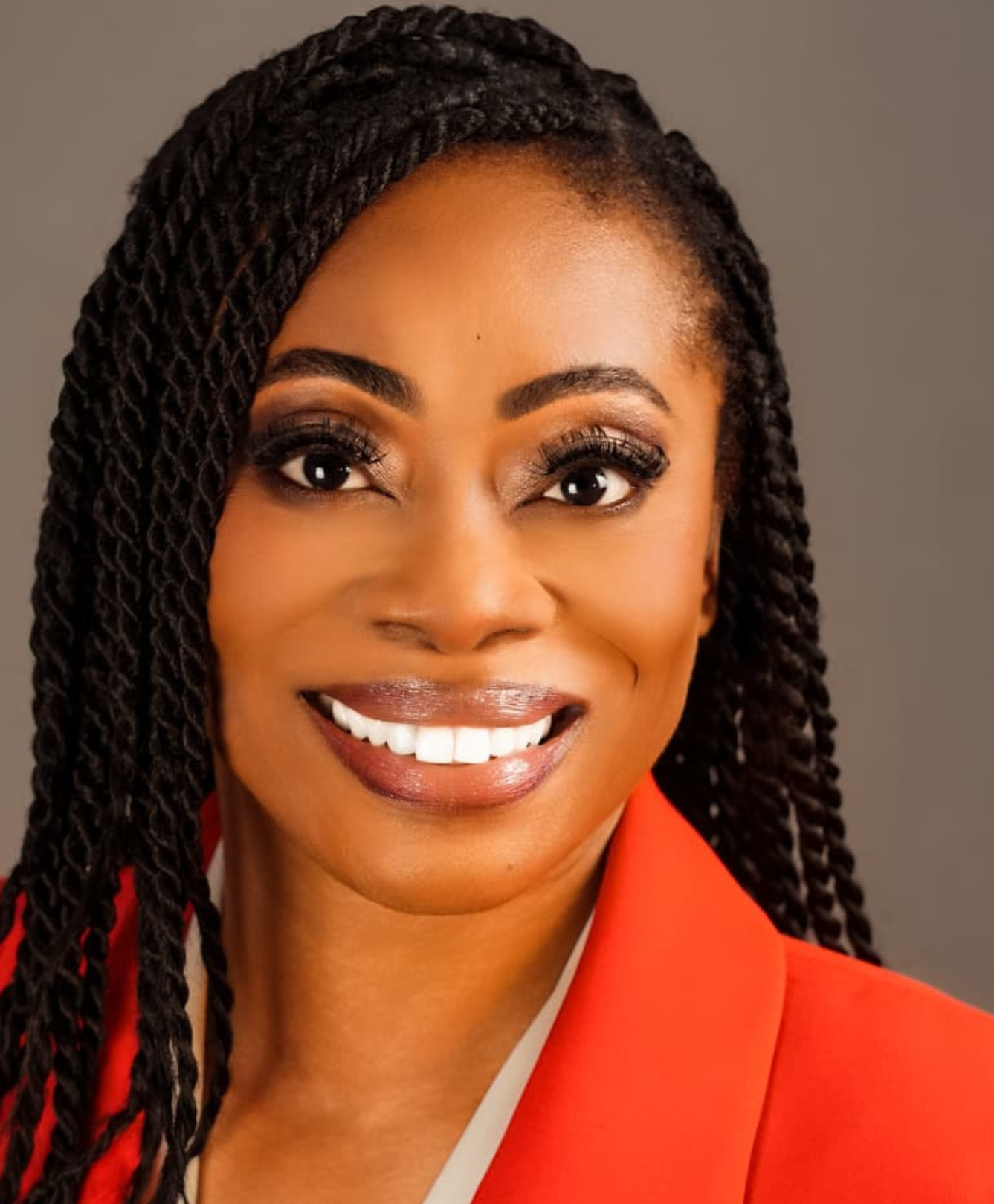
There are some leaders whose stories read like a gentle reminder that hope can travel continents. Anne Keke is one of them. From the beautiful streets of Côte d’Ivoire to the wide Colorado sky, she has carried with her a worldview shaped by resilience, gratitude, and a deep belief in the dignity of every person she encounters. She leads with the quiet conviction that community is not a place you arrive at; it is something you build, one act of service, one listening ear, one open door at a time.
Anne values empathy over ego, honesty over convenience, and belonging as a birthright, not a privilege. Whether she is helping families navigate unfamiliar systems, advocating for students on the Aurora Public Schools Board, or standing shoulder‑to‑shoulder with immigrant communities, she brings a mindset rooted in compassion and a worldview shaped by lived experience.
Now, as she steps into the 2026 race for Colorado House District 41, her journey takes on a new chapter — one that feels both inevitable and deeply needed. Her candidacy is about bringing the voices of working families, multilingual communities, and young people who rarely see themselves reflected in public office into the rooms where decisions are made. It is about ensuring that the policies shaping daily life, such as housing, education, healthcare, and opportunity, are crafted with humanity, clarity, and courage.
In this conversation with the publisher of Afrik Digest, Dr Anne Keke reflects on the path that shaped her, the values that guide her, and the vision she carries for a Colorado where everyone feels seen, supported, and invited to belong. Her story is a reminder that leadership can be both tender and bold, and that sometimes, the most powerful change begins with someone who simply refuses to stop believing in people. Please read:
Afrik Digest: What inspired your decision to run in the 2026 Democratic primary for Colorado House District 41?
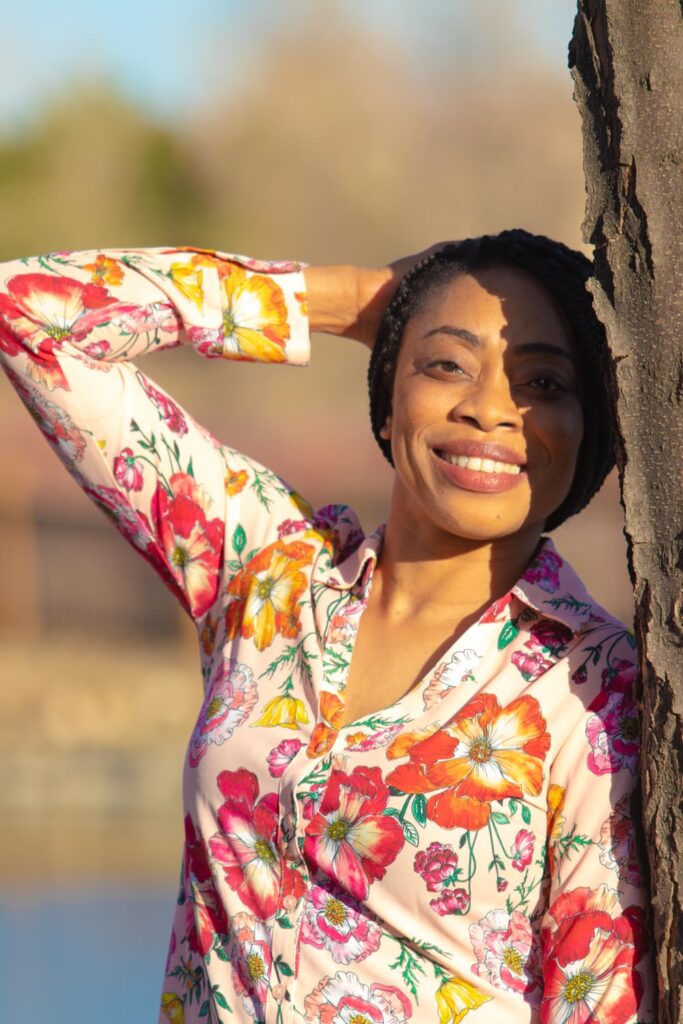
Anne Keke: My decision to run in the 2026 Democratic primary for Colorado House District 41 came from two things. First, leaders from several different immigrant communities encouraged me to run because they wanted someone who understands the lived experiences of working families, immigrants, and historically underrepresented communities. Those conversations meant a great deal to me because they came from people who have trusted me to listen, show up, and advocate for them long before any campaign.
Second, serving as Aurora School Board President allowed me to see firsthand the challenges families in Aurora face every day. Students come to school carrying the weight of their families’ struggles long before they ever open a book or sit down in a classroom. Many come from homes where parents are wondering whether they will be able to pay rent or the mortgage, whether cuts to federal support programs will put healthcare out of reach, whether they will be promoted or laid off from work, or, in some cases, whether a parent may be taken away by immigration enforcement and separated from their family.
Those realities affect students, families, and entire communities. Over time, I realized many of the challenges impacting our children cannot be solved by schools alone. They require leadership at the state level that is willing to listen honestly, protect working families, and fight for policies that create stability, dignity, opportunity, and hope for all constituents. That is what inspired me to step forward and run for House District 41.
Afrik Digest: How does your experience on the APS Board prepare you for state‑level policymaking?
Anne Keke: My experience on the APS Board has prepared me for state-level policymaking because school board service teaches you how policy affects people’s daily lives in real time.
On the board, decisions are not abstract. A budget decision can affect a classroom. A staffing decision can affect a teacher. A transportation issue can affect whether a student gets to school safely. A mental-health investment can change whether a child feels supported enough to learn. That experience taught me to always ask: Who is impacted? Who has been heard? And what will this decision mean for families in their everyday lives?
Serving through COVID recovery, enrollment challenges, school closures, teacher retention concerns, and a historic bond measure also taught me how to lead through complexity. Not every decision is easy, and not everyone will agree. But people deserve leaders who listen carefully, communicate clearly, tell the truth, and make decisions with transparency and courage.
It also taught me that many challenges facing our schools are connected to larger issues families face every day, such as housing, healthcare, wages, public safety, childcare, and access to opportunity. Students do not live separate lives inside and outside the classroom. When families are struggling, children carry that weight with them.
That is why I believe my work on the APS Board has prepared me to serve at the state level. I have experience listening to diverse communities, balancing difficult priorities, managing public dollars responsibly, and keeping constituents at the center of every decision. Most importantly, I have learned that good policy should not be about helping only a certain group of people — it should be about improving the lives of all people and creating stronger, healthier communities for everyone.
Afrik Digest: What issues do you believe are most urgent for the residents of District 41, and how do you hope to address them if elected?
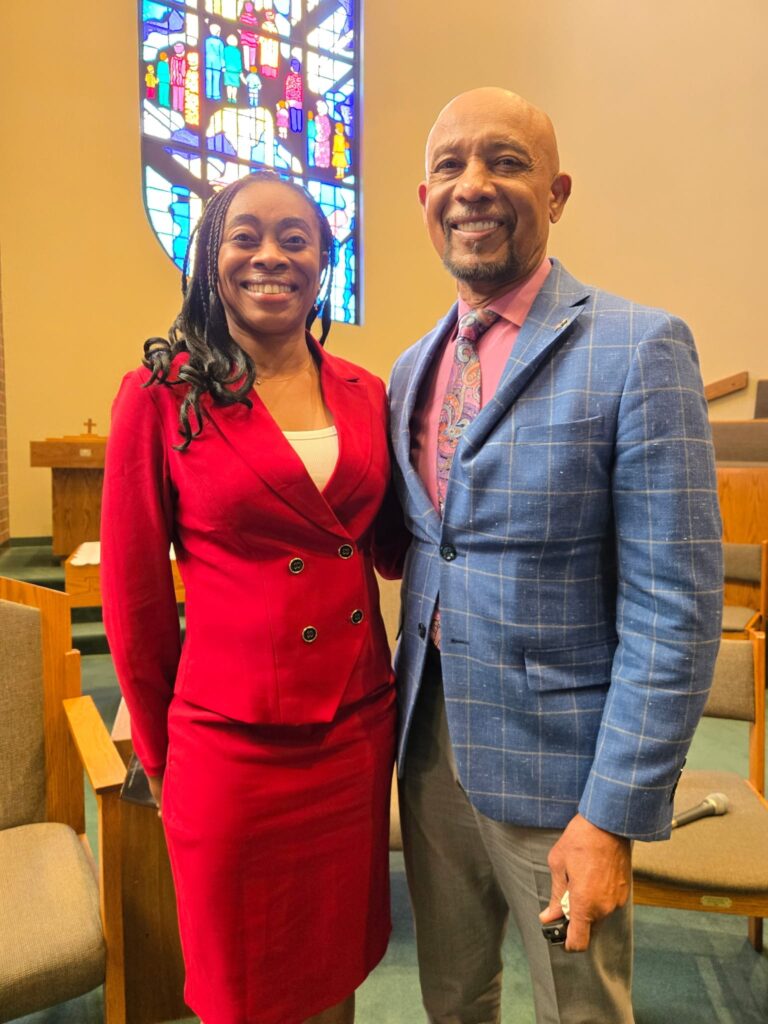
Anne Keke: If elected, I hope to approach these issues the same way I approached my work on the APS Board: by listening first, leading with honesty, and focusing on practical solutions that improve people’s daily lives. People are tired of political talking points. They want leadership that understands the real pressures they face and is willing to think creatively about solutions.
That means supporting policies that help working families keep more of what they earn, expanding pathways to good-paying jobs and workforce training, increasing affordable housing options, improving access to healthcare and mental-health services, and making government more responsive and efficient for everyday people.
I also believe we need leadership that understands how connected these issues are. When housing costs rise too fast, it impacts local businesses, public safety, transportation, and the overall stability of communities. When people are working multiple jobs just to survive, it affects family life, mental health, and civic engagement. And when driving to work feels like a pay cut because of rising costs, people lose faith that the system is working for them.
That is why I believe we need more practical and innovative approaches, investing in workforce development tied directly to local industries, creating stronger partnerships between education, business, and community organizations, supporting small businesses and entrepreneurs, expanding transit and infrastructure solutions that reduce everyday costs, and making sure economic growth actually benefits the people who live here.
That is exactly the kind of bold, practical, and people-focused leadership I believe House District 41 deserves, and what I intend to bring if elected.
Afrik Digest: What message do you hope your candidacy sends to young people, especially those from immigrant or refugee families who may not see themselves represented in public office?
Anne Keke: The message I hope my candidacy sends is that leadership belongs to everyone, including young people who may have grown up feeling unseen, unheard, or underrepresented. I want young people, especially those from immigrant and refugee families, to know that their background is not a limitation; it is a strength. The experiences they carry, the languages they speak, the cultures they come from, and the challenges they have overcome all give them valuable perspectives that our communities and our government need.
When I first came to this country as a young woman, I could not have imagined one day serving as Aurora School Board President or running for state office. But Aurora gave me opportunity, community, and people who believed in me. I hope my journey shows young people that they belong in every room where decisions are being made.
Representation matters because when people can see themselves reflected in leadership, it expands what feels possible. But beyond representation, I also hope my candidacy encourages young people to stay engaged, use their voices, serve their communities, and believe that they have the power to shape the future.
Most importantly, I want them to know they do not have to change who they are to lead. Their stories, identities, and experiences are not obstacles to overcome, they are part of what makes their leadership meaningful and needed.
Afrik Digest: Campaigns require significant resources to reach voters. What has your experience been with fundraising so far, and how do you plan to ensure your campaign has the financial capacity to communicate effectively with the district?
Anne Keke: Fundraising has been both encouraging and humbling so far because much of the support has come from people and communities who truly believe in this campaign and the kind of leadership we are trying to build. I am deeply grateful to everyone who has donated and supported the campaign so far, especially people from many different backgrounds who want to see thoughtful, honest, and community-centered leadership in House District 41.
At the same time, I understand that campaigns require real resources to effectively communicate with voters across a large and diverse district. I take that responsibility seriously because people deserve the opportunity to hear directly from candidates about their vision, priorities, and leadership.
My approach to fundraising has been rooted in relationship-building and community trust. I believe people are more willing to invest in a campaign when they know the candidate is accessible, present, and genuinely connected to the community. Whoever knows me knows I have spent years showing up, listening, and supporting people long before running for higher office.
Moving forward, we will continue building a broad coalition of supporters and focusing on grassroots energy alongside strategic fundraising efforts to ensure we have the capacity to communicate effectively throughout the district. Most importantly, I want this campaign to reflect the community itself, diverse, people-centered, and grounded in authentic engagement rather than politics as usual. So if you have not donated yet, consider donating; every dollar counts.
Afrik Digest: Every campaign faces obstacles, from voter engagement to misinformation to the sheer size and diversity of the district. What challenges do you anticipate in this race, and how are you preparing to navigate them?
Anne Keke: House District 41 is incredibly diverse in many ways: culturally, economically, linguistically, and generationally, and with that comes both great opportunity and real challenges when it comes to voter engagement and communication. One of the biggest challenges in any race today is making sure people feel informed, connected, and motivated to participate in the democratic process at a time when many have become frustrated or disconnected from politics altogether.
I also recognize that misinformation and political division have become major challenges in public life. We are living in a time where fear and negativity can spread quickly, and where too many conversations become focused on division instead of solutions.
My approach to navigating those challenges is the same approach I have always taken in public service: staying grounded in the community, communicating honestly, showing up consistently, and focusing on real relationships with people. Whoever knows me knows I believe in being accessible and present. I have spent years building trust across different communities, and I believe that kind of authentic engagement matters now more than ever.
I also believe Aurora’s diversity is a strength, not a challenge to overcome. Preparing for this race means making sure people from all backgrounds feel seen, heard, and included in the conversation about the future of HD 41.
Most importantly, I plan to stay focused on substance over noise. People are looking for leadership that is practical, honest, and solutions-oriented. At the end of the day, most residents care less about political drama and more about whether leaders are willing to listen, tell the truth, and work to improve their daily lives.
Afrik Digest: You bring experience as an educator, a school board member, and a long‑time community advocate. How do these experiences shape the strengths you believe you bring into this race?
Anne Keke: My experience as an educator, school board member, and long-time community advocate has given me a deep understanding of how policy decisions impact people’s everyday lives. I have worked directly with students, families, educators, community organizations, and residents from many different backgrounds, and that experience has taught me how to listen, build trust, and lead through difficult challenges.
Serving on the APS Board during COVID recovery, school closure conversations, enrollment challenges, and major district investments also strengthened my ability to make tough decisions with honesty, transparency, and compassion. I understand how to balance competing priorities while keeping constituents at the center of the work.
Just as importantly, my years of community engagement have kept me grounded in the realities people face every day, affordability, housing pressures, public safety concerns, access to opportunity, and the desire to feel heard and represented.
I also believe leadership should not be measured simply by how many policies or bills are passed. The real question is: how are those decisions directly impacting people’s lives? Good leadership is about making life better for all people, not just a certain group of people. Everyone, regardless of their background, skin color, age, or where they come from deserves good leadership.
I believe the strength I bring into this race is a combination of lived experience, proven leadership, and authentic community connection. I am not stepping into this work to learn about the community; I have been serving in it for years.
Afrik Digest: Voters often want to understand what makes a candidate uniquely prepared for the role they’re seeking. What aspects of your background, leadership style, or community work do you feel best position you to serve the residents of House District 41?
Anne Keke: What best positions me to serve the residents of House District 41 is that my leadership has always been rooted in people, not politics. My experiences as an educator, school board leader, immigrant, and long-time community advocate have allowed me to work closely with people from all walks of life and truly understand the everyday challenges families face, because I have lived many of those experiences myself.
I have led during difficult times, through COVID recovery, school closures, enrollment challenges, and major district decisions, and those experiences taught me how to lead with honesty, transparency, compassion, and courage. I understand that leadership is not about avoiding hard conversations or simply passing policies. It is about making decisions that genuinely improve people’s lives.
Whoever knows me knows I believe in showing up, listening, and building trust across communities. I have spent years working directly with residents, families, educators, small businesses, faith leaders, nonprofits, and community organizations because I believe leadership should remain connected and relatable to the people it serves, not disconnected from their daily realities.
Most importantly, I believe District 41 deserves leadership that sees the full community, not just certain groups of people, but everyone, regardless of background, age, language, or skin color. At the end of the day, people want leaders who are honest, accessible, relatable, solutions-oriented, and willing to fight for stronger opportunities and a better future for all constituents. That is the leadership I will bring to House District 41.
Afrik Digest: You’ve shared that your journey from Côte d’Ivoire to Colorado shaped your commitment to service. What experiences from that journey most influence the leader you are today?
Anne Keke: My journey from Côte d’Ivoire to Colorado taught me that resilience is built in the moments when you have to start over and still keep believing in a better future. Like many immigrant families, we carried big dreams, made sacrifices, and relied on the community to move forward. Those experiences shaped how I lead today. I know what it feels like to navigate unfamiliar systems, to work twice as hard for opportunities, and to depend on people who choose compassion over indifference. That’s why I lead with empathy, service, and a deep belief that everyone deserves to feel seen, valued, and supported. At its core, my story is not just about where I came from — it’s about the universal hope for opportunity, belonging, and a chance to build a better life for the next generation.
Afrik Digest: What motivated you to pursue advanced education while raising a family and building a life in a new country, and how has that shaped your approach to public leadership?
Anne Keke: When I moved to the United States, I was a young woman in my 20s. I did not come here with a family already established around me. In many ways, Aurora became that family for me. This community gave me opportunity, belonging, and the chance to build a life rooted in purpose. Pursuing advanced education was never just about earning a degree. It was about opening doors, understanding systems, and becoming better equipped to serve. As an immigrant woman, I knew education could help me turn lived experience into leadership. That journey shaped how I lead today. I lead with gratitude, humility, and a deep belief that opportunity should not depend on where you were born, what language you speak, or whether you already know how to navigate the system. Aurora gave me a chance, and my public leadership is about making sure others have that chance too.
Afrik Digest: Many in our community see you as a bridge between immigrant families and civic institutions. How did that role develop for you?
Anne Keke: That role developed very naturally over time because I was living the same experiences that so many immigrant families were facing. I understood what it felt like to arrive in a new country full of hope, but also uncertainty, trying to learn unfamiliar systems, advocate for yourself, and find where you belong.
Early on, I realized that many families were not lacking care or ambition; they were lacking access, information, and trust. Sometimes there was a language barrier. Sometimes it was fear, or simply not knowing how institutions worked. I found myself helping neighbors navigate schools, community resources, and local government conversations long before I ever held public office. What shaped me most was listening. People want to feel seen and respected. They want someone who understands both their struggles and their strengths. Over the years, I became a connector between worlds, helping institutions better understand immigrant communities, while also helping families see that their voices matter and that they belong at the table. But for me, leadership is not about speaking for people forever. It is about empowering people to advocate for themselves, feel confident using their voices, and recognize the power they already have within them. One of the most meaningful things for me is seeing families who once felt invisible become engaged leaders in their schools, neighborhoods, and community organizations. I do not see this role as being a bridge only. I see it as helping build pathways so more people can cross on their own with dignity, confidence, and a true sense of belonging.
Afrik Digest: You joined the APS Board during a period of major change. Looking back, what accomplishments or initiatives are you most proud of?
Anne Keke: I joined the APS Board during one of the most difficult periods in our district’s history, in the aftermath of COVID, during the final phase of school closures, and at a time when APS was facing significant enrollment declines. Students, families, and teachers were all carrying enormous uncertainty, and the district was being forced to make very hard decisions while trying to stabilize for the future.
Looking back, I am proud that throughout those challenges, I stayed focused on students, families, and teachers first. These conversations were never just about buildings or budgets. They were about children losing familiar spaces, families worried about their communities, and educators doing everything they could to support students during an incredibly difficult time. I understood the emotional weight those decisions carried for everyone involved.
One of the accomplishments I am most proud of is helping ensure that families, especially immigrant families, multilingual families, and historically underrepresented communities, had a voice during these critical conversations. In moments of crisis, it is easy for people to feel powerless or unheard, and I worked hard to make sure engagement was meaningful, accessible, and rooted in respect.
I am also proud of supporting efforts focused on long-term sustainability while still keeping students, families, and teachers at the center of every decision. APS had to confront difficult realities around underenrollment, but I believed then, and still believe now, that leadership requires honesty, compassion, and transparency. Even when decisions are difficult, people deserve leaders who are willing to listen openly, communicate clearly, and tell the truth, no matter how hard or uncomfortable it may be. Trust is built through honesty, especially during times when communities are looking for accountability and stability from their leaders.
At the same time, I remained committed to advocating for student achievement, mental health, and equitable opportunities. COVID impacted students academically, socially, and emotionally, and recovery required us to think beyond test scores alone. We had to focus on rebuilding trust, connection, and support systems for students, families, and educators alike.
Most importantly, I am proud that I tried to lead with empathy and integrity during a time when emotions were high and solutions were not simple. Public leadership during difficult seasons is not about avoiding hard conversations or covering the truth. It is about facing challenges honestly, navigating them with humanity and courage, and always keeping the well-being of your constituents at the center of every decision.
Afrik Digest: APS has faced challenges around mental‑health needs, teacher retention, and school infrastructure. How have you approached these issues as a board member?
Anne Keke: Over the past four years, APS has had to respond to challenges that were deeply connected to the lasting impact of COVID on students, educators, and school communities. As a board member, I approached these issues by first recognizing that recovery was not only academic — it was also emotional, social, and structural.
One of the most important areas of focus has been student mental health. We saw firsthand how isolation, disruption, and uncertainty affected students in different ways. Many students returned to school carrying anxiety, grief, disconnection, and other challenges that could not simply be solved through academics alone. I was proud to support efforts that expanded mental-health resources, increased student support systems, and prioritized the well-being of the whole child. Students learn best when they feel safe, supported, and connected.
Teacher retention has also been a major challenge, not only in APS but across Colorado and the nation. Educators have carried an enormous burden over the past several years, and districts everywhere are competing to recruit and retain high-quality teachers. One thing APS did proactively was make significant changes to teacher compensation. The district increased starting teacher pay and adjusted the salary scale, making APS one of the highest-paying districts for new teachers in the metro area. While compensation alone does not solve every challenge, it sends an important message that we value educators and recognize the critical role they play in student success.
When it comes to school infrastructure, APS has also had to navigate difficult realities tied to enrollment changes, aging facilities, and long-term sustainability. These are not easy conversations because schools are deeply connected to neighborhoods and community identity. My approach has always been to balance fiscal responsibility with compassion and transparency- making sure decisions are guided by what will best serve students and families both now and in the future.
Throughout all of these issues, I have believed that leadership requires listening carefully, communicating honestly, and keeping people at the center of every decision. Challenges cannot be solved overnight, but communities deserve leaders who are willing to face them directly and work toward thoughtful, long-term solutions.
Afrik Digest: The district passed a historic $1 billion bond measure during your tenure. What do you believe this investment means for Aurora’s future?
Anne Keke: First, I want to thank the voters of Aurora once again for passing the historic $1 billion bond measure. That vote was a powerful statement about how much this community values public education and believes in the future of our students. At a time when many districts across the country are facing uncertainty, Aurora chose to invest in its children, its schools, and its neighborhoods.
As a matter of fact, I have always called this a “generational bond” because its impact will be felt far beyond the present moment. This investment is about creating opportunities and stronger learning environments not only for today’s students, but for future generations of Aurora families.
And today, we are already seeing those dollars at work. The bond is helping APS build new schools, modernize aging facilities, and thoughtfully repurpose closed school buildings into spaces that continue serving students and the community. One example is the opening of the district’s new bilingual school, which reflects both the diversity of Aurora and the growing needs of multilingual families. We are also investing in the future growth of northeast Aurora through the construction of a new comprehensive high school, helping ensure students and families have access to strong neighborhood schools as the community continues to grow.
To me, this is proof that Destination APS is becoming a reality. We are creating a district where families want to be, where students have access to modern learning environments and strong educational opportunities, and where educators have the resources they need to succeed. Destination APS is not just a slogan — it is about building a district that inspires confidence, pride, and long-term investment from the community.
But beyond buildings, this investment is really about opportunity. The quality of a student’s learning environment matters. Students deserve schools that reflect the value we place on their education and their potential. Teachers also deserve classrooms and facilities that support their work and allow them to focus on teaching and inspiring students.
I also see this bond as an investment in the broader future of Aurora. Strong public schools strengthen communities, attract families, support economic growth, and help create stability for neighborhoods. When we invest in education, we are investing in the long-term success of the entire city.
What made this especially meaningful to me was seeing the community come together around a shared vision for students. Aurora is incredibly diverse, and this vote showed that despite differences, people understand that supporting children and public education is something that benefits all of us.
Afrik Digest: How has your background as an educator informed your decision‑making on the board?
Anne Keke: My background as an educator has shaped every aspect of how I approach decision-making on the board and in public service. Once you have worked directly with students and families, you understand that education is never just about policies, numbers, or reports — it is about people, relationships, opportunity, and the long-term well-being of entire communities.
Being an educator taught me the importance of listening, patience, and meeting people where they are. It also taught me that every student, every family, and every community experiences systems differently. That perspective has helped me approach leadership with empathy and with a deeper understanding of the real-life challenges people face every day.
While I have always remained student-centered, my approach has also been grounded in serving all constituents. Whether we are discussing budgets, mental-health resources, school infrastructure, public accountability, or difficult decisions around enrollment, I believe leadership requires looking at the full impact decisions have on students, families, teachers, staff, and the broader community.
As an educator, I understand how important strong support systems are for success. I understand the value of investing in teachers, creating safe learning environments, and making sure families feel heard and respected. But I also understand the importance of transparency, fiscal responsibility, and honest communication with the public. Communities deserve leaders who are willing to listen openly, communicate clearly, and tell the truth, even when conversations are difficult.
Most importantly, education taught me that leadership is about service. Good leaders do not lead from ego or politics; they lead from a commitment to improving the lives of the people they serve. That mindset continues to guide every decision I make, and it is the kind of leadership I believe communities are asking for now more than ever.
Afrik Digest: APS serves one of the most diverse student populations in Colorado. What have you learned about the needs and strengths of multilingual and immigrant families?
Anne Keke: Serving on the APS Board has deepened my understanding of both the challenges and the incredible strengths within multilingual and immigrant communities. APS is one of the most diverse districts in Colorado, and that diversity is one of our greatest assets. Our families bring resilience, cultural richness, strong values around education, and a deep commitment to creating better opportunities for their children.
As an immigrant myself, many of these experiences are also personal to me. I understand what it feels like to navigate unfamiliar systems, language barriers, and sometimes the fear or uncertainty that comes with trying to build a life in a new country. What I have learned is that immigrant and multilingual families care deeply about their children’s education and want to be engaged partners, but too often systems are not designed in ways that make families feel welcomed, informed, or empowered.
One of the biggest lessons for me has been the importance of trust and accessibility. Families want leaders and institutions that listen to them, communicate clearly, and respect their experiences and cultures. When schools invest in language access, community engagement, and relationship-building, families respond with tremendous involvement and support.
I have also learned that these communities possess extraordinary strengths that should be recognized more often. Many multilingual students are navigating multiple languages, cultures, and responsibilities at a young age, and that is a strength, not a deficit. Immigrant families often demonstrate incredible resilience, work ethic, and determination despite facing significant barriers.
That is why I have consistently advocated for policies and opportunities that help families feel included and empowered, whether through stronger communication, expanded multilingual supports, or creating spaces where families know their voices matter. When families feel seen, respected, and connected, entire communities become stronger.
Ultimately, serving such a diverse district has reinforced my belief that leadership must be grounded in inclusion, empathy, and the understanding that diversity is not something to manage; it is something to value and build upon for the future of our community.
Afrik Digest: You are often seen at community events, cultural gatherings, and youth programs. What drives your commitment to being so present in the community?
Anne Keke: For me, being present in the community is not a political strategy- it is who I am. Community is what shaped me when I first came to Aurora as a young woman trying to build a life in a new country. Aurora embraced me, supported me, and gave me opportunities, so staying connected to the people and neighborhoods I serve has always felt deeply personal and important to me.
I believe leadership cannot happen only from behind a desk or during board meetings. You have to be present enough to listen, to understand what families are experiencing in real time, and to build genuine relationships with people from all walks of life. Whether I am attending cultural celebrations, youth programs, school events, faith gatherings, or neighborhood meetings, I see those spaces as opportunities to learn directly from the community.
I am especially passionate about being visible and engaged with different groups of people across the community because representation matters. People deserve to feel seen, included, and connected to leadership. Sometimes simply seeing someone who understands your experiences, your culture, or your journey can help people feel that they belong and that their voice matters too. I want young people, immigrant families, and all members of the community to know that leadership should be accessible and reflective of the people it serves.
Whoever knows me knows that if I am invited and I can make it, I will show up. I believe part of leadership is showing up for people, celebrating them, and helping elevate the work happening across the community. Some of the most impactful work in Aurora is happening quietly through nonprofits, youth groups, cultural organizations, educators, parents, and local leaders who care deeply about this city. I believe those efforts deserve recognition and support.
Being present also helps build trust. Communities deserve leaders who show up consistently — not only during elections or moments of crisis, but every day. People want leaders who are accessible, approachable, and genuinely invested in the well-being of their constituents.
Most importantly, I truly enjoy being in community. Aurora’s diversity, culture, resilience, and energy are what make this city special. Being connected to people keeps me grounded, reminds me who I serve, and strengthens my commitment to public leadership rooted in service, empathy, and action.
Afrik Digest: What are the most common concerns or hopes you hear from families?
Anne Keke: The concerns and hopes I hear from families are often deeply connected, because at the heart of it, most families simply want stability, opportunity, safety, and a better future for their children.
One of the most common concerns I hear is about whether students are truly being prepared for success — academically, emotionally, and socially. Families want strong schools, safe learning environments, access to mental-health support, and teachers who are supported and valued. After COVID, especially, many parents have been concerned about learning loss, student well-being, and helping children regain confidence and connection.
I also hear concerns about affordability and economic pressure. Many families are working hard just to stay afloat while balancing housing costs, childcare, transportation, healthcare, and other daily challenges. For immigrant and multilingual families in particular, there can also be concerns around navigating systems, accessing information, and feeling included in decision-making processes.
At the same time, I hear tremendous hope. Families in Aurora are incredibly resilient and optimistic. They believe in education. They believe in opportunity. They want their children to have access to careers, leadership opportunities, and pathways that perhaps they themselves did not have. Many families came to Aurora seeking exactly that, the chance to build a better life.
I also hear a strong desire for connection and belonging. Families want to know that their voices matter, that their cultures and experiences are respected, and that leaders are listening to them honestly and consistently.
What inspires me most is that despite challenges, families have not lost hope. They still believe in community, in public education, and in the possibility of a brighter future. That is why I believe leadership matters so much. People deserve leaders who will listen carefully, tell the truth, and work every day to help create opportunities and stronger futures for all constituents.
Afrik Digest: How do you navigate the cultural, generational, and linguistic differences within Aurora’s diverse communities?
Anne Keke: I navigate those differences by leading with respect, humility, and a willingness to listen. Aurora is incredibly diverse, and while people may come from different cultures, generations, or backgrounds, most families want the same things: opportunity, safety, stability, and a better future for their children.
As an immigrant myself, I understand how language and cultural barriers can make people feel excluded from important conversations. That is why I believe leadership should meet people where they are through accessibility, multilingual communication, and genuine community engagement.
I also believe differences should be approached with curiosity, not judgment. Every community and every generation brings valuable perspectives and strengths. When people feel heard, respected, and included, it becomes possible to build trust and bring people together around shared goals..