
 By
By By the time Dr. Pius Kamau and I eased onto the highway out of Aurora that Friday afternoon, April 24, 2026, I already suspected we were embarking on more than just a road trip. Pius had insisted we leave at 1 pm for the 3:30 pm Africa & Ale event in Fort Collins. The man was right. The long stretch of highway, and the occasional standstill, tested my patience especially, but not Pius’ resolve. He was determined to attend.
When we finally rolled into the Gregory Allicar Museum of Art at Colorado State University, the atmosphere greeted us like a warm drumbeat. As we stepped out of the car and walked toward Fort Collins High School’s grand structure, venue of the Africa & Ale 2026, a group of African students spotted us and waved excitedly. “We knew you were Africans!” one of them shouted across the lot. Their joy set the tone for the afternoon.
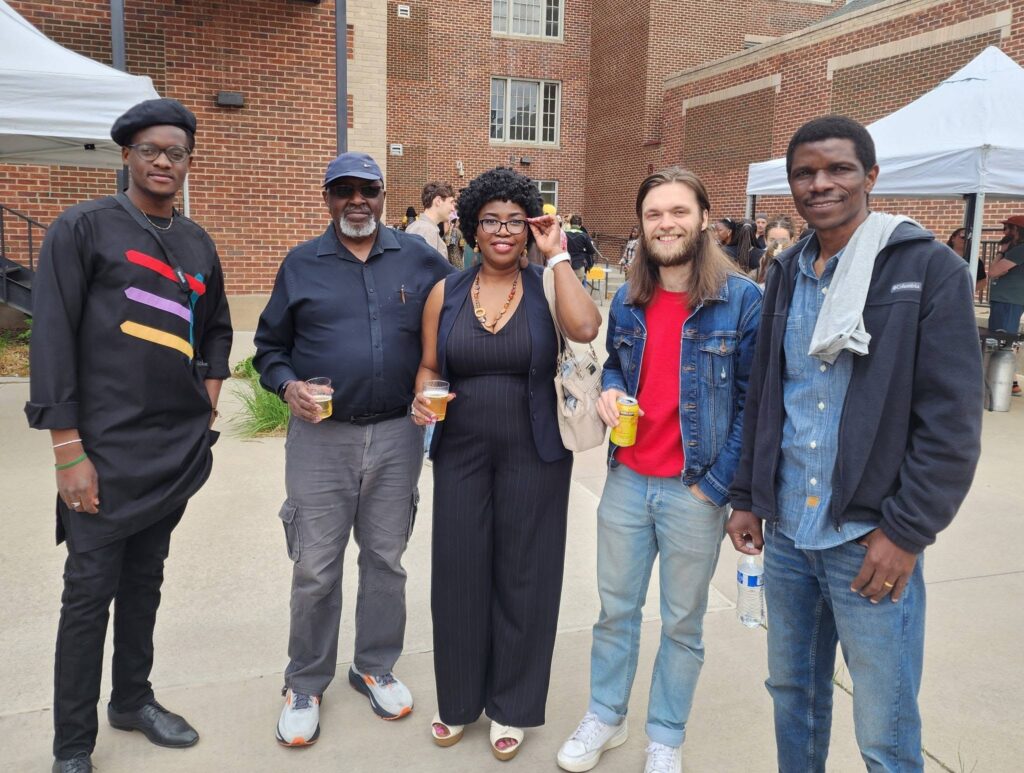
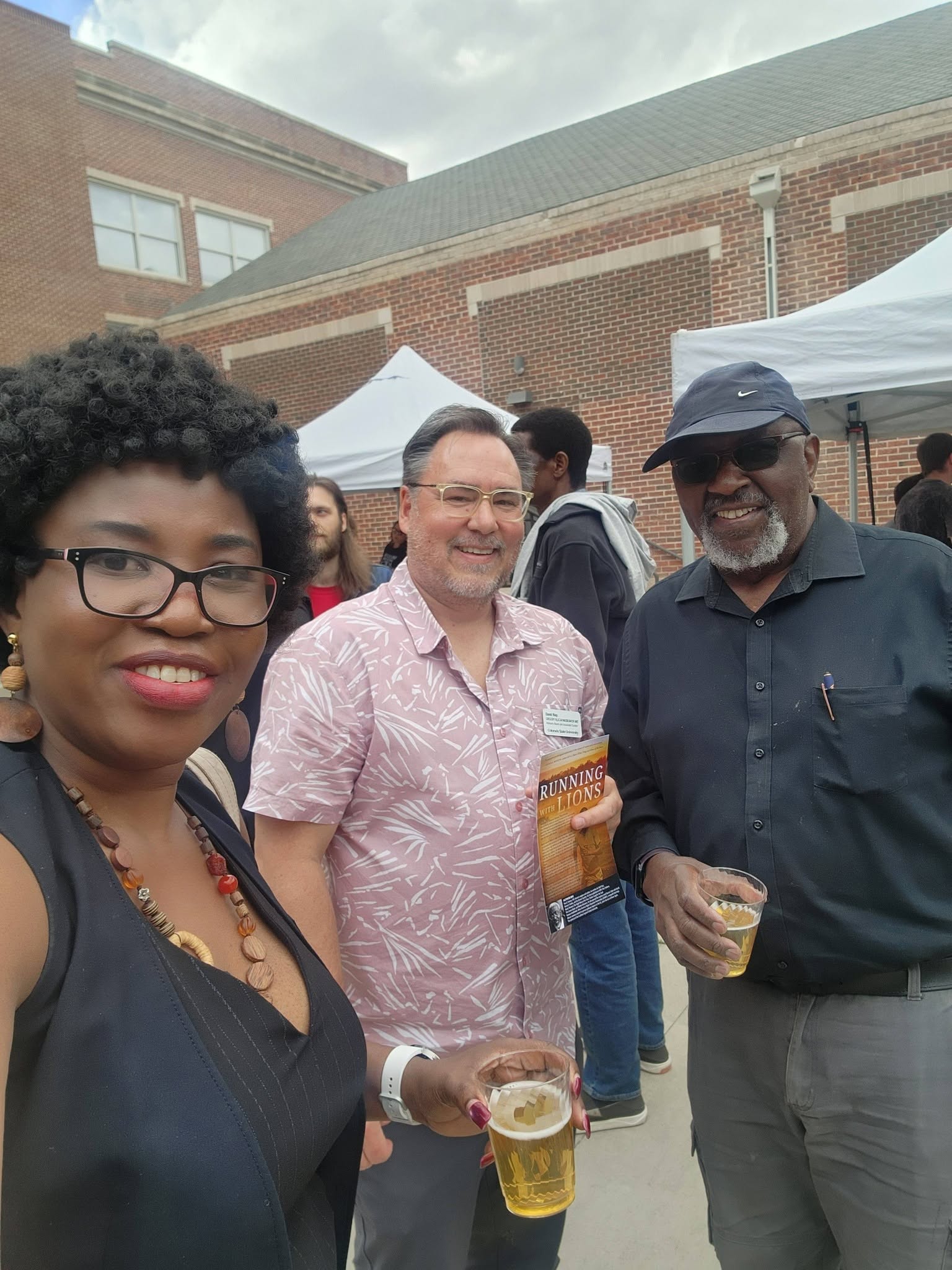
The loading and unloading area of the University Center for the Arts had been transformed into a vibrant outdoor gathering, with clusters of people chatting, laughing, sampling food, and raising cups of Africa‑inspired craft beer. The DJ’s Afrobeat rhythms floated through the air, giving the whole space a steady, irresistible pulse. And the food- my goodness, the food. Yummy Catering delivered jollof rice, plantain, and poff‑poff that tasted like home. Paired with the free craft beers brewed specially for the occasion by local breweries and CSU’s Fermentation Science program, the afternoon felt like a celebration of flavor, memory, and cultural pride.
Dr. David Riep, Director of The Africa Center, welcomed guests with remarks that reminded us why this event mattered. Africa & Ale 2026 was a social gathering, community networking space built around sustainability, innovation, and global engagement. It was a chance to learn, connect, and celebrate the intellectual and cultural contributions of Africa and its diaspora.
One of the highlights of the afternoon was the announcement of the 2026 essay contest winner: Monica, a brilliant Ghanaian PhD student. Her essay, Thinking the World from Africa: When Growth Forgot Nature, explored the wisdom embedded in traditional African farming practices. She argued for the reintroduction of no‑farm‑day rest periods—ancestral rhythms that allow the soil to breathe and regenerate. Her message was clear: sustainability isn’t a new invention; Africa has known it all along.

The Africa Center also announced the recipient of its $2,500 research fellowship, funded entirely by community donations. It was a beautiful reminder of how collective support fuels academic inquiry and keeps African‑centered scholarship thriving.
As Pius and I mingled, we chatted with several students, including Kwajo, the very pleasant president of the African graduate students’ association. He shared what was going well and what wasn’t, and we left the conversation feeling reassured. They were doing just fine. We also met the energetic and charismatic Victor Kalalanda, the student staff member leading the organizing team. Victor whisked us off for a tour of the Museum of African Art, and stepping inside felt like entering my own homestead.
The geometric artworks, some reminiscent of Ndebele designs, were bold, vibrant, and deeply symbolic. Ndebele art, with its symmetrical patterns and bright colors, has long served as a visual language of identity and celebration. Seeing echoes of it here in Colorado was unexpectedly moving.
We wandered past tall wooden sculptures shaped like abstract human forms, intricately woven textiles hanging like stories on the wall, and carved ceremonial objects that whispered of histories and rituals. Each piece felt like a bridge connecting continents, generations, and ways of knowing.
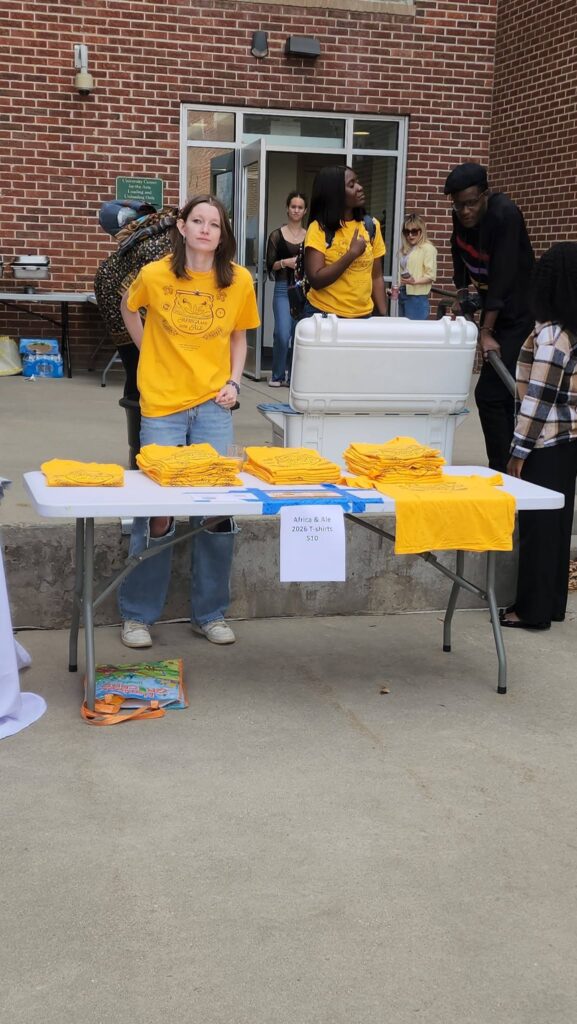
Outside, the event was winding down. Doctoral students from fields as varied as culture, U.S. history, media, journalism, and economics mingled with community members, faculty, and curious visitors. Organizers displayed t‑shirts and merchandise, raising funds and awareness for The Africa Center’s mission: transforming how the world sees Africa. And truly, that mission was alive in every corner of the event. In the laughter. In the music. In the scholarship. In the food. In art. In the conversations sparked between strangers who suddenly felt like kin.
By the time Pius and I began the long drive back to Aurora, the sun was dipping low, painting the sky in soft gold. I was grateful I wasn’t the one driving: how would I face that long, tedious road again? But about the event itself, Pius and I agreed wholeheartedly: it was a joy to witness African creativity honored in such a vibrant, communal way. Africa & Ale 2026 was a reminder that Africa’s stories continue to shape the world.