
 By
By – Africa’s New Mandate at the 2026 ALG’s Business Summit
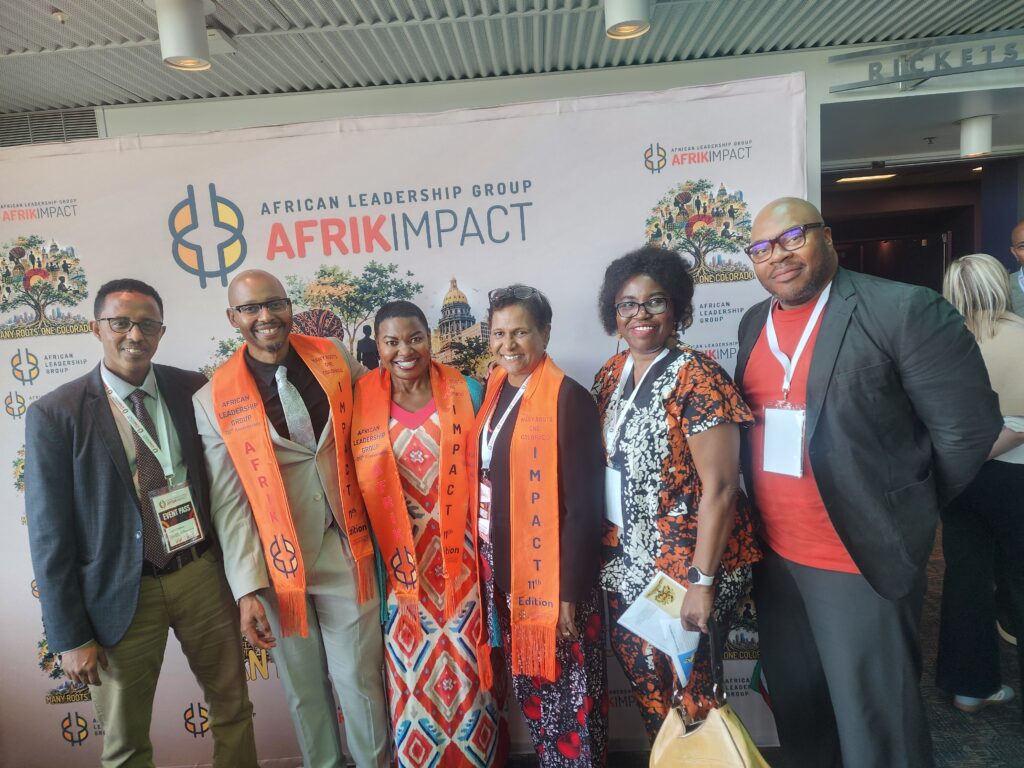
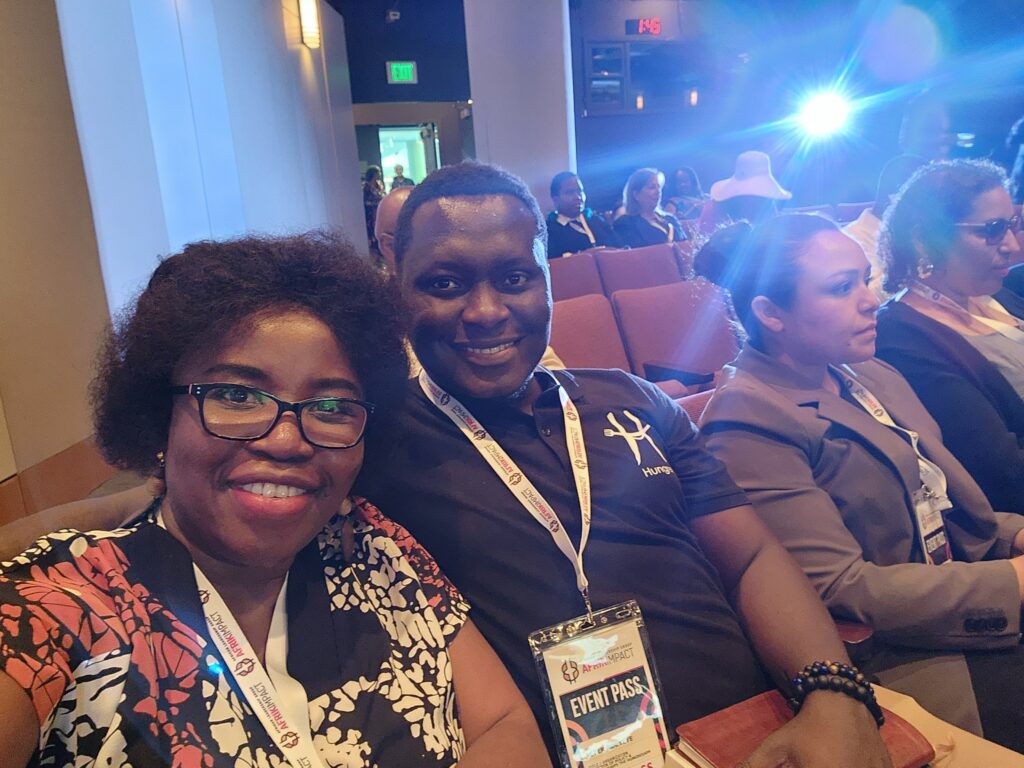
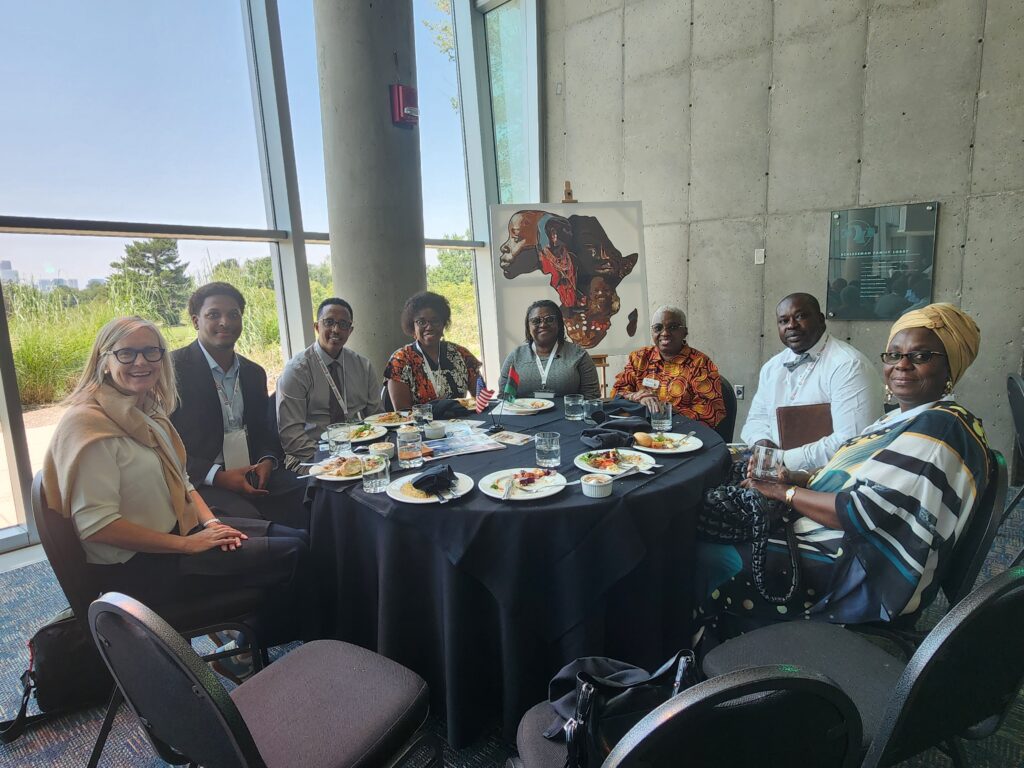
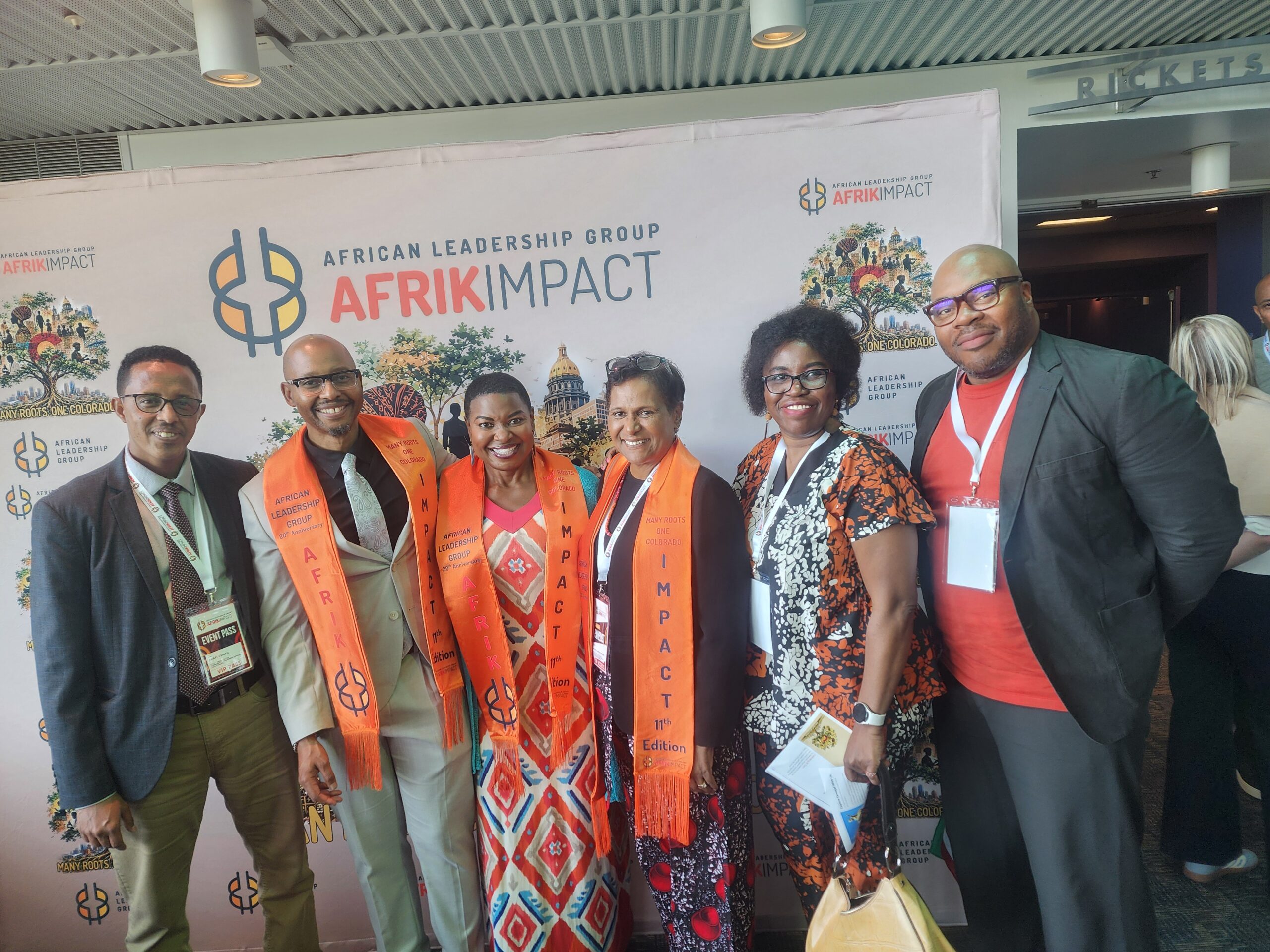
I’ve attended many conferences in Denver, some inspiring, some forgettable, some with more pastries than purpose. I’ve sat through my share of “global” conferences that offer more platitudes than pathways. But the African Leadership Group’s Business and Investment Summit was different. It felt like stepping into a room where the future was being negotiated in real time. And not in Dakar, Nairobi, or Kigali, but in Aurora, Colorado.
I had the privilege of witnessing a conversation that still intrigues me. Its echo stretched continents, rewrote assumptions, and reminded everyone present that Africa’s story is not waiting for permission. The summit was raw, specific, and often uncomfortably honest. It challenged three deeply embedded assumptions in American public discourse, that Africa is primarily a place to be helped, not a partner to be invested in, that risk in Africa is mostly about conflict rather than governance, and that the African diaspora in Colorado is somehow peripheral to “serious” economic conversations.
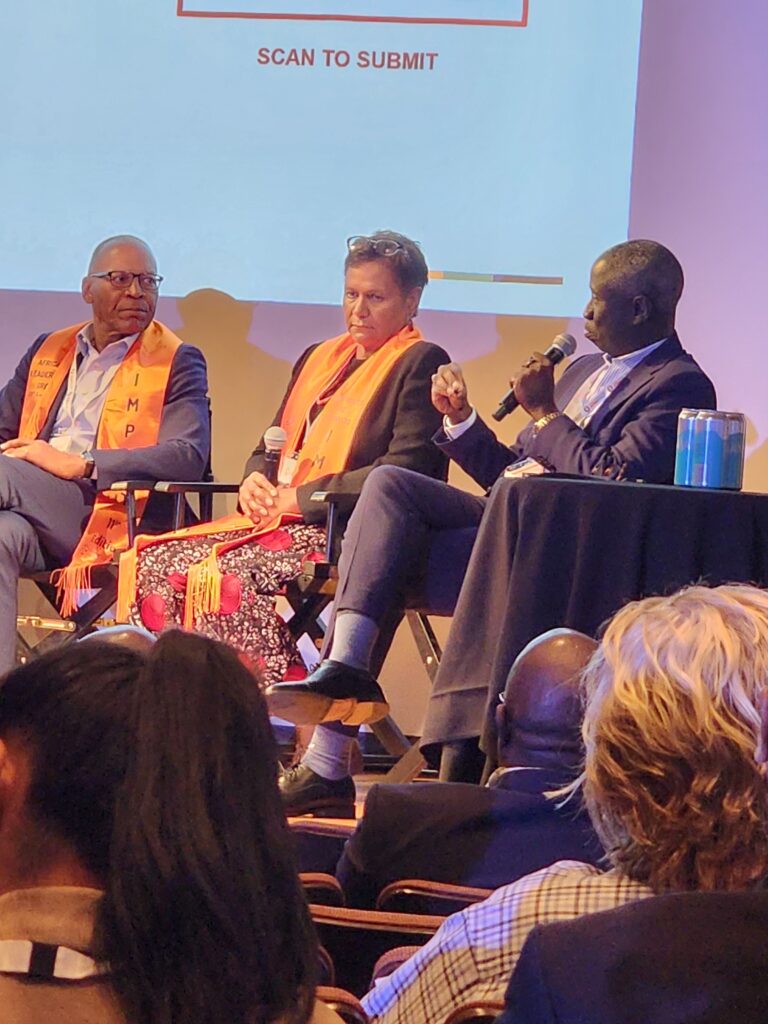
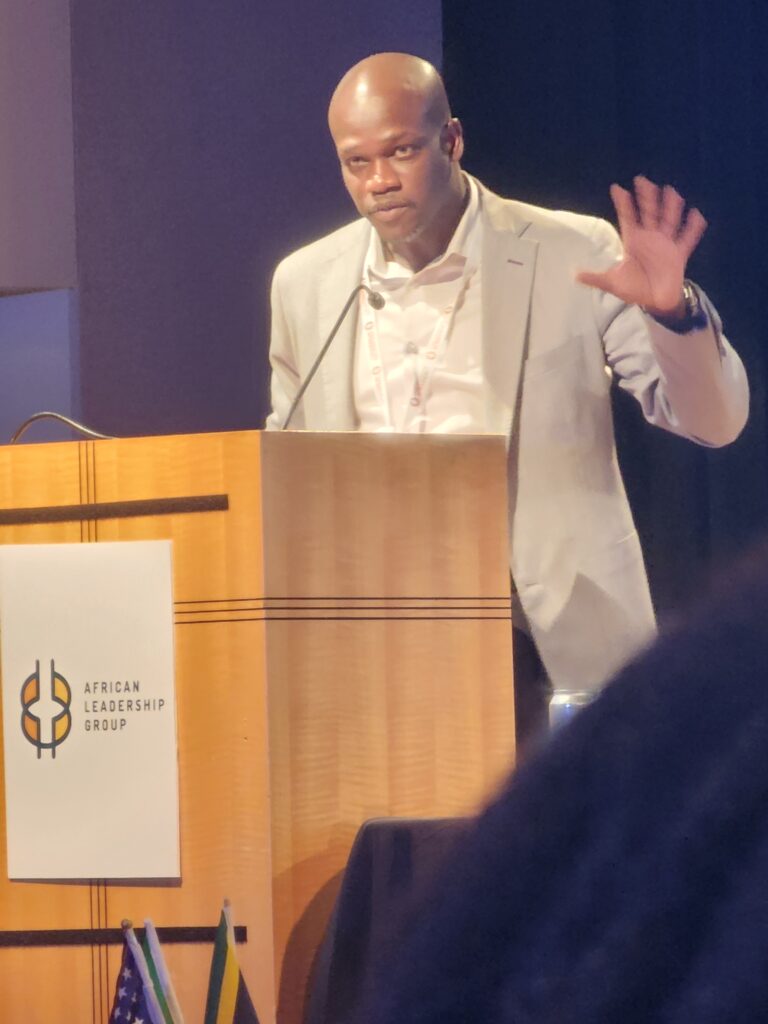
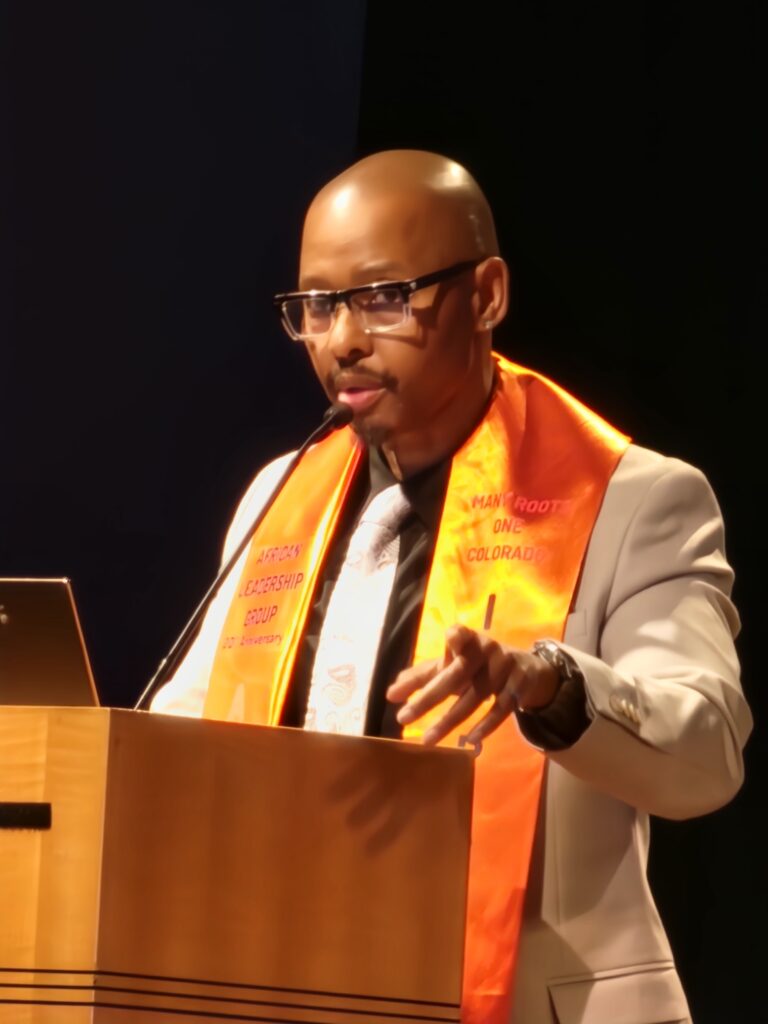
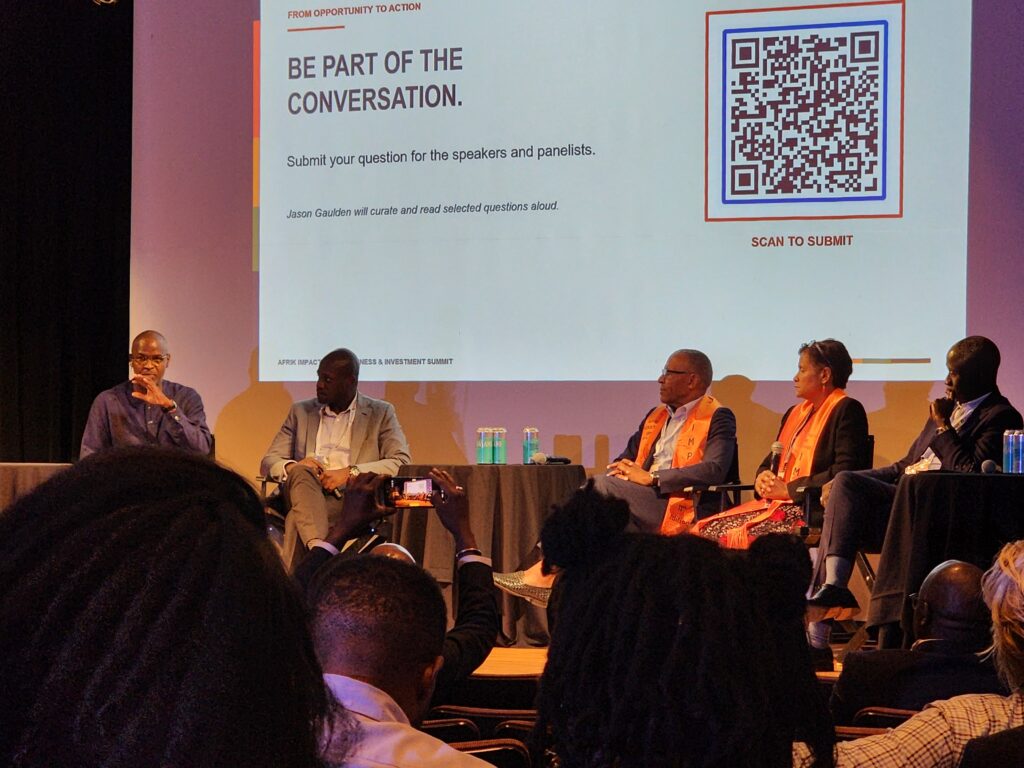
Over several hours, a cast of compelling voices, starting with keynote speaker Mokena Makeka and including Consul General His Excellency Mr. Demba Camara, Dr. Cheikh Mboup, Congressman Joe Neguse, Dr. M. Ibrahima Nour Eddine Diagne, Monica LaBiche Brown, and Ken Floyd, quietly dismantled those notions and sketched out what a more honest, mutually beneficial relationship could look like.
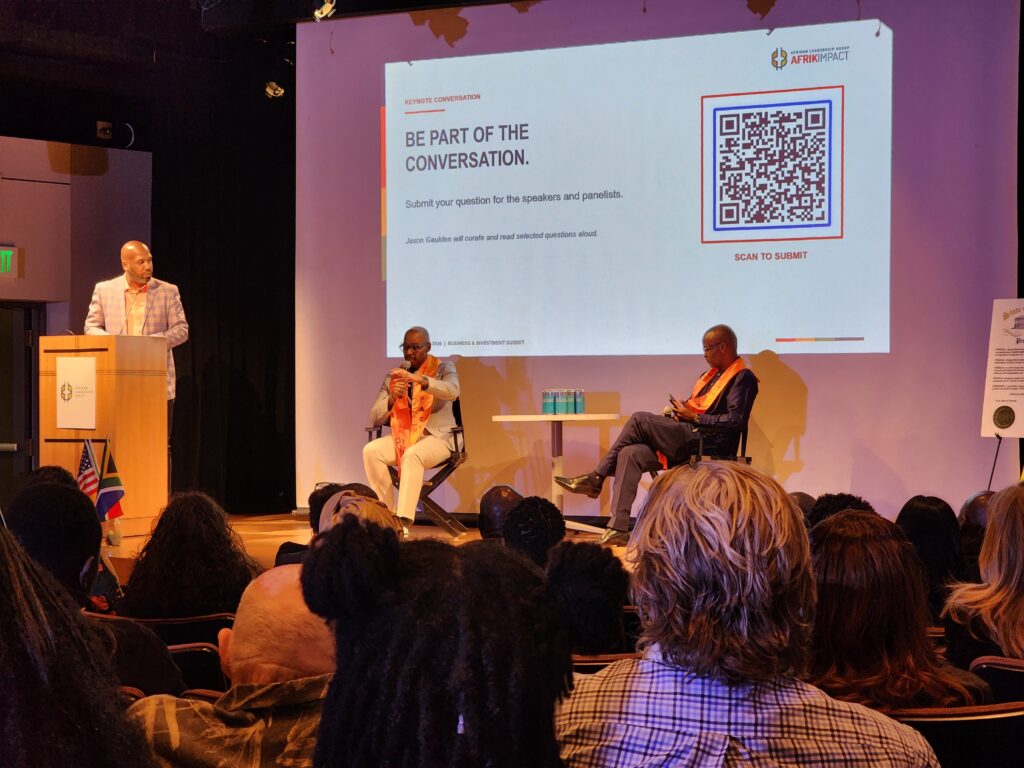
Hosted by Denver’s fabulous Gloria Neal, this wasn’t charity talk. It was investment, dignity, and shared destiny talk. And Denver, through the work of the African Leadership Group (ALG), is right in the middle of it.
A Keynote That Reframed the Room
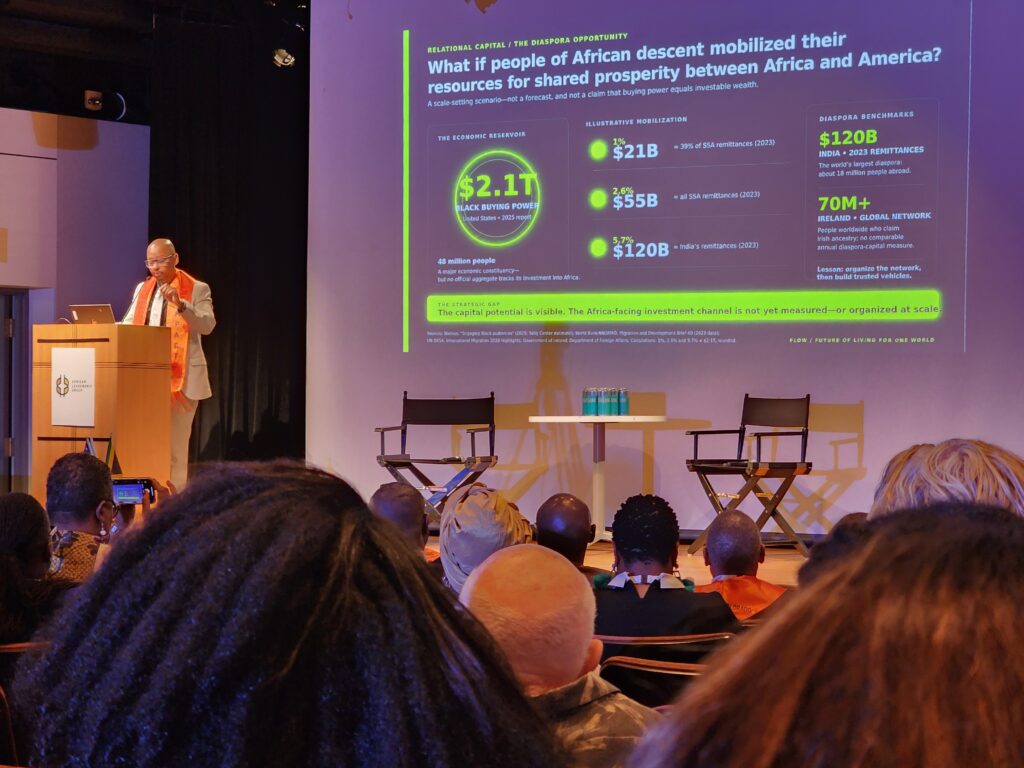
Architect and strategist Mokena Makeka opened the summit with a keynote that felt less like a speech and more like a civic intervention. He challenged the room to rethink what “development” even means.
“Africa is not a problem to be solved. It is a dynamic space of opportunity.”
Makeka reminded us that cities are expressions of political will, social trust, and economic intent. “Infrastructure is not only roads and utilities. Infrastructure is also trust. It is the ability to connect people to opportunity.”
What I heard was a call to recognize that Africa’s future will be shaped by imagination, institutions, and partnership, not pity, charity, or imported solutions. And the diaspora, he insisted, is not a donor base. It is a strategic partner.
Later, in conversation with Papa Dia, Makeka added one of the night’s most resonant insights: “Leadership is not only about office or capital. It is about convening, building bridges between sectors, generations, and geographies.” Denver, he suggested, is becoming one of those bridges.
Africa Isn’t Waiting And Neither Should We
Senegal’s Consul General, His Excellency Demba Camara, followed with a message that echoed Makeka’s urgency.
“We want partnership… not to be driven by other people. The future of Africa will not be written by spectators.”
He spoke of a continent full of educated, ready‑to‑work talent, professors, engineers, entrepreneurs, whose potential is too often ignored in Western narratives. Most powerfully, he rejected the idea that Africa’s story will be written elsewhere: “The future of Africa will be written by personal belief… in your career.”
In other words: if you are in the room and that room happened to be in Colorado, you are no longer an observer. You are a participant.
Of Sardines, Supply Chains, and a Billion‑Dollar Reality Check
Then came Dr. Cheikh Mboup, who managed to turn global trade into a comedy sketch with a serious punchline.
“Have you noticed the empty sardine shelf at Costco? Senegal is the number one producer of sardines in the world.”
In that simple juxtaposition—the empty American shelf and the overflowing Senegalese coast—he exposed how flawed our mental map of risk and opportunity can be. We see fragility; he sees supply and demand begging to be connected.
He described Senegal’s investment facilitation agency, Apex, as a place where bureaucracy doesn’t suffocate ambition.
“Licensing fees: zero. Taxation: zero. Customs fees: zero. What matters is creating conditions where investment becomes transformative.”
His vision was loud: “We will reach $1.5 billion in trade by 2035… because the relationship now benefits both nations.”
Rebranding Africa, Reclaiming Power
Next came Ken Floyd, whose life journey from Mississippi hardship to Xcel Energy executive to Senegal investor, brought the room to a hush. “To defeat perception, you must be present. Only your two feet and your own eyes can help you defeat it.”
It was the kind of line that makes you rethink your travel budget.
When Dr. M. Ibrahima Nour Eddine Diagne took the microphone, he offered something rare in discussions about Africa: a long memory and technical detail. He contrasted two realities:
“When a dream starts in a room in the U.S., there is a lot of chance that dream becomes something that will end up at the stock market. And when the same dream starts in a room in Africa, there is a lot of chance that the dream stays in the same room.”
His point was not pessimism. It was a call for institutional will, continental integration, and systems that allow African innovation to scale rather than stall.
Monica LaBiche Brown closed the panel with a powerful reflection on how Africans and African Americans have been conditioned to misunderstand each other.
“When we see Africa through a Western lens, and African Americans through an African lens, it has been orchestrated. We must rebrand Africa as a place of opportunity.”
Her message was that unity is not automatic. It must be built intentionally. And when it is built, “our power is significant.”
Policy, Perception, and the Power of Showing Up
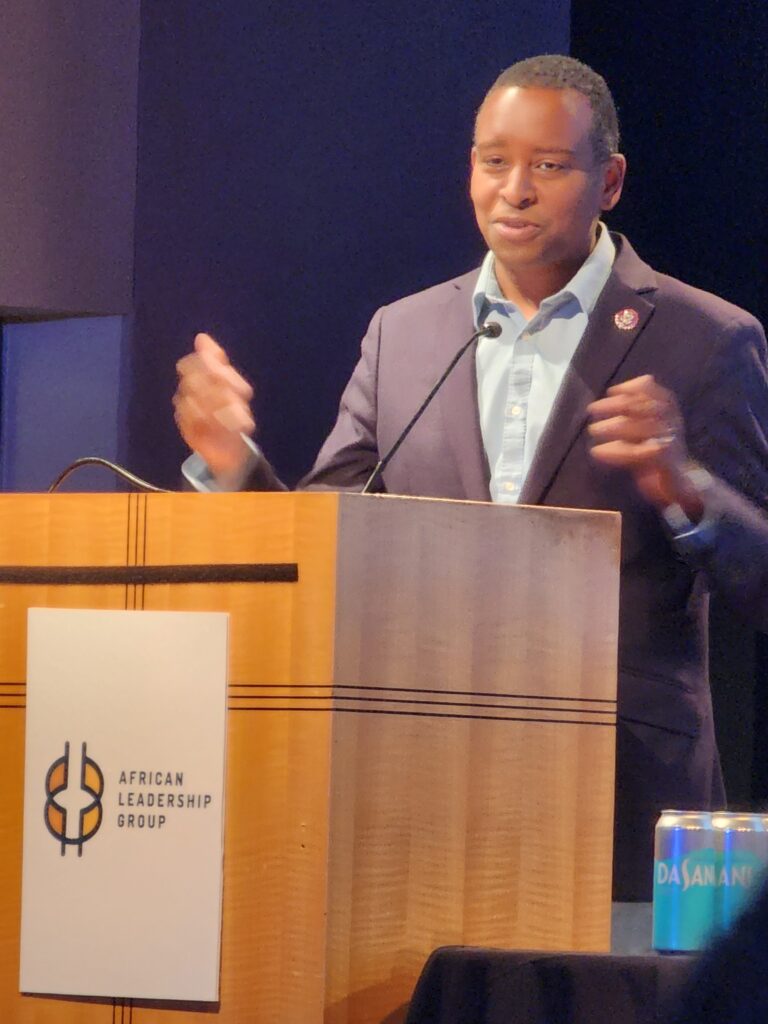
One of the ALG summit’s goals was for elected public office holders to speak about their policy priorities for Africa at their respective levels of leadership. Colorado’s own Congressman Joe Neguse stepped up, speaking as both a policymaker and a son of the African diaspora.
“There is not a day that goes by that I am not working to advance the mutually beneficial relationship we are building.”
He acknowledged the frayed state of U.S.–Africa relations but pointed to real wins, like the extension of AGOA. And he issued a challenge to Denver’s universities:
“Educational partnerships have atrophied. There is no better time than the present to rebuild them.”
The New Mandate
By the end of the summit, the speakers had sketched out a new playbook: infrastructure, health, energy, data, agriculture, mentorship. They had drafted a blueprint of where Colorado and African nations can build something real.
Makeka’s keynote tied it all together: Africa’s future will be determined by imagination and partnership. Opportunity exists. Innovation exists. Talent exists. The task now is to organize those assets into systems that work.
As I left the summit, I realized this wasn’t just another event to cover. It was a mirror held up to Denver, asking whether we are ready to move beyond charity‑only models and into dignity‑centered, mutually beneficial partnership.
Africa isn’t waiting. And after this summit, diaspora Africans have no excuse to sit on the sidelines either.