
 By
By In an unprecedented financial and diplomatic gamble, South Africa has issued an ultimatum to its continental neighbors: pay for the return of your citizens, or bear the political strain of an escalating crisis.
Presenting formal invoices to foreign governments—including Malawi, Ethiopia, and Nigeria—Pretoria requested full reimbursement for airfare, overland transport, temporary holding facilities, and immigration personnel overtime. The bill, exceeding $18 million in recent months alone, marks a stark shift in how Africa’s most industrialized economy handles the complex dynamics of regional migration.
The Fiscal Strain of Mass Removal
Speaking to lawmakers, Home Affairs Minister Leon Schreiber labeled the ballooning costs “unforeseen and unavoidable,” pointing to an emergency allocation forced by rapid enforcement pushes. The fiscal squeeze comes on the heels of Operation New Broom, a high-intensity state campaign launched in May 2025 utilizing biometric mapping and mass surveillance technology to sweep urban centers, industrial hubs, and informal settlements.
Since March, an estimated 178,000 African migrants have either been formally deported or forced to flee South Africa under mounting state and social pressure. Over 80,000 currently languish in holding centers, including the prominent Lindela Repatriation Centre outside Johannesburg, awaiting formal exit flights or bus convoys.
The state argues that maintaining thousands of detainees in holding centers drains municipal coffers and stretches public infrastructure. However, sending the bill directly to origin capitals transforms a domestic enforcement headache into a high-stakes diplomatic standoff.
Shadows over the Sanctuary: Vigilantism and Structural Vulnerability
For decades, South Africa served as an economic anchor and political asylum hub for individuals fleeing conflict, climate distress, and state repression across Sub-Saharan Africa. Yet, behind its liberal constitution lies a deep-seated structural friction.
Foreign nationals often occupy precarious niches in the informal economy—operating spaza shops, working in agriculture, or filling low-wage service roles. These positions frequently expose them to labor abuses below statutory minimum wages, while simultaneously drawing resentment from local communities battling youth unemployment rates upwards of 40%.
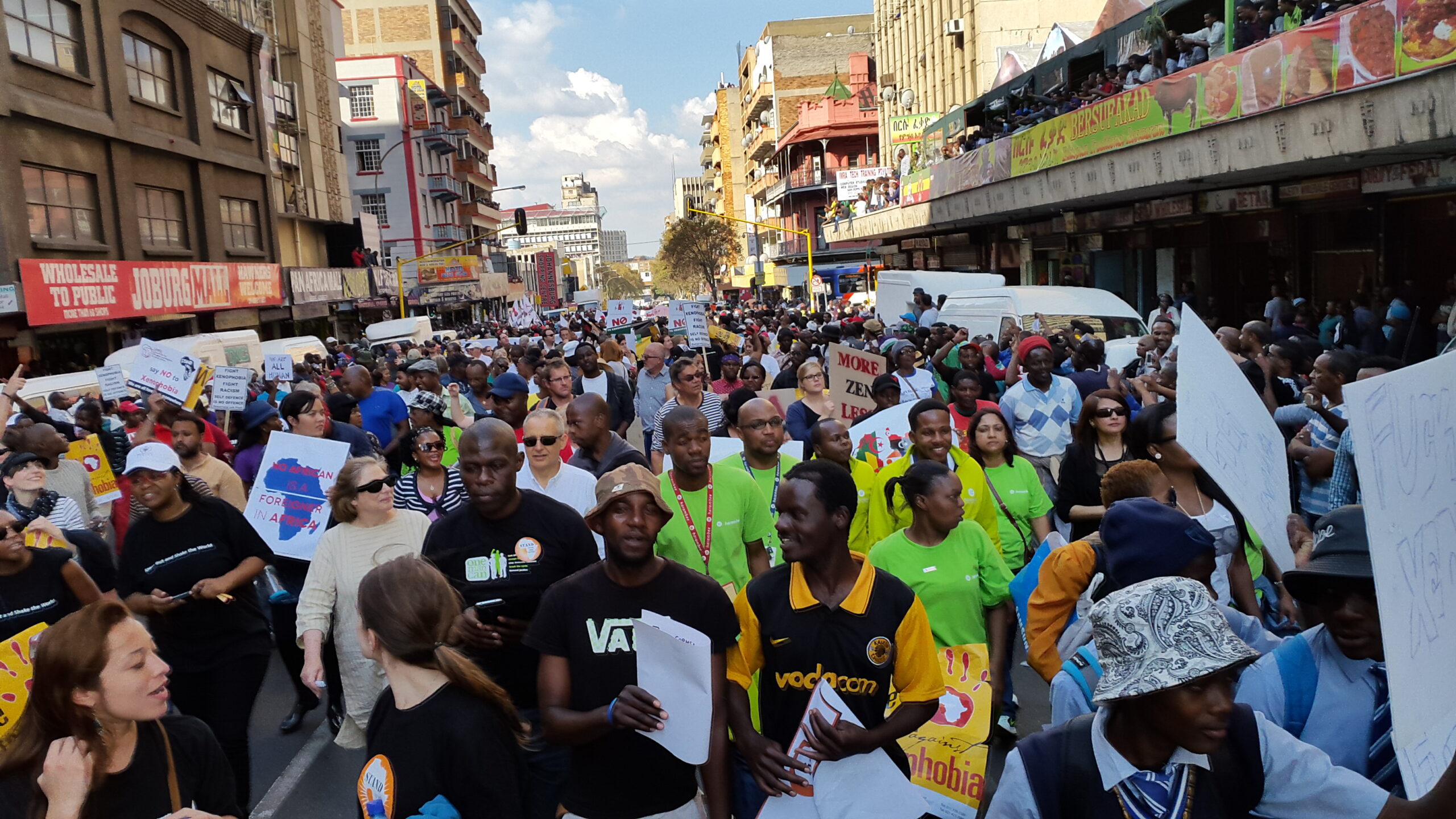
In recent months, informal vigilante groups escalated their rhetoric, issuing arbitrary deadlines—such as a June 30 ultimatum demanding all foreign nationals leave designated townships. The deadline triggered a wave of coordinated attacks, property looting, and fatal violence targeting foreign-owned small businesses.
Critics argue that the South African Police Service (SAPS) has demonstrated a troubling double standard: acting passively when foreign-owned businesses are looted, while aggressively deploying multi-agency forces to arrest undocumented worker populations.
The Diplomatic Paradox of Pan-Africanism
The crisis presents a profound political dilemma for President Cyril Ramaphosa. Addressing the Pan-African Parliament, Ramaphosa condemned xenophobic violence and cautioned against turning vulnerable communities into political scapegoats. However, his administration’s legislative trajectory tells a more complex story.
In July, President Ramaphosa formally adopted a five-point plan to tighten border controls and streamline removals. While designed to reassure a frustrated domestic electorate ahead of local political cycles, rights groups contend that policy frameworks like Operation New Broom legitimize the very xenophobic narratives the government claims to oppose.
Diplomatically, demanding that countries like Ethiopia, Malawi, and Nigeria pay millions for South Africa’s deportation drives threatens to fray relationships within the African Union (AU). Many recipient nations face severe currency shortages, domestic conflicts, and high inflation rates of their own; receiving tens of thousands of abruptly returned citizens with a invoice attached risks triggering secondary economic shocks across Southern and Eastern Africa.
An Uncertain Regional Horizon
As bus convoys continue to move toward border posts at Beitbridge and Lebombo, the broader implications of Pretoria’s policy are becoming clear. By pairing public surveillance technologies with aggressive cost-recovery demands, South Africa is attempting to set a new precedent for border management on the continent.
Yet, treating human mobility strictly through a fiscal lens fails to resolve the underlying drivers of migration: systemic inequality, regional conflict, and unyielding economic demand for informal labor. Unless regional leaders establish a cohesive, human-rights-centered framework for labor mobility, South Africa’s $18 million deportation bill may mark only the down payment on a much larger regional crisis.