
 By
By There is a distinct moment in the heartbeat of any major African city—whether it is the chaotic, kinetic hum of Lagos, the coastal breeze of Accra, or the vibrant pulse of Johannesburg—when the air itself seems to thicken with rhythm. It is a sound born of survival, joy, defiance, and an unapologetic celebration of identity. Today, that sound no longer echoes merely through crowded street corners, local clubs, or open-air neighborhood jams. It reverberates across international stadiums, dominates global streaming algorithms, and dictates the pulse of pop culture from London to Los Angeles.
To speak of Afrobeat and its contemporary sibling, Afrobeats, is to trace a grand, generational arc of cultural reclamation. It is the story of how African creators took local instruments, indigenous polyrhythms, and the raw experiences of post-colonial life and engineered a global musical revolution that forever transformed the entertainment scene.
The Roots of Rebellion: Fela, Fire, and the Shrine
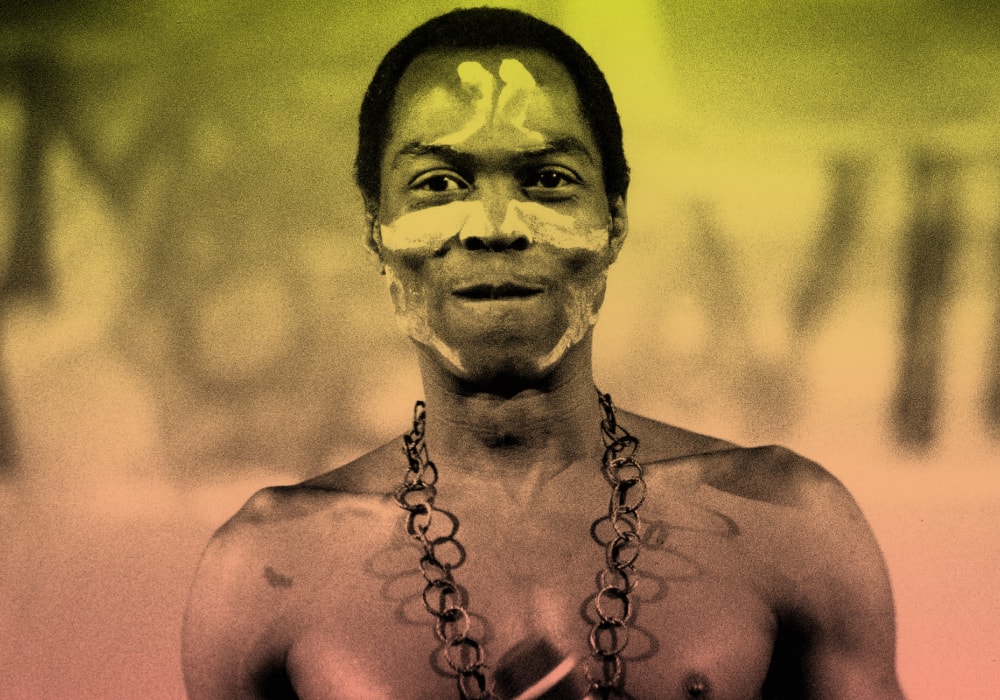
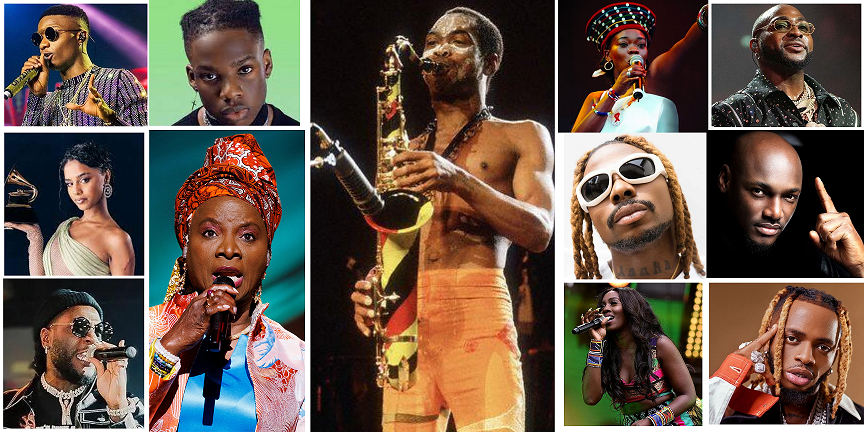
To understand the global triumph of modern African music, one must return to the crucible from which it emerged. In the late 1960s and 1970s, a visionary Nigerian multi-instrumentalist named Fela Anikulapo-Kuti, alongside the ingenious master drummer Tony Allen, forged a radical new sound. Fela fused the swinging, brass-heavy optimism of Ghanaian highlife, the complex harmonies and improvisational freedom of American jazz, and the deep-seated, percussive soul of traditional Yoruba chants.
This was Afrobeat—singular, capitalized, and politically ferocious.
Fela’s music was never meant to be background noise for polite cocktail parties. It was a weapon. Operating out of his communal compound, the Kalakuta Republic, Fela used his platform to skewer military dictatorships, systemic corruption, and neo-colonial hypocrisy. Tracks like Zombie, Water No Get Enemy, and Coffin for Head of State stretched across twenty-minute epics, driven by hypnotic horn sections, infectious basslines, and call-and-response vocals that compelled listeners to move their bodies while challenging their minds.
Fela taught the world that African rhythm was intellectually rigorous, politically potent, and deeply spiritual. Though he faced brutal state persecution, beatings, and imprisonment, his ideology planted a seed of creative independence that would take decades to fully bloom. He proved that African art could look the Western hegemony in the eye and refuse to blink.
The Great Metamorphosis: From Underground Shrine to Global Stage
As the decades turned, the rigid political urgency of classic Afrobeat evolved. In the 2000s, a new generation of African youth armed with digital workstations, cheap synthesizers, and an appetite for global pop began blending Fela’s foundational bounce with elements of American hip-hop, dancehall, R&B, and reggae. This pluralized genre—Afrobeats (with an “s”)—was born.
Pioneers like 2Face Idibia (now 2Baba) with his timeless anthem African Queen, D’banj, and Don Jazzy injected a vibrant, youthful optimism into the scene. They traded political polemics for themes of romance, hustle, celebration, and luxury, capturing the everyday triumphs of young Africans navigating complex realities. Music videos shifted from gritty documentary-style footage to sleek, high-budget productions featuring intricate choreography that rivaled anything coming out of Hollywood or Kingston.
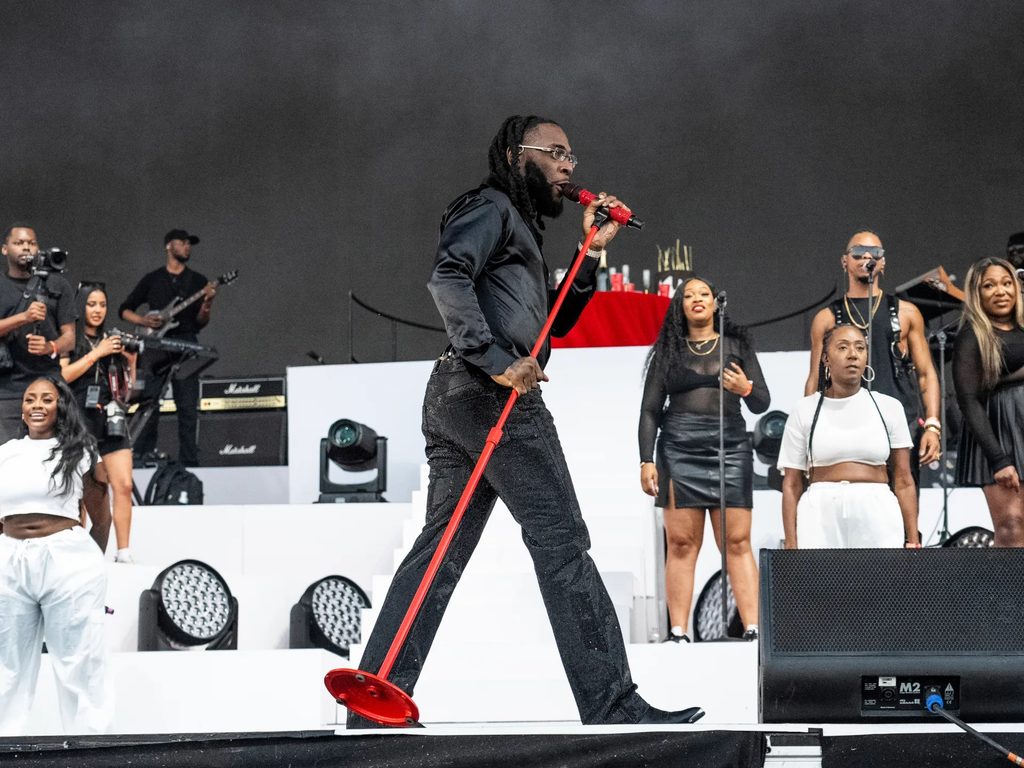
By the 2010s, the movement achieved a critical mass. The digital democratization of music distribution allowed African artists to bypass traditional Western gatekeepers. Wizkid’s breezy cadence on Drake’s global megahit One Dance, Davido’s infectious party anthems like If and Fall, and Burna Boy’s uncompromising fusion of dancehall, afrobeat, and rap signaled a seismic shift. African music was no longer a regional novelty; it was the new mainstream.
Rewriting the Rules of the Global Entertainment Industry
Today, the footprint of Afrobeats on the global entertainment ecosystem is profound and structural. It has forced the international music industry to redesign its framework.
- The Streaming and Chart Economy: Platforms that once pigeonholed African music into narrow “world music” categories have had to create dedicated global charts. African artists routinely shatter streaming records, filling iconic venues like the O2 Arena in London, the Accor Arena in Paris, and Madison Square Garden in New York.
- The Institutional Recognition: The introduction of categories like the Grammy Award for Best African Music Performance stands as a testament to the undeniable commercial and artistic weight of the genre.
- Cross-Continental Synergy: Global superstars—from Beyoncé (whose The Lion King: The Gift album served as a major masterclass in platforming African talent) to Justin Bieber, Ed Sheeran, and Selena Gomez—actively seek out Nigerian and Ghanaian collaborators, recognizing that the rhythmic sauce of Afrobeats breathes new life into stagnant Western pop formulas.
Furthermore, the influence extends far beyond audio speakers. Fashion, dance, and lifestyle have been completely revolutionized. Viral dance challenges originating on TikTok and Instagram showcase complex, high-energy African street dances—from Zanku and Gwara Gwara to Marlians moves—to billions of viewers worldwide. High-fashion runways in Milan and Paris increasingly draw inspiration from the vibrant, luxurious, and bold aesthetics of African creatives, who merge traditional textiles with avant-garde streetwear.
The Human Heartbeat: Independence, Community, and the Future
At its core, the triumph of Afrobeat and Afrobeats is a deeply human story. It is a testament to resilience in the face of infrastructural deficits, erratic power supplies, and historical underinvestment. For decades, African artists had to build their own recording studios, fund their own videos, and create their own independent distribution networks because the formal corporate structures simply weren’t there.
This DIY spirit has forged a uniquely collaborative and fiercely independent generation of artists. Today, superstars are pivoting to build their own record labels, signing global distribution deals rather than exploitative 360-degree contracts, and retaining ownership of their masters. They are establishing creative hubs in Lagos, Accra, Nairobi, and Johannesburg that rival creative centers in Los Angeles or London.
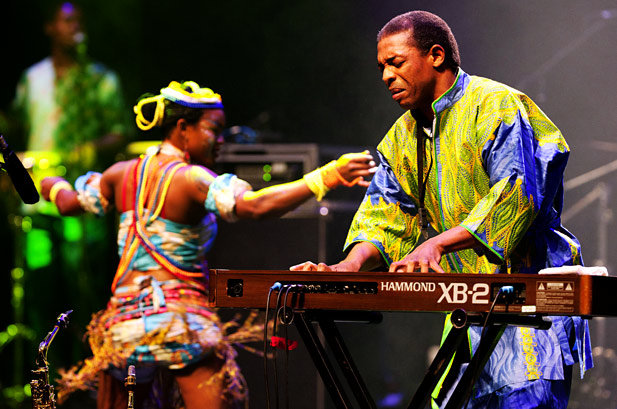
As we look toward the future, the sound continues to mutate and expand. The integration of South Africa’s pulsating Amapiano log-drums into mainstream Afrobeats sets demonstrates a continent-wide cross-pollination of sound that is richer and more unified than ever before. Artists like Rema, Asake, Tems, Burna Boy, and Ayra Starr are not just pop stars; they are cultural ambassadors carrying the historical weight of a proud continent onto global stages, from World Cup opening ceremonies to international film scores.
Epilogue: A Sound That Cannot Be Contained
Afrobeat started as the solitary cry of a saxophone in a dimly lit Lagos nightclub, fighting against the tyranny of oppression. Today, that saxophone’s legacy has multiplied into a symphony of billions, echoing across every continent on Earth.
It has reshaped the global entertainment scene not by diluting its essence to fit foreign palates, but by remaining uncompromisingly, beautifully, and proudly African. In doing so, it has given the world something it desperately needed: a universal language of unadulterated joy, rhythmic healing, and unbreakable human spirit.