
 By
Before you vote, see what your choices could mean.
We want to help you understand not just what's on the ballot, but what could happen afterward. Colorado Tradeoffs lets you test the choices, see the budget implications, and decide how you would respond.
Give it a try below. It takes less than 10 minutes.
The US, China and Russia are vying for Africa’s mineral wealth, raising questions about who stands to benefit
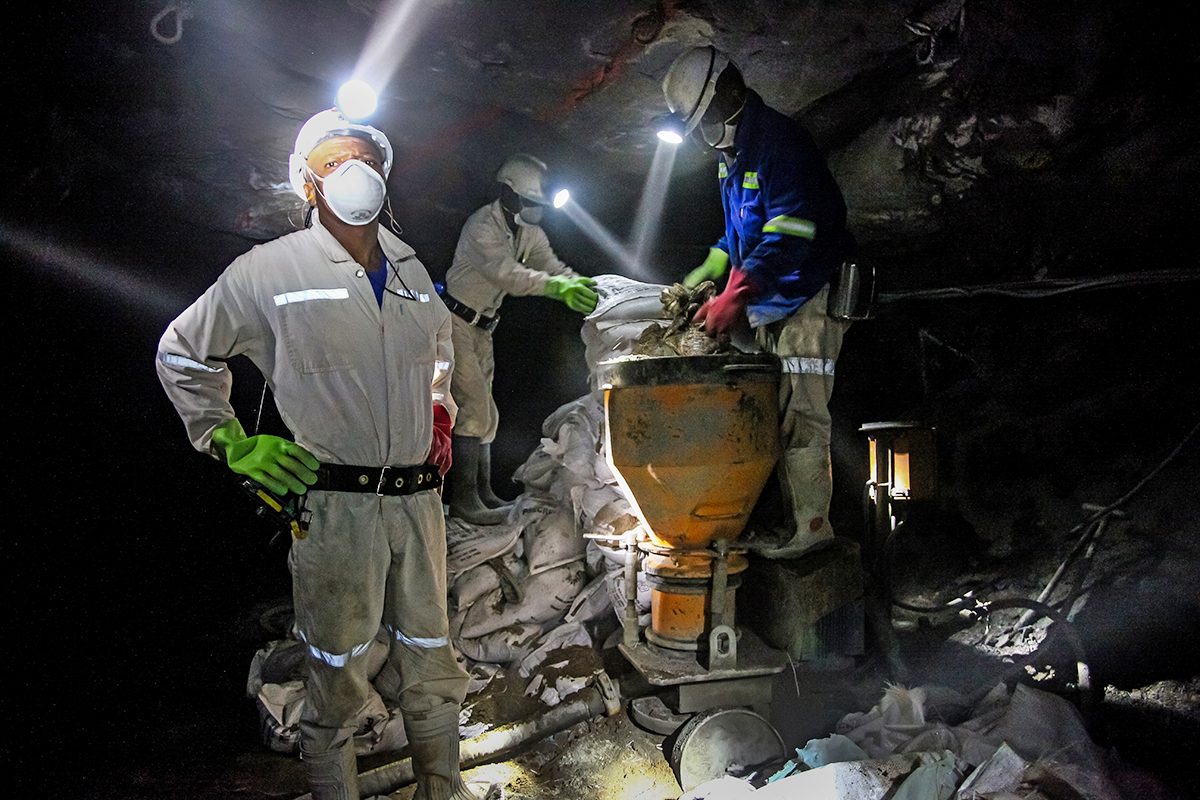
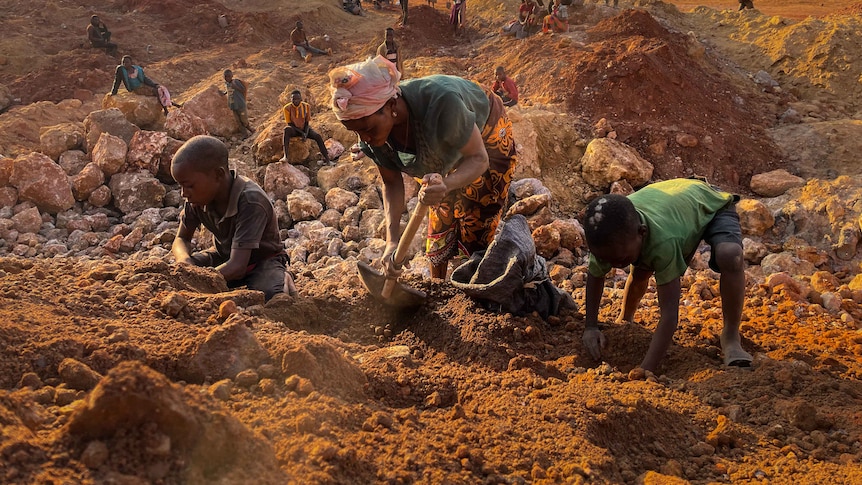
In the red-dust copper towns of Zambia’s Copperbelt, along the sun-baked lithium hills of Zimbabwe, and across the restless, gold-streaked expanses of the Sahel, the future of the twenty-first-century global economy is being dug out of the earth.
Modern civilization—from electric vehicles and grid-scale batteries to hypersonic missiles, semiconductors, and artificial intelligence data centers—runs on a periodic table of critical minerals. Cobalt, lithium, copper, manganese, graphite, uranium, and rare earth elements are no longer niche industrial commodities; they are the foundational currency of geopolitical power. And roughly 30 percent of the world’s known reserves lie beneath African soil.
For decades, the story of African extraction followed a familiar, lopsided script: raw ore left the continent on foreign ships, while the wealth generated from refining and manufacturing accrued thousands of miles away. Today, however, a fierce three-way rivalry between the United States, China, and Russia has transformed Africa’s mining sector into one of the world’s most consequential arenas of great-power competition. Each superpower arrives with a distinct playbook, a different appetite for risk, and a competing vision of global order. Yet as Washington, Beijing, and Moscow jockey for control over mines, railways, and ports, African nations are increasingly refusing to play the role of passive spectators.
Beijing’s Long Game: Dominance Through Infrastructure and Refining
If the global race for critical minerals is a marathon, China started running while its rivals were still lacing their shoes. Over the past two decades, Beijing methodically built an unmatched foothold across Africa’s extractive landscape, pairing state-backed financing with vast engineering capacity.
China’s strategy has never been merely about owning mines; it has been about controlling the entire supply chain. Through the Belt and Road Initiative and billions of dollars in concessional loans, Chinese state-owned enterprises and private conglomerates constructed the roads, power plants, and ports needed to move heavy ore from remote African interiors to coastal shipping lanes. By last year, bilateral trade between China and Africa surged to a record $348 billion, cementing Beijing’s status as the continent’s largest trading partner.
Nowhere is this dominance clearer than in the Democratic Republic of the Congo (DRC), which supplies roughly three-quarters of the world’s cobalt. Chinese firms control the majority of the DRC’s industrial cobalt and copper output, shipping raw and semi-processed material back to China, where Beijing controls upwards of 60 to 90 percent of global refining capacity for key battery metals and rare earths. In Zimbabwe and Mali, Chinese companies moved swiftly into hard-rock lithium, investing hundreds of millions of dollars to secure feedstock for China’s booming electric vehicle industry.
That near-monopoly over processing gives Beijing extraordinary geopolitical leverage. When trade tensions flare, China has demonstrated its willingness to wield export controls on gallium, germanium, graphite, and rare earth processing technologies as a strategic pressure valve—reminding Washington and Brussels that green transitions and defense industries alike depend on Chinese refineries.
Washington’s Counteroffensive: Corridors, Stockpiles, and Deal-Making Diplomacy
For years, Western policymakers watched China’s methodical consolidation with growing alarm, hamstrung by private-sector risk aversion and sluggish development finance. That complacency has given way to an aggressive, state-backed counteroffensive from Washington.
Recognizing that American companies cannot out-subsidize Chinese state conglomerates mine by mine, the United States has shifted its focus toward strategic logistics, diplomatic deal-making, and supply-chain diversification. In February 2026, Washington underscored this urgency on two fronts: convening a landmark 54-nation Critical Minerals Ministerial to forge allied supply-chain pacts, and unveiling Project Vault, a $12 billion federal initiative to build a strategic domestic mineral stockpile shielded from foreign market manipulation.
On the ground in Africa, America’s flagship counterpunch is physical infrastructure. The U.S. and European Union have poured hundreds of millions of dollars into rehabilitating and expanding the Lobito Corridor—a 1,300-kilometer railway stretching from the copper and cobalt heartlands of the DRC and Zambia to the Atlantic port of Lobito in Angola. For decades, minerals from central Africa flowed east toward Indian Ocean ports bound for China. The Lobito Corridor is engineered to reorient that gravity westward, slashing transit times from weeks to days and creating a Western-aligned artery to Atlantic markets.
At the same time, the U.S. International Development Finance Corporation (DFC) has stepped up direct financing for non-Chinese projects, including a conditional $414 million commitment in September 2026 for Niger’s Dasa uranium project—a bold play to keep nuclear fuel supply lines open even in a country where Russian military influence has surged.
Yet Washington’s transactional push has not been without friction or controversy. In Zambia, a massive multi-year U.S. health assistance package finalized in October 2026 sparked scrutiny from U.S. lawmakers over allegations that American diplomats sought to link development aid to preferential copper access—a claim the State Department firmly denied, though it highlighted how tightly aid, diplomacy, and resource security have become intertwined. Meanwhile, African leaders have repeatedly pressed Washington to move faster from summit pledges to steel in the ground.
Moscow’s Asymmetric Playbook: Security for Gold and Uranium
Unlike China and the United States, Russia lacks the financial firepower to bankroll multi-billion-dollar railways or sprawling industrial processing complexes. Instead, Moscow has mastered an asymmetric, low-cost, high-impact model: trading regime security for resource concessions.
Across the Sahel and Central Africa—particularly in Mali, Burkina Faso, Niger, and the Central African Republic—Russia has capitalized on anti-Western sentiment and chronic insurgency. Through the state-controlled Africa Corps, which absorbed the operations of the Wagner mercenary network under the direct oversight of Russia’s Ministry of Defense, Moscow offers military juntas personal protection, counterinsurgency fighters, and diplomatic cover in exchange for access to lucrative mining rights.
Gold sits at the center of Russia’s African strategy. Cut off from Western financial systems by sweeping sanctions, the Kremlin has relied on artisanal and industrial gold mines across Mali, Sudan, and the Central African Republic to generate off-the-books revenue and bolster bullion reserves. Russian-linked firms have also moved aggressively to challenge Western nuclear fuel interests in Niger, one of the world’s top uranium producers, threatening European energy security while expanding Moscow’s geopolitical footprint in a region long considered a Western sphere of influence.
Russia’s footprint may be a fraction of China’s in dollar terms, yet its ability to disrupt Western supply chains and entrench itself inside fragile states makes it a potent spoiler in the global resource race.
Africa’s Awakening: From Pit to Plant
Amid this intensifying three-way tug-of-war, the most decisive shift is occurring within Africa itself. Across the continent, governments are increasingly unwilling to remain mere quarries for foreign industrial revolutions.
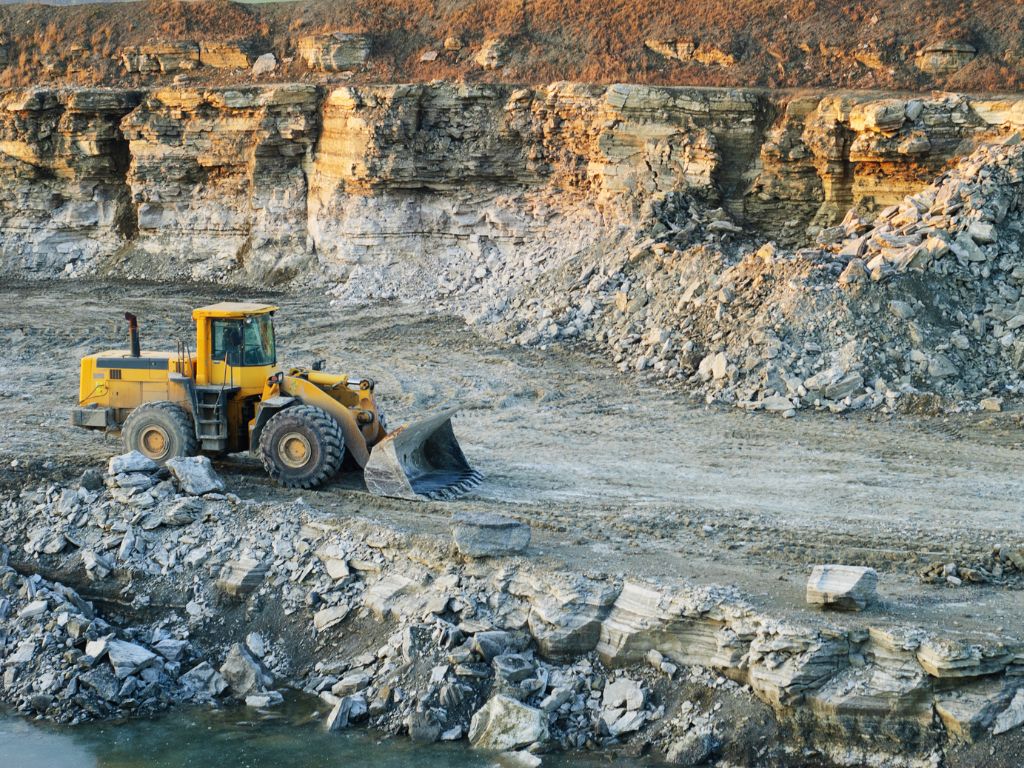
Empowered by competing suitors, African policymakers are rewriting mining codes, revoking dormant licenses, and demanding value addition—the processing and refining of minerals before they ever leave African shores. Zimbabwe, Namibia, and Ghana have instituted bans or strict restrictions on the export of unprocessed lithium and critical ores, forcing foreign investors to build local concentrators and refineries. In Gabon, new rare earth developments slated for construction in 2027 are explicitly structured around domestic processing facilities rather than raw exports. In Kinshasa, DRC officials have urged both Washington and Beijing to pair mining investments with grid electrification and local battery-precursor manufacturing.
The prize at stake is staggering. Raw bauxite, lithium spodumene, or cobalt hydroxide captures only a tiny fraction of the final value of an electric vehicle battery or wind turbine. Keeping even a modest share of refining and component manufacturing on the continent could generate millions of skilled jobs, stabilize volatile national currencies, and finally break the colonial-era commodity trap.
Still, geology alone does not guarantee prosperity. Transforming ore into industrial wealth requires reliable electricity, transparent governance, technical training, and regional cooperation across borders. Without strong institutions, intense foreign competition risks fueling corruption, environmental degradation, and local conflict—turning a generational opportunity into another chapter of the familiar resource curse.
The Verdict of the Ground
Walk through the bustling freight yards of Lobito, the guarded gold compounds of northern Mali, or the sprawling copper pits of Kolwezi, and one truth becomes unmistakable: the global energy transition and the next era of technological supremacy cannot happen without Africa.
Washington brings capital markets, allied coalitions, and grand infrastructure corridors. Beijing brings unmatched industrial scale, speed, and refining dominance. Moscow brings hard security and ruthless geopolitical opportunism. Yet the ultimate outcome of this new scramble will not be decided in the cabinet rooms of Washington, Beijing, or Moscow. It will be decided in the ministries, parliaments, and mining communities of Africa—and by whether the continent’s leaders can turn fierce superpower rivalry into lasting, homegrown prosperity.