 By
Before you vote, see what your choices could mean.
We want to help you understand not just what's on the ballot, but what could happen afterward. Colorado Tradeoffs lets you test the choices, see the budget implications, and decide how you would respond.
Give it a try below. It takes less than 10 minutes.
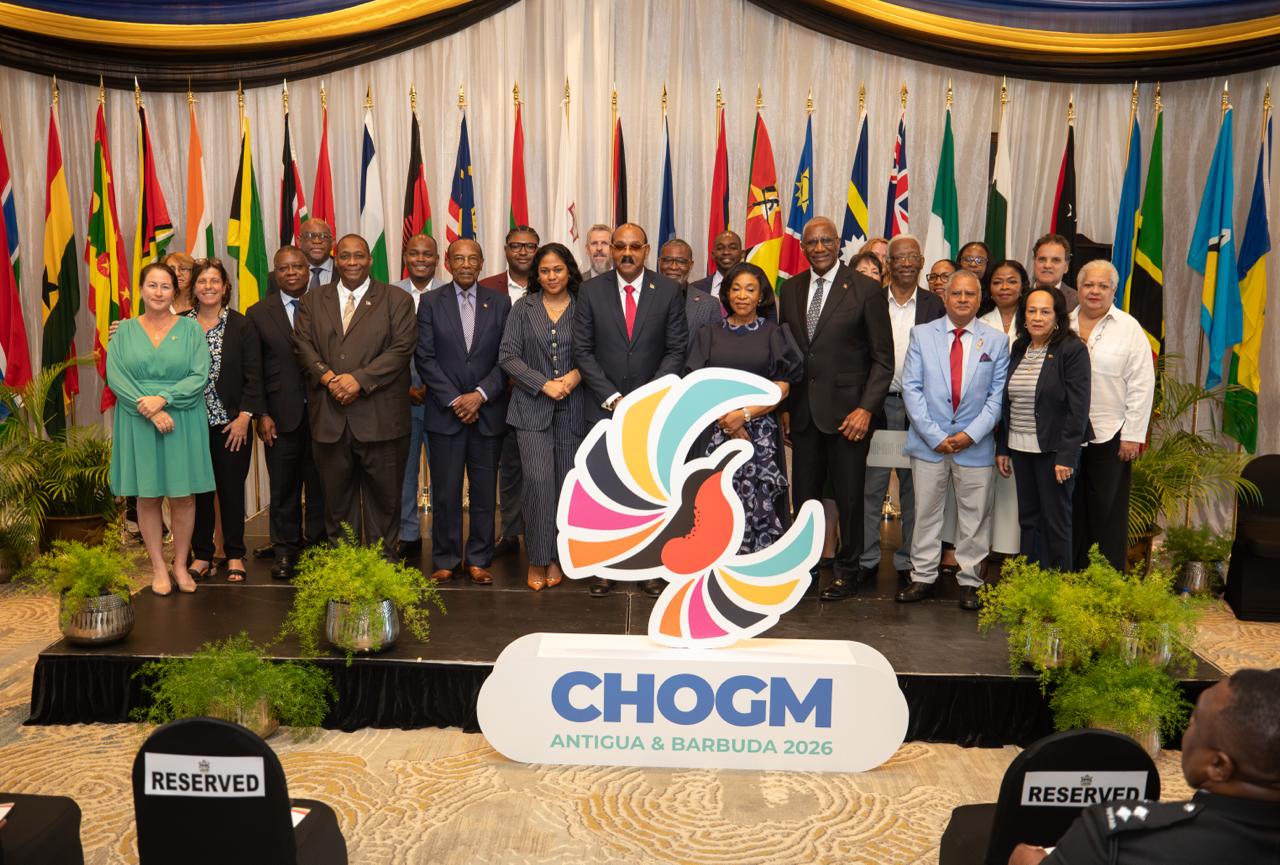
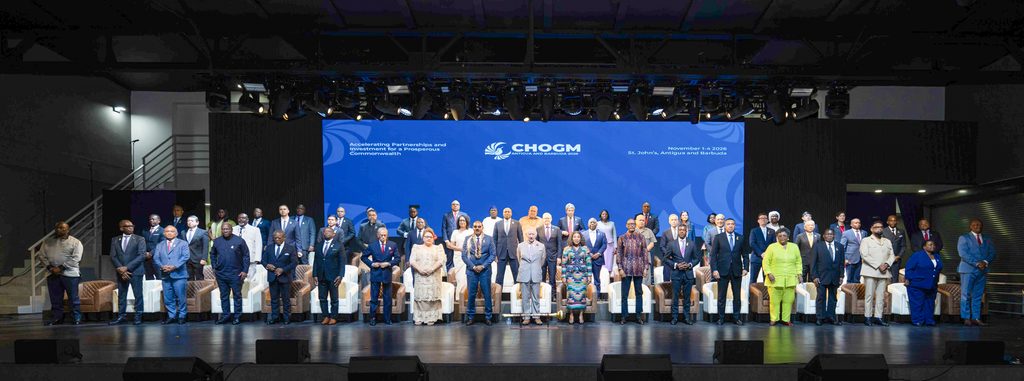
ST. JOHN’S, Antigua and Barbuda — Under the warm Caribbean sun in St. John’s, the 28th Commonwealth Heads of Government Meeting (CHOGM 2026) launched this week under the ambitious banner of “Accelerating Partnerships and Investment for a Prosperous Commonwealth.”
Delegates in tailored suits and traditional attire moved across the conference halls of the American University of Antigua, their handshakes captured by the international press corps.
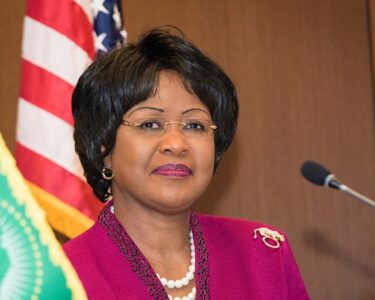
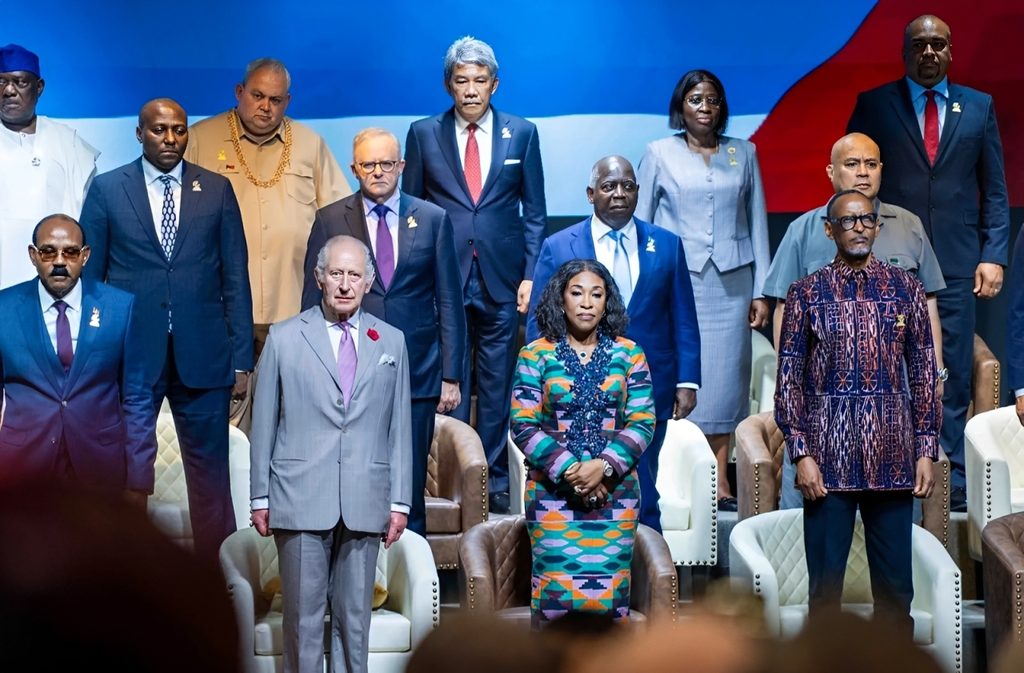
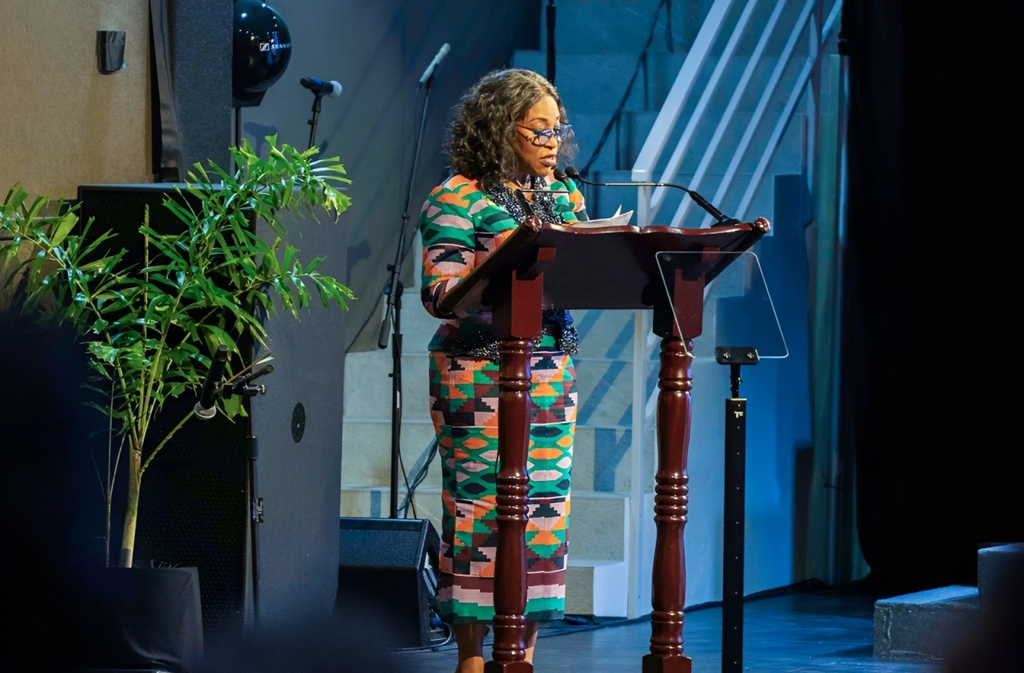
At the center of the diplomatic hum stood the newly installed Commonwealth Secretary-General, Shirley Ayorkor Botchwey of Ghana. Her presence alone served as a visible reminder of Africa’s vast footprint within this 56-nation association.
Yet behind the ceremonial photo opportunities and the polished reaffirmations of shared values lies an unmistakable tension—and an unprecedented crossroads for Africa.
With 21 member nations accounting for nearly 40 percent of the Commonwealth’s total membership, the African bloc represents the organization’s demographic engine and its most critical frontier for economic expansion. But as CHOGM 2026 unfolds, a crucial question hangs over African delegations: Will this summit yield tangible economic leverage for the continent’s 1.4 billion people, or will it remain another performative exercise in post-colonial diplomacy?
The Promises on the Table: What Africa Stands to Gain
For African member states—stretching from Nigeria and Kenya to South Africa, Rwanda, and Mozambique—CHOGM 2026 comes at a time of severe global economic headwinds. Geopolitical fragmentation, rising debt burdens, and escalating climate impacts have severely hit developing economies.
Within the halls of St. John’s, the tangible opportunities for Africa center around three primary pillars:
Expanding Intra-Commonwealth Trade
Intra-Commonwealth trade currently hovers around $900 billion annually, with Secretary-General Botchwey setting an aggressive target to scale that figure to $2 trillion.
For African countries, the Commonwealth offers a rare network that bypasses traditional regional silos. The “Commonwealth Advantage”—a shared legal foundation, common business languages, and similar regulatory frameworks—makes trading between member states roughly 21 percent cheaper than trading with non-members.
If African nations strategically align their participation under the African Continental Free Trade Area (AfCFTA) with Commonwealth trade channels, African businesses can secure preferential access to high-growth markets across the Caribbean, Asia-Pacific, and North America.
Mobilizing Climate Finance and Green Capital
Climate vulnerability is a shared emergency connecting African nations to Small Island Developing States (SIDS) like the summit host, Antigua and Barbuda. CHOGM 2026 features dedicated dialogues between heads of state, international financiers, and green investment funds.
African economies require an estimated $2.8 trillion by 2030 to fulfill their Nationally Determined Contributions (NDCs) under the Paris Agreement. Through the Commonwealth Climate Finance Access Hub, African member states have a direct channel to unlock climate funds, secure technical support, and scale green energy transitions—turning environmental vulnerability into an engine for sustainable jobs.
Harnessing the Youth Dividend and Digital Innovation
More than 60 percent of the Commonwealth’s population is under the age of 30, with the vast majority living in Africa.
At the Commonwealth Youth Forum in St. John’s, delegates called for immediate structural support for Africa’s tech ecosystems. The agenda at CHOGM 2026 highlights digital infrastructure, artificial intelligence integration, and cross-border skills mobility.
For African youth, actionable outcomes mean expanded digital trade corridors, cross-border remote work frameworks, and direct capital allocation for young entrepreneurs turning local problems into scalable businesses.
The Strategic Blueprint: How African Nations Can Become a Unified Powerhouse
Despite its overwhelming demographic weight, Africa has historically underutilized its strategic leverage within the Commonwealth. Too often, African nations have arrived at international summits as individual actors seeking bilateral aid rather than acting as a synchronized power bloc demanding structural reform.
If Africa is to convert its numbers into real geopolitical authority, its Commonwealth member states must adopt a clear, aggressive agenda.
Master the Art of Block Voting and Structural Alignment
Twenty-one votes represent a decisive voting block in any international forum. African Commonwealth leaders must coordinate their positions through the African Union (AU) prior to entering CHOGM sessions.
When Africa speaks with one voice on key policy declarations—whether demanding reforms at the International Monetary Fund and World Bank or steering the election of Commonwealth leadership—its demands become impossible to ignore. A fragmented Africa negotiates from a position of weakness; a unified Africa sets the agenda.
Leverage Critical Minerals for In-Continent Value Addition
The global transition to clean energy relies heavily on Africa’s mineral resources, from lithium and cobalt in Central and Southern Africa to manganese and rare earth elements in West Africa.
African Commonwealth nations must move past raw material exports. At CHOGM 2026, African leaders should insist that trade agreements, corporate investments, and Commonwealth supply chain partnerships include mandatory local processing, technology transfer, and domestic value addition. The continent must no longer settle for supplying raw materials while importing high-value finished products.
Lead the Charge on Reparative Justice and Sovereign Debt Relief
Reparatory justice and sovereign debt restructuring have emerged as major focal points at the 2026 summit. Former colonial powers continue to resist financial reparations, but the momentum driven by Caribbean nations and supported by African leaders has elevated historical injustice into an inescapable policy discussion.
African member nations must form a tight coalition with CARICOM (the Caribbean Community) to press for debt forgiveness, development financing mechanisms, and formal accountability frameworks. Sovereign debt servicing currently consumes funds that African nations desperately need for healthcare, education, and infrastructure. Framing debt relief within the broader framework of reparative justice gives African negotiators powerful moral and economic leverage.
Demand Inclusive Mobility and Fair Visa Regimes
One of the most persistent ironies of the Commonwealth is that while goods and capital are encouraged to move freely, African citizens face severe visa restrictions and discriminatory travel barriers when entering developed Commonwealth nations.
African leaders must use their collective platform to demand fair, streamlined visa policies for African professionals, entrepreneurs, researchers, and students. A true “Commonwealth family” cannot operate on mobility rules that treat African citizens as second-class partners.
The Verdict: From Rhetoric to Results
As the deliberations in Antigua and Barbuda draw to a close and leaders prepare to issue their final communiqué, the true test of CHOGM 2026 will not be measured by the eloquence of its speeches or the beauty of its host venue. It will be measured by what happens when the delegations return home.
For decades, the Commonwealth has hovered between its history as an echo of the British Empire and its potential as a dynamic, modern association of equal partners. With a Ghanaian Secretary-General at the helm and an African continent undergoing rapid economic transformation, the balance of power within the organization is shifting.
Africa possesses the youth, the resources, the trade potential, and the political votes required to reshape the Commonwealth into an engine for global equity. But power is never handed over voluntarily; it must be organized, asserted, and exercised.
If African Commonwealth members leave St. John’s committed to unified action, structural trade demands, and relentless advocacy for their people, CHOGM 2026 will mark a historical turning point—the moment Africa claimed its rightful seat as a dominant architect of the modern global order.