 By
By A closer look at the stories, struggles, and community networks that carried African immigrants through Colorado’s pandemic, and the evidence that finally made their experiences visible.
In early 2024, a group of African immigrant public‑health professionals decided to change the silence surrounding their communities. Through the Denver Africans Building COVID Vaccine Confidence, DAB-CoVaC, a project of the Clinical Trust Foundation funded by the Colorado Department of Public Health and Environment, they spent February to May gathering the kind of information the pandemic desperately needed but never collected. They held focus groups in churches, surveyed hundreds of residents, convened women’s groups, sat with soccer leagues, and listened to families who had followed two pandemics at once: one in Colorado and one back home in Cameroon, Kenya, Sudan, Ethiopia, Liberia, Benin, Congo, and beyond.
This feature is an attempt to stitch those stories together with the evidence they deserve. The initiative was the first structured effort to capture vaccine‑confidence data specifically from African immigrant communities in the Denver metro area. What it uncovered was not just numbers. It was a map of trust, fear, resilience, misinformation, cultural interpretation, and the everyday decisions that shaped survival. It is a journey through what communities believed, what they endured, and what the data finally revealed when someone finally disaggregated it. It is also a reminder that public health is not only about science. It is about people, language, culture, and the relationships through which information actually travels. So come with me as we explore the truths, the myths, the science, and the lessons that emerged when African immigrants in Colorado were counted clearly, respectfully, and in their own voices.
The Invisible Frontline
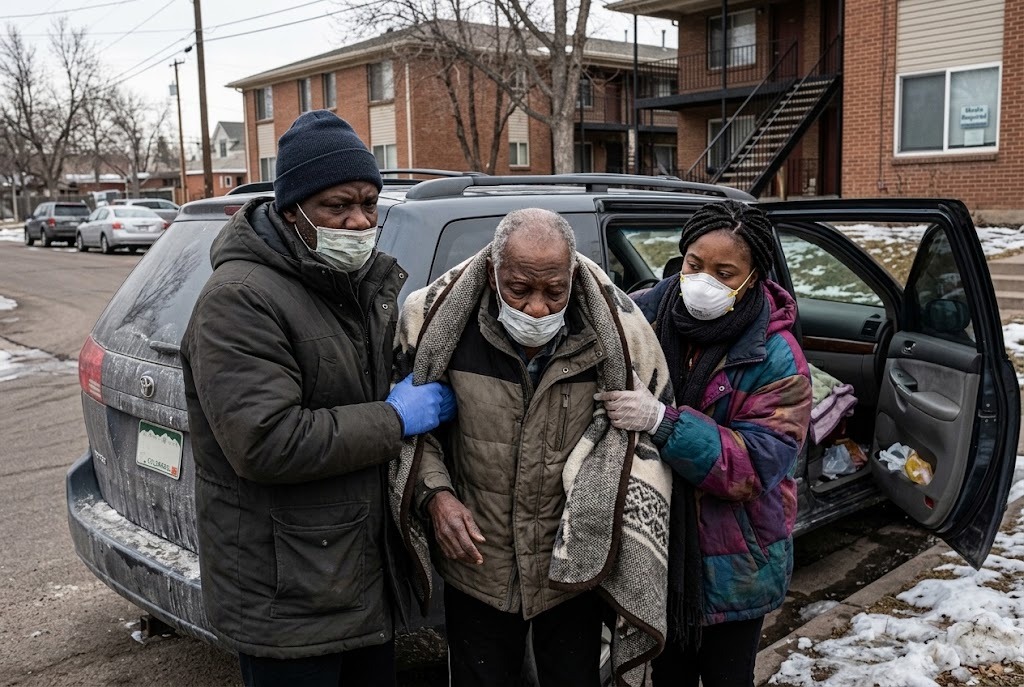
When the pandemic swept through Colorado, African immigrants were everywhere, including in hospitals, care homes, grocery stores, buses, and warehouses, yet nowhere in the data. It felt like watching a play we were performing in, only to discover we were not listed in the cast. Disaggregated data is not a technical preference. It is the difference between seeing a community and guessing at it.
Between February and May 2024, the Clinical Trust Foundation launched the DAB-CoVaC project, the first effort to collect vaccine‑confidence data specifically from African immigrant communities in the region. Through surveys, focus groups, and education sessions, the project reached hundreds of residents from Kenya, Congo, Liberia, Benin, Cameroon, Nigeria, Sudan, Ethiopia, and Gambia, listening to families who had followed two pandemics simultaneously.
To understand why disaggregation matters, imagine trying to treat a patient without knowing their symptoms. Aggregated data asks public health systems to design interventions without knowing who is actually in the room. As Dr. Charment Moussata, Executive Director of CTF, explained, broad health data can count African immigrant communities while leaving their specific needs unseen. Differences in language, migration experience, and access to care deserve closer attention, and that evidence should influence how institutions design services and allocate resources.
From Bedside to Population
For Suzana Deng Mayen, a physician turned public‑health consultant and a CTF team member, the pandemic revealed how much of a patient’s outcome is decided long before they reach a clinic. Language, paperwork, and trust shape whether people understand guidance or feel safe seeking care. Community health, she explained, is not just education. It is the network that carries that education. Pastors, women’s groups, and soccer coaches became conduits of life‑saving information. Without those relationships, even the best guidance arrived too late.
Dr. Moussata agreed, noting that African diaspora communities bring professional expertise, lived experience, and trusted relationships to public health. Their contribution helped CTF reach people and understand concerns that numbers alone could not explain.
When the Storm Arrived
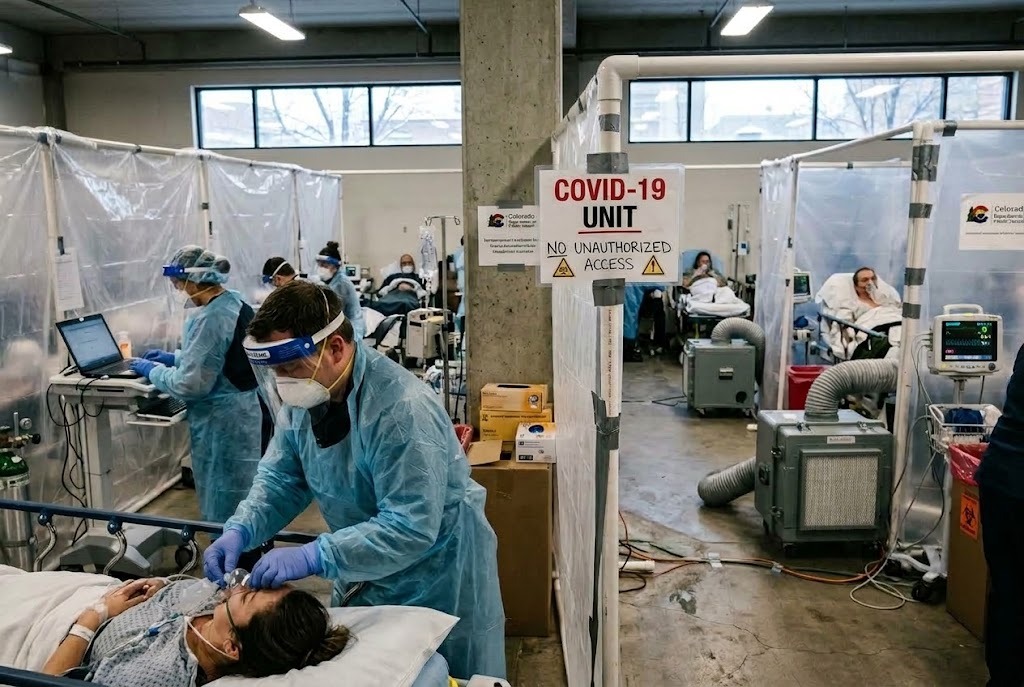
In early 2020, the virus felt distant, a headline from another continent, until Colorado’s first cases turned that distance into alarm. Within weeks, African immigrants working in healthcare, transportation, and food service found themselves on the front line. A Kenyan nurse recalled hearing about COVID‑19 on WhatsApp and treating her first suspected patient days later. A Cameroonian Uber driver described the eerie silence when airports emptied. For many, lockdown was not a time at home but a period of heightened exposure. One participant said everyone else stayed inside while they were the ones still moving.
Myths, Fears, and WhatsApp Remedies
Early beliefs mirrored global patterns. Many thought COVID‑19 was just a cold treatable with ginger tea or herbal steam. Others believed African blood was strong or that the virus could not survive in warm climates. As vaccines arrived, skepticism shifted to speed and safety. Some could not believe that the rapid development of the vaccine was normal. One participant compared it to buying a car that had never been test‑driven.
Dr. Moussata noted that the data told a more complex story. In the survey, 86 percent of respondents reported receiving a COVID‑19 vaccine, while 59 percent said they would accept it without a mandate. Vaccination and confidence, he explained, are different questions. People need space to express concerns and receive clear, respectful answers.
Community as Infrastructure
Churches, WhatsApp groups, national associations, women’s groups, and even soccer leagues became lifelines, the essential systems through which African immigrant communities stayed informed and connected. Information moved through these familiar channels quickly, directly, and with a credibility that official messaging often lacked. Dr. Moussata emphasized that their contribution deserves recognition, compensation, and a meaningful role in decisions. Public health becomes more responsive when communities help shape the work from the beginning.
Suzana Deng underscored the same point, noting that these community channels were never informal. They were infrastructure, the roads and bridges through which information traveled when traditional public‑health pathways failed to reach immigrant households. That failure was often rooted in language. Official guidance arrived mostly in English, while communities spoke French, Lingala, Swahili, Pidgin, Arabic, and Somali. Even fluent English speakers found medical terminology alien. One participant described reading CDC guidance as like reading a textbook without a teacher.
In that gap, trust followed relationships, not institutions. A nurse from your church was more persuasive than a public‑health official on television. Pastors invited clinicians to explain advisories in familiar cultural frameworks. Community leaders translated science into metaphors that made sense, turning complex epidemiology into images people could grasp and act on.
Mental Health and Resilience
Healthcare workers carried a double burden. They were celebrated as heroes in their workplaces yet treated as potential hazards in their own homes. One nurse slept in the basement for months to protect her elderly mother. Another described a ritual of going straight from her shift to the basement bathroom, removing every layer of clothing, disinfecting thoroughly, and only then joining her family upstairs. Their stories reveal the quiet sacrifices that never made headlines but defined daily survival.
Amid fear, families discovered new forms of closeness. One participant described it as a different kind of togetherness, not physical but emotional. Faith became an anchor through grief. Churches organized virtual prayer chains and coordinated food deliveries. WhatsApp transformed into an emotional lifeline, stitching together relatives across continents.
Nearly four in ten respondents knew someone who became seriously ill or died from COVID‑19, a statistic that translated into empty chairs at dinner tables and phone calls that carried more silence than words. The emotional weight was immense. There was fear of infection, loss of income, and isolation from the community structures that normally sustain daily life. A mental‑health professional described the period as one of profound mental drainage. For many African immigrants, where therapy carries stigma and services rarely exist in the right language, much of that suffering remained unspoken, felt deeply but voiced quietly.
Lessons for the Future
The project revealed that community is not just a social concept. It is infrastructure. Every effective response traveled through a relationship. Participants asked for understandable health information, routine health checks, and paid community health workers. Dr. Moussata explained that these priorities call for sustained investment beyond short project cycles. CTF’s vision is to help turn community knowledge into services and support that people can depend on. He also issued a call to action, encouraging African community members, leaders, and organizations to share their experiences, ask questions, and help set priorities for research and services. Together, he said, communities can advocate for resources and care that respond to the needs they identify.
A Map Redrawn
The DAB‑CoVaC project did more than collect data. It redrew the map. It made African immigrant communities visible, reachable, and understood. It showed that trust is not built by information alone but by relationships, that visibility is not just about being counted but being seen, and that public health, at its best, is not a system but a conversation. As Colorado looks beyond the pandemic, that conversation continues, clearer, louder, and finally, in the voices of those who were once invisible.
This is the first installment in a two‑part Afrik Digest feature series examining the COVID‑19 pandemic through the lived experiences of African immigrants in Colorado. In the final part, we will turn to the data itself. We will explore the research methods used in the Denver Africans Building COVID Vaccine Confidence project, what the numbers reveal about vaccines, trust, and health outcomes, and how these findings compare across Colorado, the United States, and Sub‑Saharan Africa. We will also share reflections from community leaders and outline a vision for what equitable, culturally grounded public health can look like moving forward.
**Look forward to Part Two as we continue this journey from story to evidence, and from evidence to action.