
 By
By Before you vote, see what your choices could mean.
We want to help you understand not just what's on the ballot, but what could happen afterward. Colorado Tradeoffs lets you test the choices, see the budget implications, and decide how you would respond.
Give it a try below. It takes less than 10 minutes.
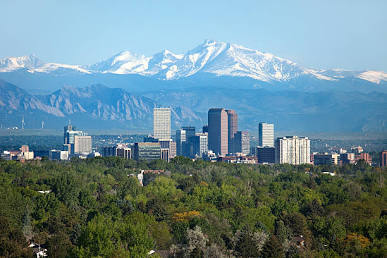
On a crisp, cloudless morning in the foothills above Boulder, the air is thin enough to sting the back of your throat. To the east, the sprawling high plains bleed into the horizon; to the west, the jagged, snow-dusted teeth of the Continental Divide tear into a vivid blue sky. It is the iconic postcard view that has lured millions of newcomers over the last two decades.
Living in Colorado feels like a lifelong subscription to an outdoor wonderland. Yet behind the postcard landscapes, world-class ski slopes, and near-constant sunshine lies a complex reality. For those making the move, life in the Centennial State is defined by a delicate balance of unparalleled perks and grinding friction points.
For decades, the promise of Colorado has been a powerful siren call. It is a state built on the promise of outdoor paradise, an active, health-conscious culture, and a booming economy driven by aerospace, technology, and renewable energy. But as the state’s population has surged, the calculus of living here has shifted. Today, the “Centennial State” presents a classic modern American dilemma: a magnificent environment paired with a balance sheet that is increasingly hard to balance.

The Upside: 300 Days of Sunshine and Economic Momentum
The case for Colorado remains undeniable on paper and in practice. The lifestyle here isn’t just recreation; it’s an identity. With an average of over 240 sunny days a year—contrary to the myth that the state is a perpetual tundra—outdoor activity is woven into daily life. It is entirely common for a tech worker in Denver or an engineer in Colorado Springs to squeeze in a morning trail run or a weekend ski trip before diving into a workweek.
That lifestyle is backed by a resilient, high-performing economy. Colorado consistently ranks among the top states for labor force participation and talent attraction. The state’s economic ecosystem is diverse. Aerospace and defense industries are anchored in Colorado Springs and the Denver metro area, housing industry giants alongside military commands.
The Boulder and Denver areas continue to draw venture capital and remote tech talent seeking work-life integration. The state is also a growing hub for green technology, biosciences and advanced research facilities affiliated with state universities. Add to this a property tax rate that remains relatively modest compared to other high-income states, and the initial attraction is easy to understand.
Colorado consistently ranks among the healthiest states. With over 240 days of annual sunshine, low humidity, and millions of acres of public lands, outdoor activity is seamlessly integrated into daily routines. World-class skiing, hiking, trail running, and mountain biking aren’t occasional vacation luxuries—they are evening and weekend staples.
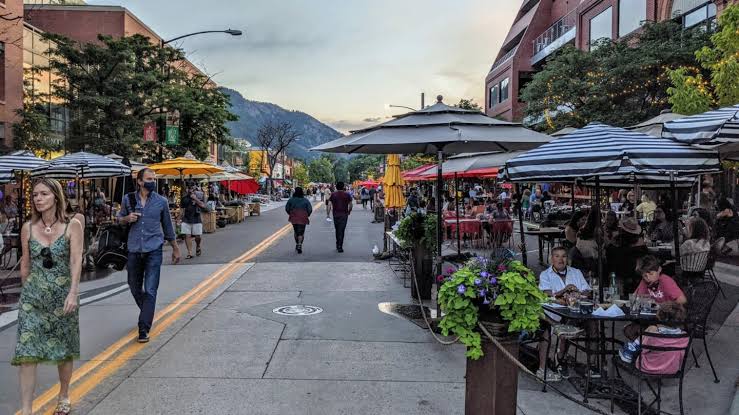
Beyond nature, the Front Range offers vibrant urban hubs featuring top-tier food scenes, a world-famous craft brewery movement, dynamic arts districts, and iconic cultural venues like Red Rocks Amphitheatre.
The Friction: The Squeeze on Housing and Infrastructure
However, the cost of paradise has risen sharply. Colorado has moved from a comfortably accessible Western destination to one of the most expensive states in the nation. The fundamental driver of this shift is housing.
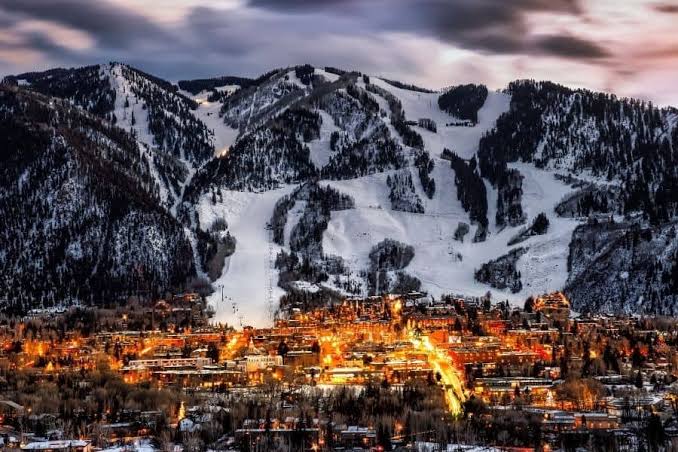
The housing crisis is no longer confined to luxury mountain towns like Aspen or Vail; it affects the entire corridor from Fort Collins down to Pueblo. Longtime residents and middle-income workers—teachers, first responders, service workers—find themselves priced out of the communities they keep running. Buying a home on a single median income has become nearly impossible along the Front Range without significant existing equity.
Infrastructure has also struggled to keep pace with rapid growth. The main arteries, particularly I-70 leading into the mountains, transform into bumper-to-bumper parking lots during weekend ski seasons and summer hiking rushes. What was once a quick 90-minute drive to the slopes can easily stretch into a three-hour test of patience.
The Environmental Reality: Water, Smoke, and Altitude
Beyond economic factors, prospective residents must navigate environmental realities unique to the high-desert West. Colorado sits at the center of the Colorado River basin crisis. Growth restrictions, rising utility rates, and ongoing debates over water rights are permanent features of state politics. Summers frequently bring the threat of wildfires. Even when fires are hundreds of miles away, smoke gets trapped along the Front Range, deteriorating air quality for weeks at a time. The dry, high-altitude air requires an adjustment period. Snow storms can arrive as early as October and stretch into May, requiring comfort with winter driving and vehicle maintenance.
The Verdict
Living in Colorado is ultimately a trade-off between financial flexibility and quality-of-life returns. For those with the income or remote flexibility to absorb the high cost of shelter, the state offers an unmatched active lifestyle, vibrant communities, and economic resilience. For others, the persistent sting of housing costs and congested mountain corridors can dim the sparkle of those famous Rocky Mountain sunsets.
Despite rising living costs, Colorado provides distinct tax advantages compared to other major destination states. Its flat 4.4% state income tax and remarkably low residential property tax rates (averaging around 0.5%) help cushion the overall cost of living.
Colorado remains a premier destination—but one that demands a clear-eyed look at the budget before packing the car.