

 By
By African female traditional fashion continues to evolve, beautifully blending rich heritage with modern, runway-ready silhouettes. Whether you are attending a grand Nigerian ‘owambe’ or exploring regional styles, these 10 iconic attires highlight the stunning diversity and elegance of African culture.
1. Aso Oke (Nigeria)
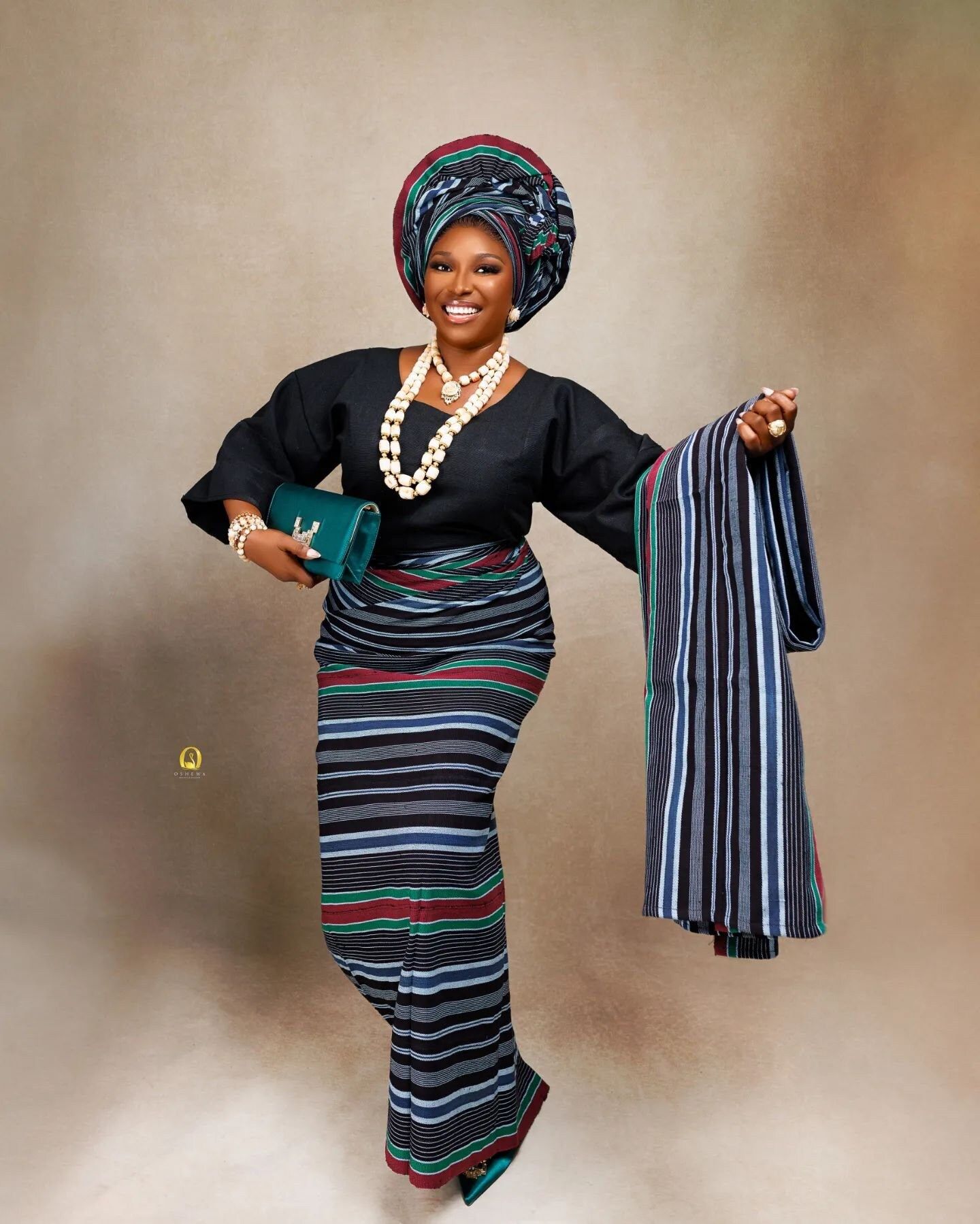
Originating from the Yoruba people, Aso Oke is a hand-loomed cloth that symbolizes prestige and celebration. Today, it is modernized beyond traditional wrappers and is frequently tailored into chic, structured peplum blouses, corset gowns, and matching Gele (headwraps) often seen at high-profile weddings and other ceremonial functions.
2. Kente (Ghana)
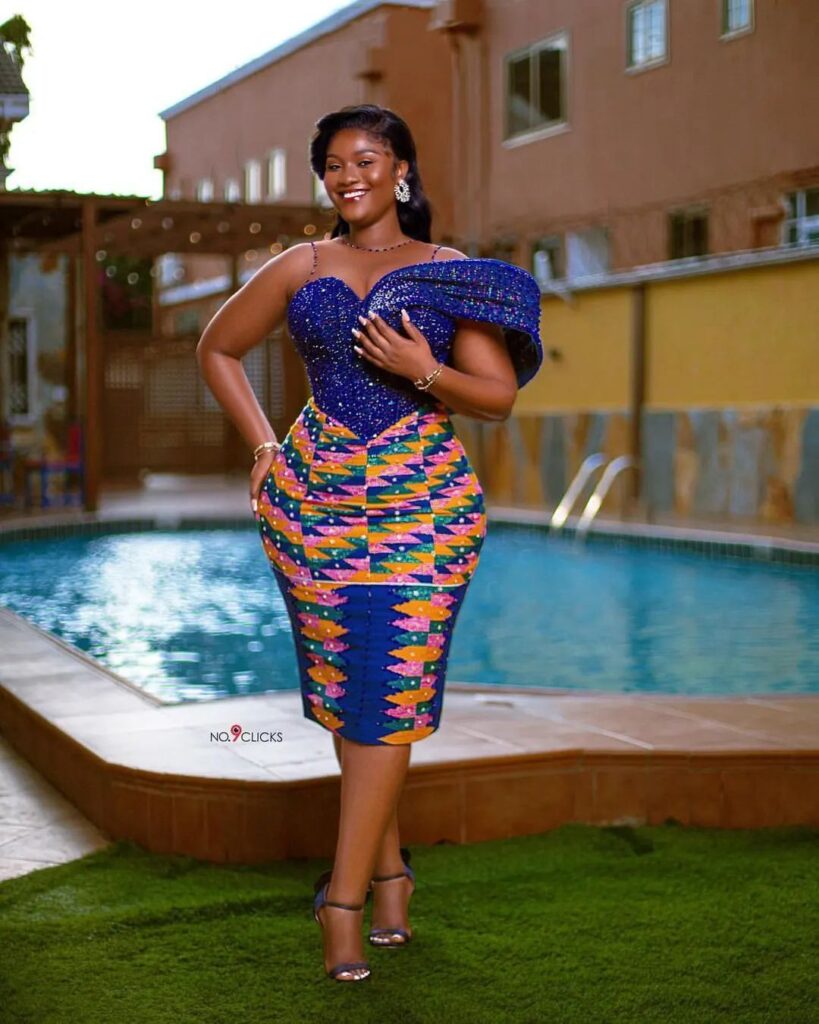
Famous for its vibrant, geometric patterns, Kente is a woven silk and cotton fabric that represents royalty and wisdom. While it is historically worn as a wrapped cloth, modern fashionistas frequently incorporate Kente into mermaid gowns, off-the-shoulder dresses, and stylish jacket sets.
3. Umbhaco (South Africa)

The traditional attire of the Xhosa people, Ubhaco, is made from heavy woven cotton in rich earth tones or bright whites, heavily decorated with elaborate beadwork around the neck, wrists, and head. The skirts are often flared or pleated, making it a spectacular choice for cultural ceremonies.
4. Buba and Iro (Nigeria/West Africa)
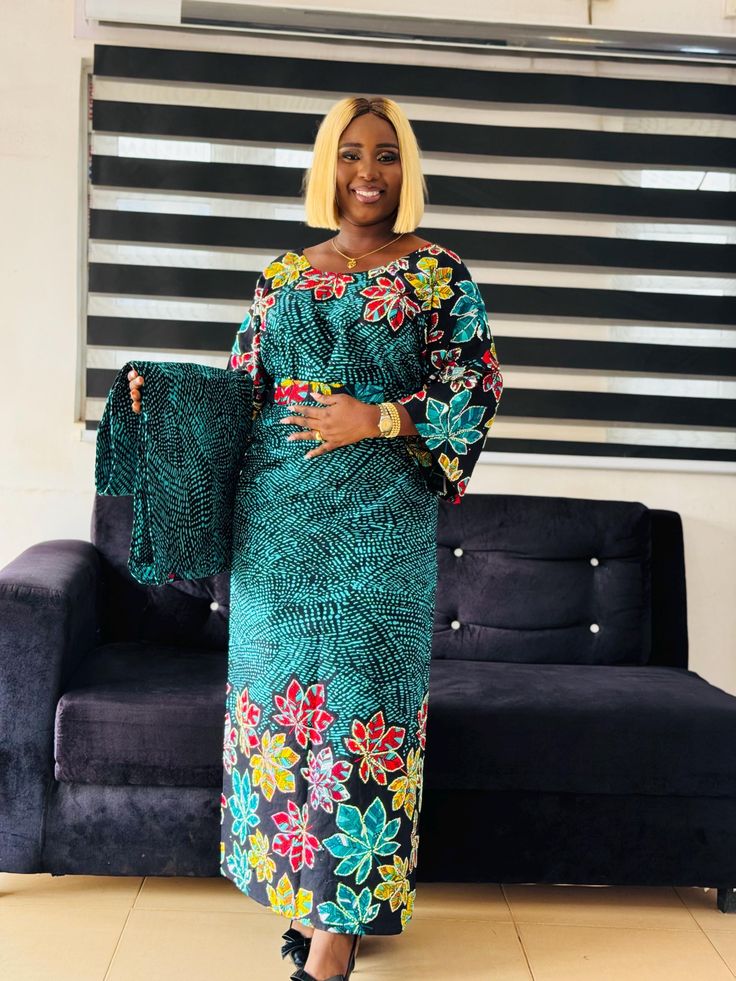
This classic wrap skirt and loose-fitting blouse set is a staple across West Africa. For current trends in 2026, the Iro (wrapper) is often styled with high slits or fitted into a wrap-style skirt, while the Buba (blouse) is heavily detailed with lace, organza, or puff sleeves.
5. Boubou (Senegal/West Africa)

The Grand Boubou is a voluminous, floor-length robe that symbolizes supreme dignity and elegance. Typically crafted from luxurious materials like Bazin, brocade, or lace, this flowing gown is perfect for formal events and religious celebrations.
6. Chitenge (Zambia/Malawi/East Africa)
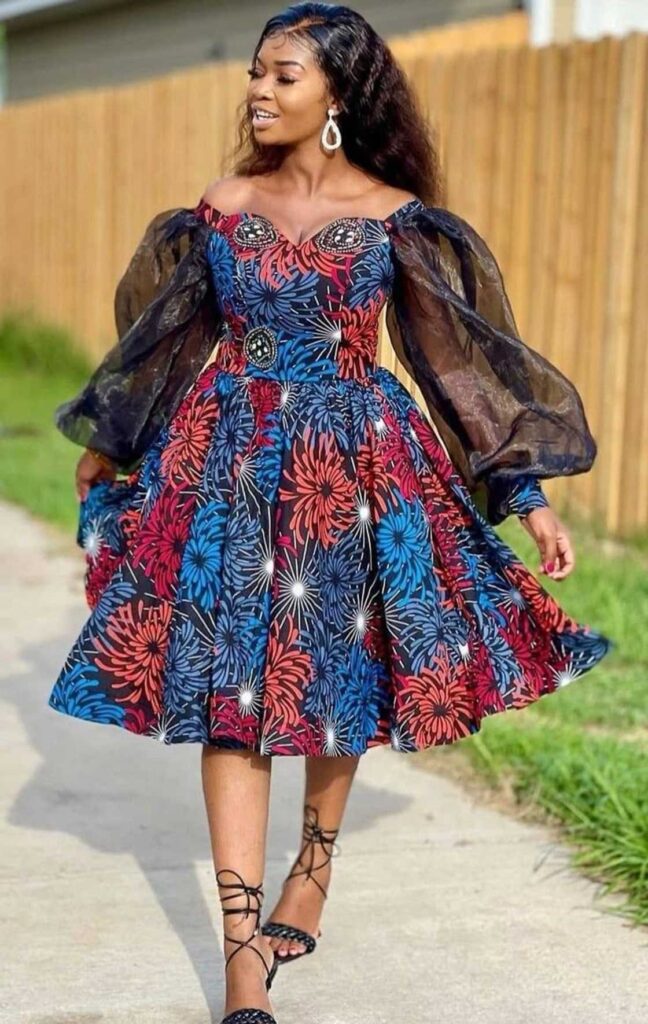
The Chitenge is a versatile, colorful rectangular fabric wrap used across East and Central Africa. It functions as everything from an everyday wrap skirt to a high-fashion peplum dress or stylish two-piece set, making it incredibly adaptable for both casual and festive occasions.
7. Ankara Fusion (Pan-African)
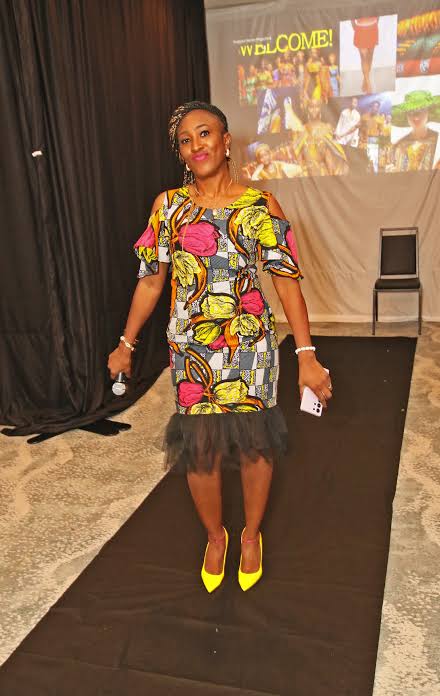
Female Ankara fusion styles are the hottest trend, brilliantly blending vibrant African prints with modern materials and silhouettes. Whether you’re in Lagos, Accra, Nairobi, Pretoria or shopping from abroad, the fusion movement allows you to mix Ankara with denim, leather, or lace for a unique, everyday-to-evening aesthetic.
8. Habesha Kemis (Ethiopia/Eritrea)
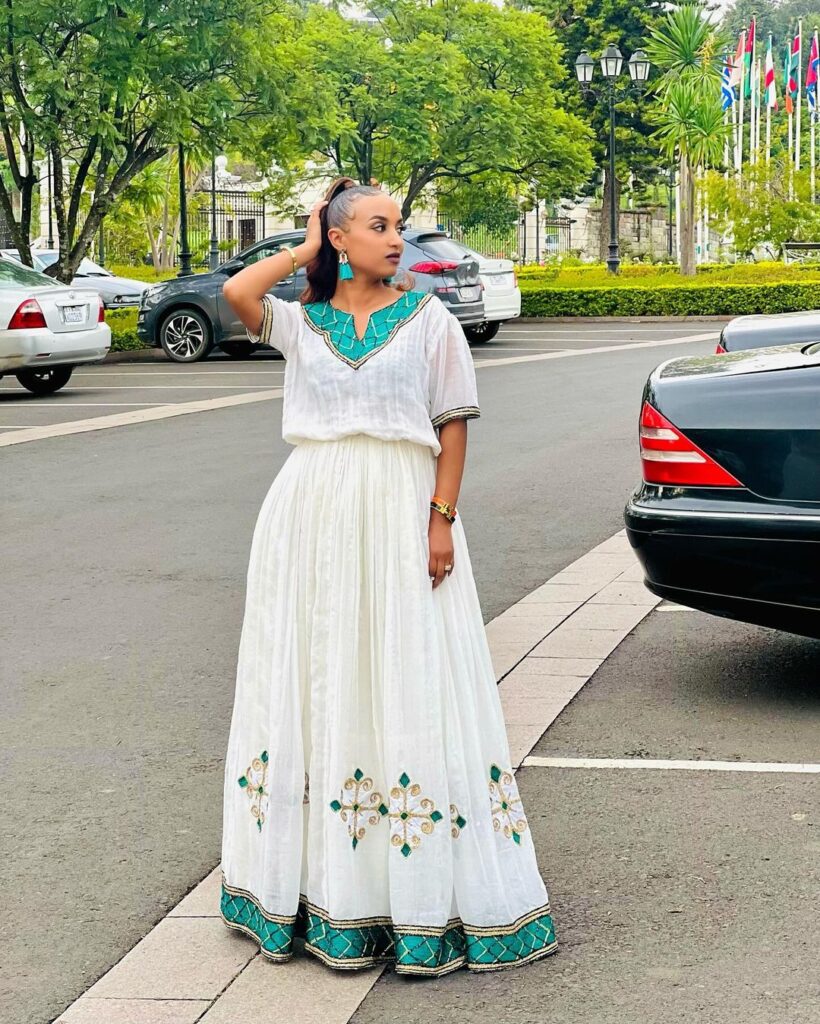
This traditional ankle-length dress is typically made of cotton fabric and features intricately woven borders known as tilet. Worn mostly during formal events and holidays, the Habesha Kemis is celebrated for its elegant drape and shimmering metallic thread details along the cuffs and neckline.
9. Zulu Traditional Attire (South Africa)
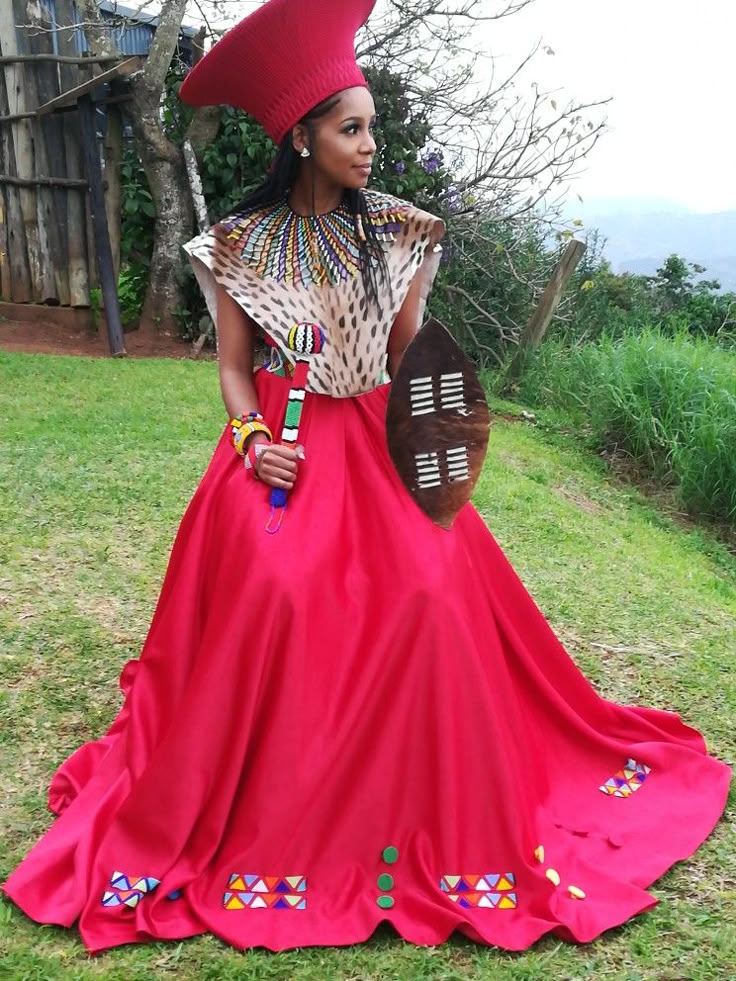
Zulu women wear striking, colorful garments that signify their social and marital status. Married women traditionally wear a broad, flat-topped hat called an Isicholo, paired with intricately beaded necklaces, bright beaded aprons, and layered skirts that look stunning on the runway.
10. Female Agbada (Nigeria)
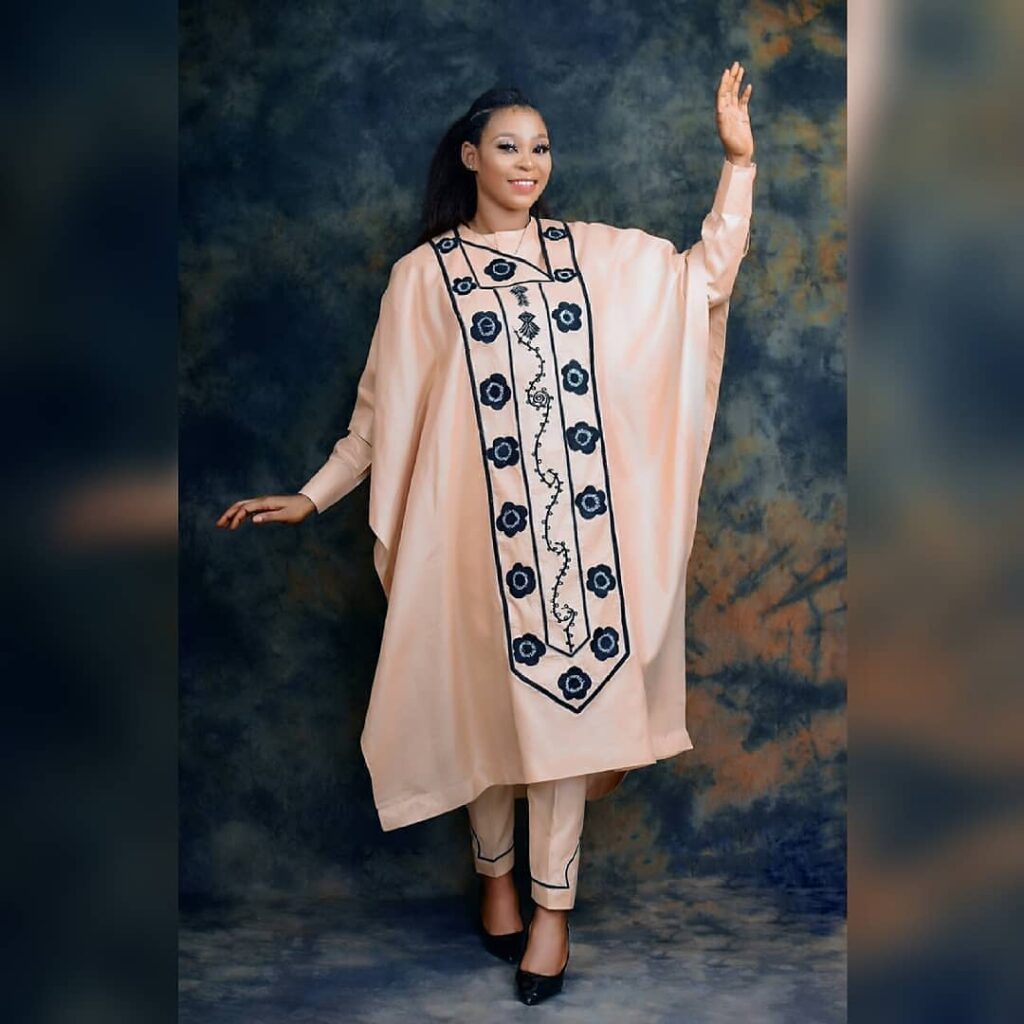
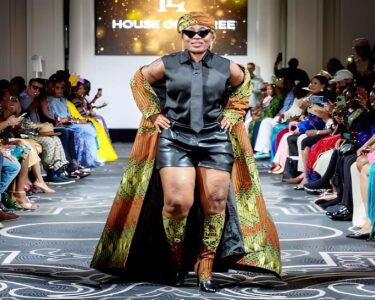
Once an exclusively male attire, the Female Agbada has taken the African fashion scene by storm. This regal, flowing robe usually features enormous shoulders and beautiful embroidery on the chest. Women often pair it with a belt to accentuate the waist or wear it over tailored trousers and a matching cap.