 By
By The 2026 men’s Fifa World Cup marks a seismic shift in the global football landscape. The decision to expand the final stage of the tournament from 32 teams to 48 has significantly benefited the Confederation of African Football (Caf).
In 2018 and 2022, Africa was represented by five nations; this year, a record 10 teams will take the stage. They are, in order of their Fifa world ranking: Morocco (ranked 8), Senegal (14), Algeria (28), Egypt (29), Côte d’Ivoire (34), Tunisia (44), Democratic Republic of Congo (46), South Africa (60), Cape Verde (69) and Ghana (74).
The narrative surrounding African football has shifted since the hopeful prophecies made by Brazilian star Pelé in the 20th century. After touring the continent in 1977 and witnessing the tremendous talent and established pipeline to European football, he predicted that an African nation would win the World Cup before the year 2000. He later adjusted his timeline to 2010. In 2026 it is a concrete possibility thanks to African football’s tactical maturity.
Until now, Africa’s qualification process for the tournament was arguably the most brutal in world football. Strong teams often missed out on the global showpiece due to a system that allowed no room for error. The jump to nine guaranteed spots – plus a tenth secured by Cape Verde through the inter-confederation play-offs – has finally aligned the continent’s representation with its competitive depth.
This expansion addresses a long-standing “geopolitical bottleneck”. By doubling its presence, Caf ensures that the World Cup is no longer just a snapshot of African football, but a comprehensive gallery.
Fans will witness the return of historical giants like South Africa and the DRC alongside perennial contenders like Egypt and Algeria and contemporary favourites like Morocco and Senegal, creating a diverse tactical mosaic.
Morocco (Group C: Brazil, Scotland, Haiti)
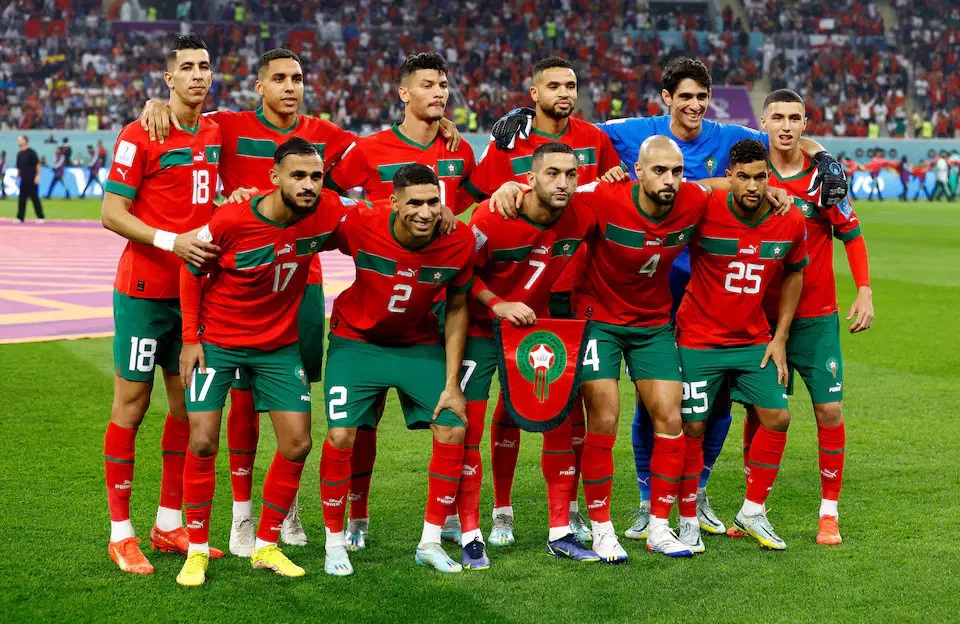
The Atlas Lions shocked the world in Qatar by reaching the semi-finals and arguably arrive in North America with an even stronger squad. Achraf Hakimi remains one of the best full-backs in world football, while Morocco continue to benefit from a talented generation playing at the highest level across Europe.
The draw has not been particularly kind, with Brazil waiting in the group stage, but Morocco have already shown they can compete with football’s biggest nations on the grandest stage.
If any African side is capable of reaching the quarter-finals or beyond, it is probably Morocco. No longer are African teams arriving with the primary goal of avoiding embarrassment. There is a palpable sense of entitlement to the late stages of the tournament. Morocco enters the tournament not as a “Cinderella story” but as a top-tier seed. This shift from “participant” to “contender” is the single most important development in the African game over the last four years.
Senegal (Group I: France, Norway, Iraq)
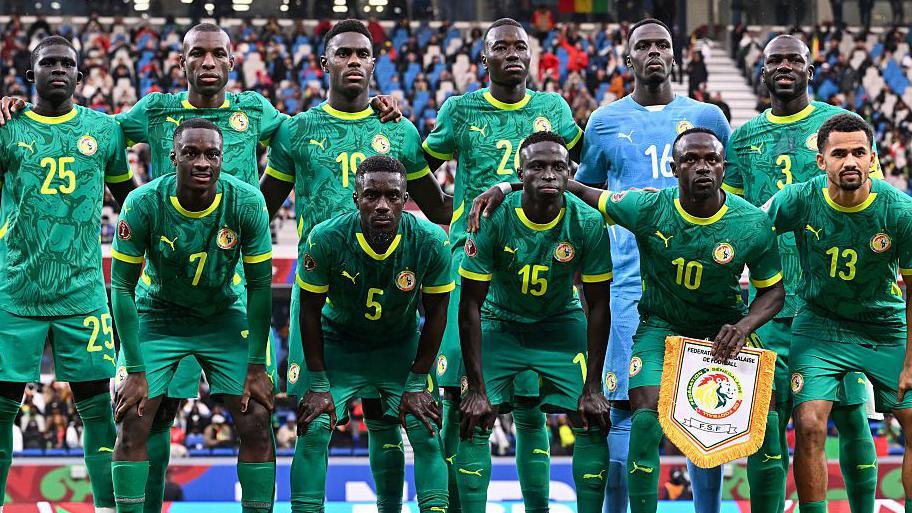
Senegal are once again expected to be among Africa’s strongest challengers.
Sadio Mane remains the face of the team, but this is no longer a one-man side. Edouard Mendy, Kalidou Koulibaly, Ismaila Sarr and a new generation led by Lamine Camara provide quality throughout the squad.
The concern is their group. France and Norway can make life difficult from the outset, meaning Senegal could face a tougher route through the knockout stages than some of their continental rivals.
Even so, few African teams can match their blend of experience, athleticism and tournament know-how.
Ivory Coast (Group E: Germany, Ecuador, Curaçao)
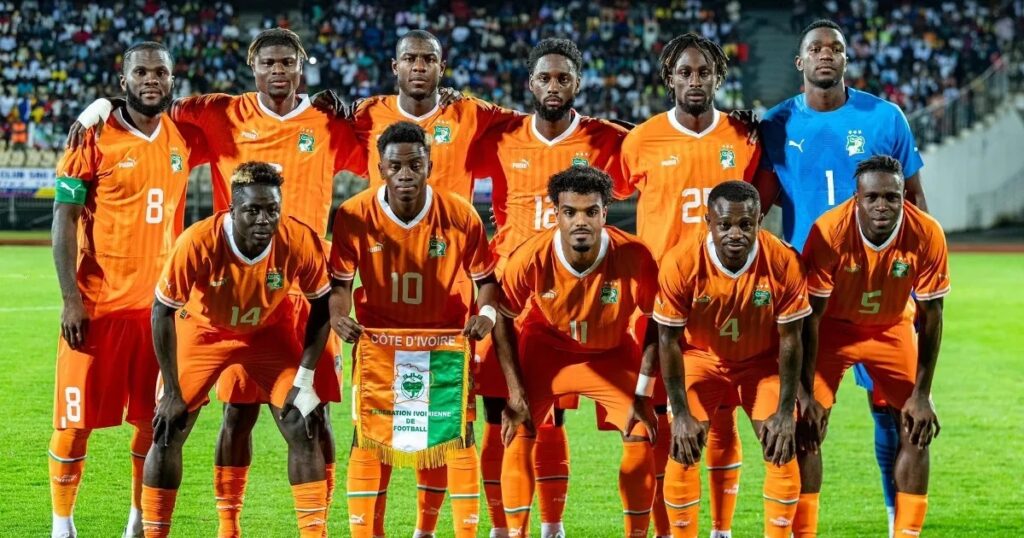
The Elephants enjoyed a spectacular qualifying campaign, remaining undefeated across 10 matches while scoring 25 goals and remarkably conceding zero. They boast a perfect blend of explosive winger play and solid central midfield control.
A flawless defensive record in qualifying is no joke. While Germany poses a massive threat, Ivory Coast has the modern athletic profile required to overrun midfields and make a serious statement.
Egypt (Group G: Belgium, Iran, New Zealand)
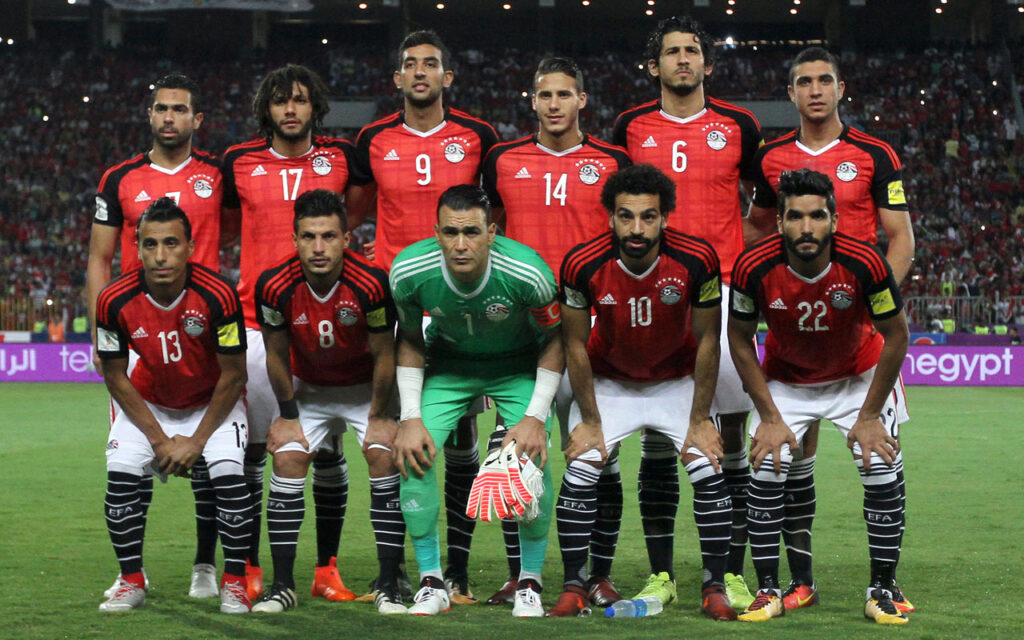
Egypt cruised through qualifying with an unbeaten record, driven by a highly clinical frontline and defensive compactness. With Mohamed Salah still performing at an elite level, the Pharaohs possess a singular match-winner who can turn any game on its head.
Group G offers a highly realistic pathway to the knockout stages. If their defensive block holds up against Belgium’s technical quality, Egypt’s counter-attacking efficiency makes them a nightmare opponent in the Round of 32.
Algeria (Group J: Argentina, Austria, Jordan)
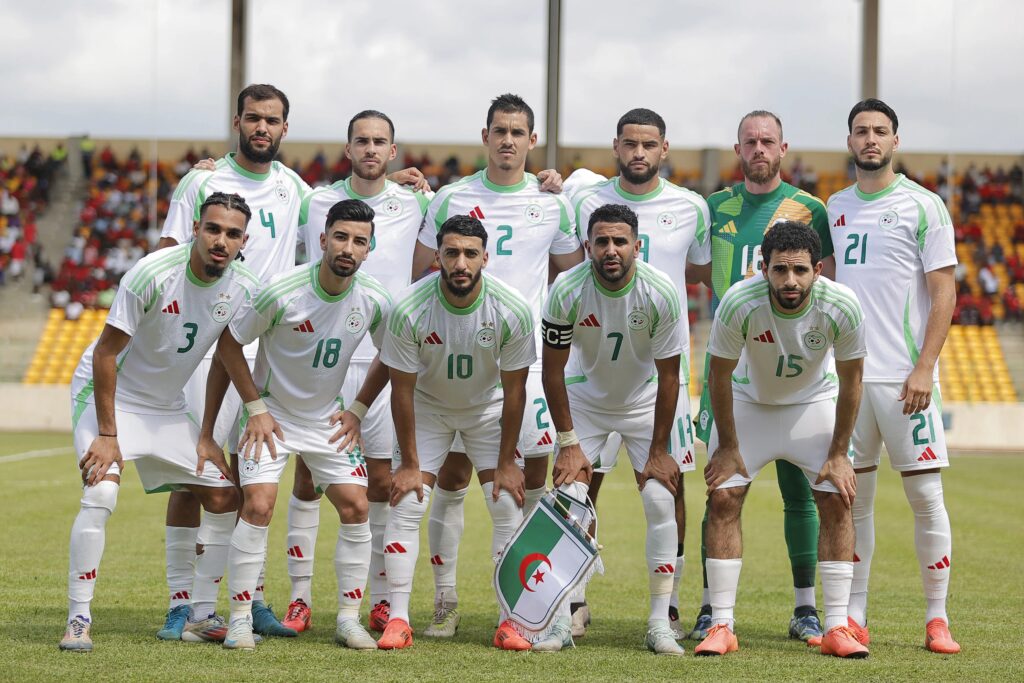
The Desert Warriors bounced back emphatically during the qualifiers, dropping only 2 points out of 30. They combine technical, possession-oriented North African style with a fierce pressing game.
Drawing world champions Argentina is an immense challenge, and Austria represents a highly disciplined European hurdle. Algeria will need their creative players to be flawless to advance, but their ceiling remains incredibly high.
Ghana (Group L: England, Croatia, Panama)

Ghana overcame a rocky spell over the last couple of years to decisively win Group I in the qualifiers. The Black Stars have successfully integrated a wave of young, dynamic European-born talent into the squad.
They find themselves in a brutal group alongside tournament specialists Croatia and a formidable England side. Ghana has the raw athletic talent to cause chaos, but their lack of shared tournament experience as a cohesive unit could limit their ceiling.
South Africa (Group A: Mexico, South Korea, Czechia)
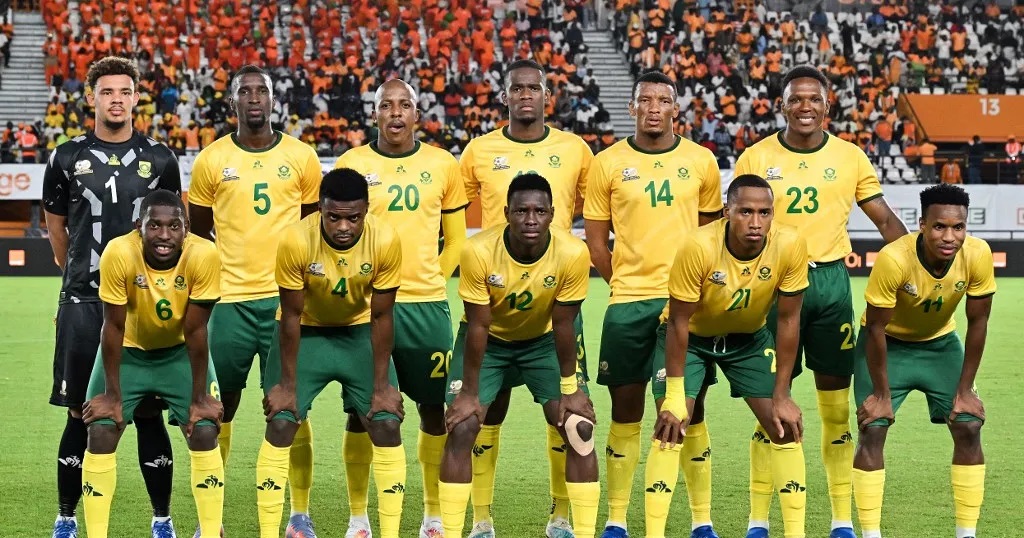
Under the experienced guidance of Hugo Broos, Bafana Bafana squeezed past regional rivals Nigeria to claim Group C. Led by stellar goalkeeper and captain Ronwen Williams, their strength lies in the incredible chemistry built on a core of domestic-based players.
Group A is incredibly balanced but features heavy travel and hostile environments, particularly against Mexico. Their structural familiarity gives them a high floor, but a lack of elite European league experience could limit their explosive potential.
Tunisia (Group F: Netherlands, Japan, Sweden)
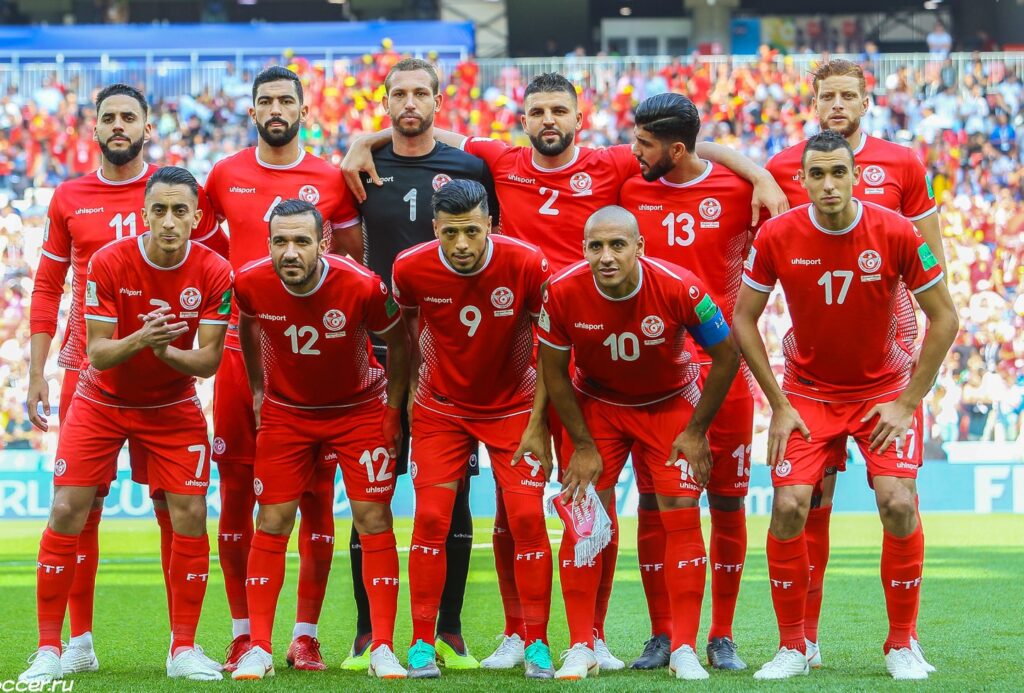
Much like Ivory Coast, Tunisia built their qualifying success on an absolute fortress, finishing their 10 matches without conceding a single goal. They play a highly pragmatic, low-block style designed to frustrate opponents.
They are trapped in a highly technical, high-tempo group featuring the tactical fluidity of Japan and the clinical nature of the Netherlands. Breaking out of their defensive shell will be required if they drop behind early.
DR Congo (Group K: Portugal, Colombia, Uzbekistan)
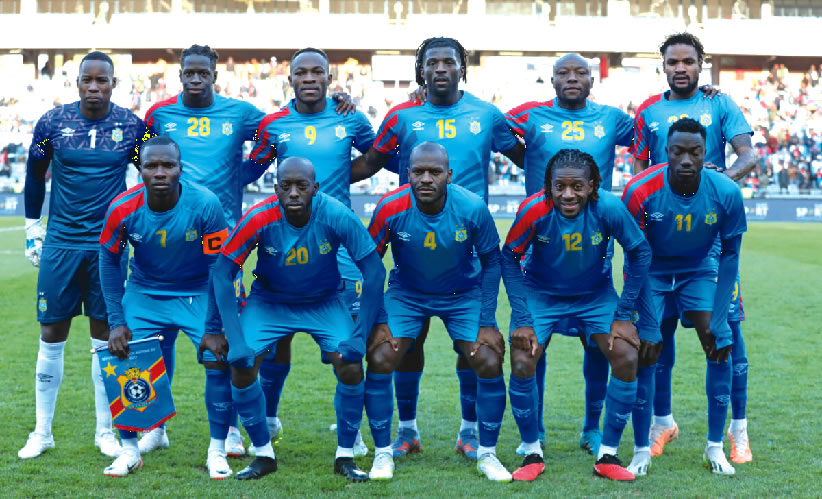
The Leopards completed a remarkable qualification campaign to return to the global showcase for the first time since 1974. They play a high-intensity, physical brand of football that thrives on transition.
A very tough draw pairs them with a formidable Colombian side and Portugal. Surviving this group would be an immense achievement, but their raw physicality will make them a gruelling test for their opponents.
Cape Verde (Group H: Spain, Uruguay, Saudi Arabia)
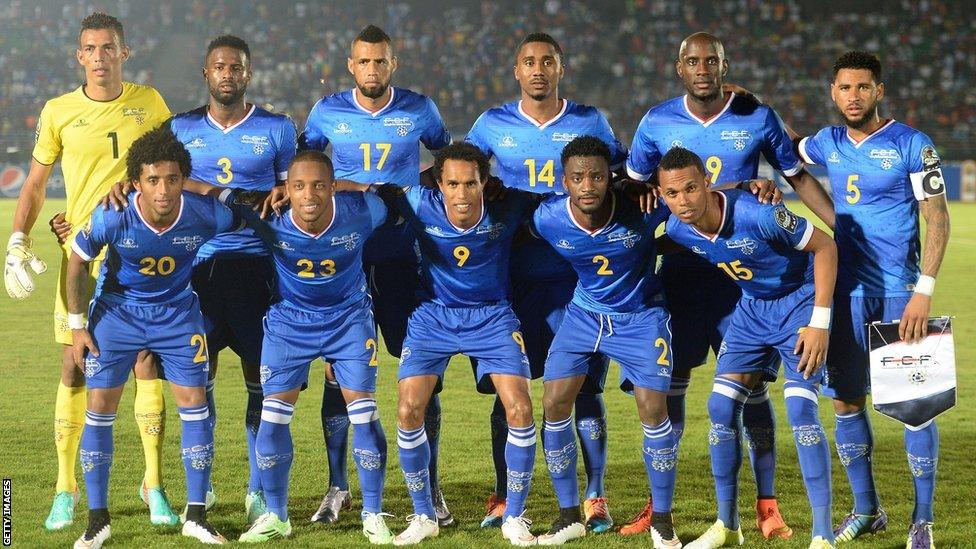
The Blue Sharks are making their highly anticipated World Cup debut. Punctuated by slick passing and excellent tactical discipline, they surprised many by topping a qualifying group that included powerhouse Cameroon.
Facing global elites like Spain and a notoriously physical Uruguay is a baptism of fire. They will play without fear, but a spot in the next round would require a historic tournament miracle.