
 By
By 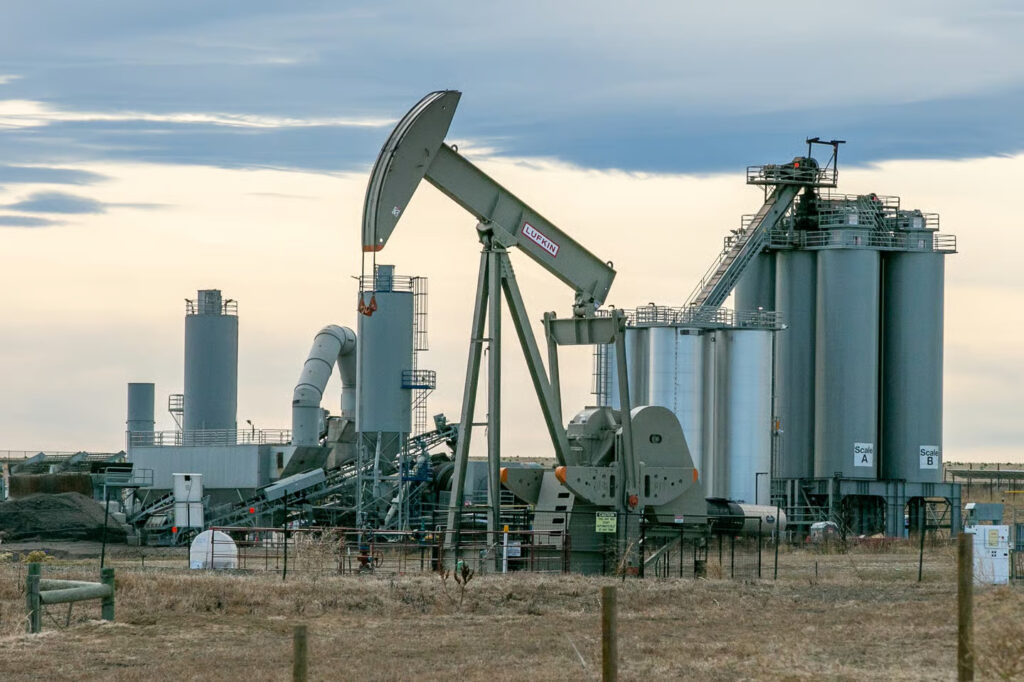
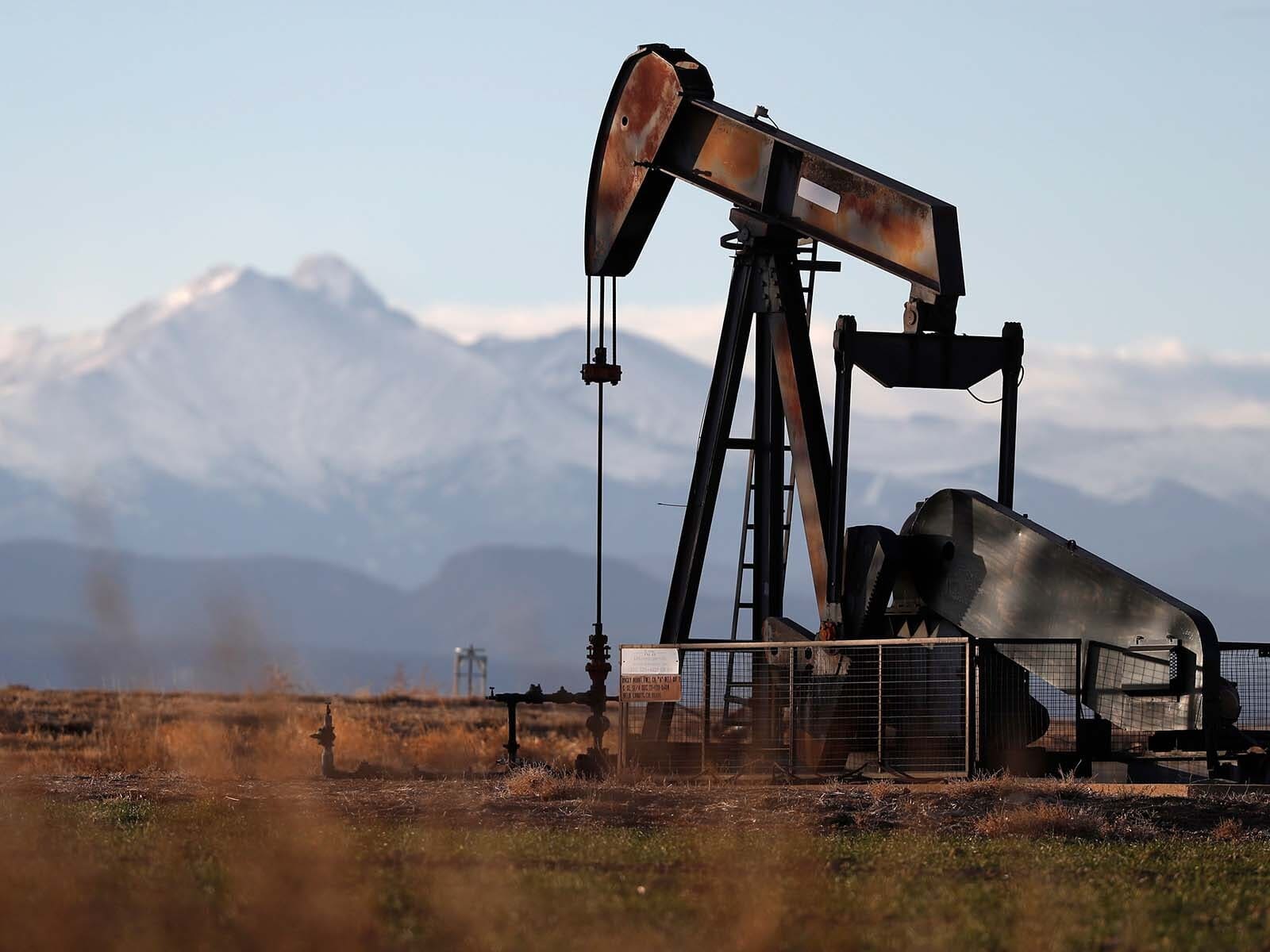
State oil and gas regulators approved 24 new oil and gas wells near the Aurora Reservoir on Tuesday, despite sustained community opposition against the proposal.
The Colorado Energy and Carbon Management Commission (ECMC) voted 3-2 to approve the State Sunlight/Long well pad, originally proposed by the oil company Civitas and its subsidiary Crestone Peak Resources. Crestone is now owned by SM Energy, after a merger earlier this year.
Save the Aurora Reservoir (STAR), a community-led group, opposed the pad’s location, which is less than a mile from hundreds of homes. During hours of prior testimony and hundreds of public comments, residents cited potential health impacts of nearby oil wells and the potential for an oil spill into the reservoir, a key source of drinking water.
The virtual hearing on Tuesday drew a flood of interest, much more than a typical ECMC meeting. Jeff Robbins, ECMC’s chair, said that the livestream had reached capacity at 1,000 viewers, leaving some members of the public unable to tune in.
Ultimately, state regulators narrowly approved the plan, saying that it met state regulations and properly balanced public health with oil and gas development.
“I find that the State Sunlight/Long location achieves the balance that we’re told to look for,” said Robbins.
The ECMC regularly reviews and approves oil and gas proposals. But disagreements over the Sunlight/Long pad morphed into one of the thornier oil and gas disputes since 2019, when state lawmakers passed sweeping new regulations for the industry.
Senate Bill 19-181 gave communities more say over oil extraction and required regulators to consider environmental and health concerns when approving new drilling. State lawmakers also changed ECMC’s mission to apply more scrutiny to oil and gas operations.
A test of oil and gas regulations
Over seven hearings, regulators, attorneys for Crestone and residents repeatedly grappled with the location of the pad and whether regulators were balancing community input with industry plans.
In December, state regulators voted to delay the plan and ordered Crestone to analyze different locations for the pad. STAR had proposed three alternate locations, which moved the pad at least a mile away from homes.
But attorneys for Crestone said they analyzed 11 alternative sites and concluded that the other locations presented their own concerns. State regulators also raised concerns about sites further away, some of which could increase traffic.
“It’s going to create additional traffic hazards that are specifically the kind of things that STAR members have spoken about to us in their public comments,” said Commissioner Mike Cross.
But Randy Willard, STAR’s president, said that Crestone never seriously analyzed the other locations and instead only bolstered its case to drill on the current site.
“They did not come back with anything that we considered reasonable as a real location,” Willard said.
Jamie Jost, an attorney for Crestone, said during the hearing that the State Sunlight/Long pad was the “most vetted, most analyzed and most evaluated location” by state, federal and local groups, and urged commissioners to approve the plan.
STAR has been able to extract some concessions from Crestone since December. The company shrunk the size of the pad from 32 to 24 wells, and moved proposed wellheads further away from homes, according to an SM Energy presentation during the hearing.
The agency’s approval of the wells drew sharp condemnation. Willard said his group was disappointed and would consider their next steps.
“STAR continues to believe that it isn’t safe for our residents, and it’s not safe for Colorado to continue to approve these things,” he said.
Climate Defiance Colorado, a climate advocacy group, said in a social media post that the ECMC commissioners and Gov. Jared Polis belong in a “Hall of Shame” for having “sold out Aurora’s water & children.”
More drilling on the way
The approval now clears the way for the company to begin pre-production work and begin drilling later this year, once it secures further permits.
The pad is just one of several that Crestone is building on Lowry Ranch, a sprawling, state-owned open space in unincorporated Arapahoe County. Crestone already has dozens of wells approved or under construction across multiple pads.
Willard said that construction on a separate pad close to homes has already resulted in noise complaints.
“The reality on the ground is that we’ve got families that haven’t slept for months,” he said.
Nathan Bennett, director of permitting and compliance for Crestone, said during the hearing that noise levels around the pad have not exceeded levels allowed by state regulations.