


 By
By How Forced Prison Labor Leaves Incarcerated People Carrying the Cost
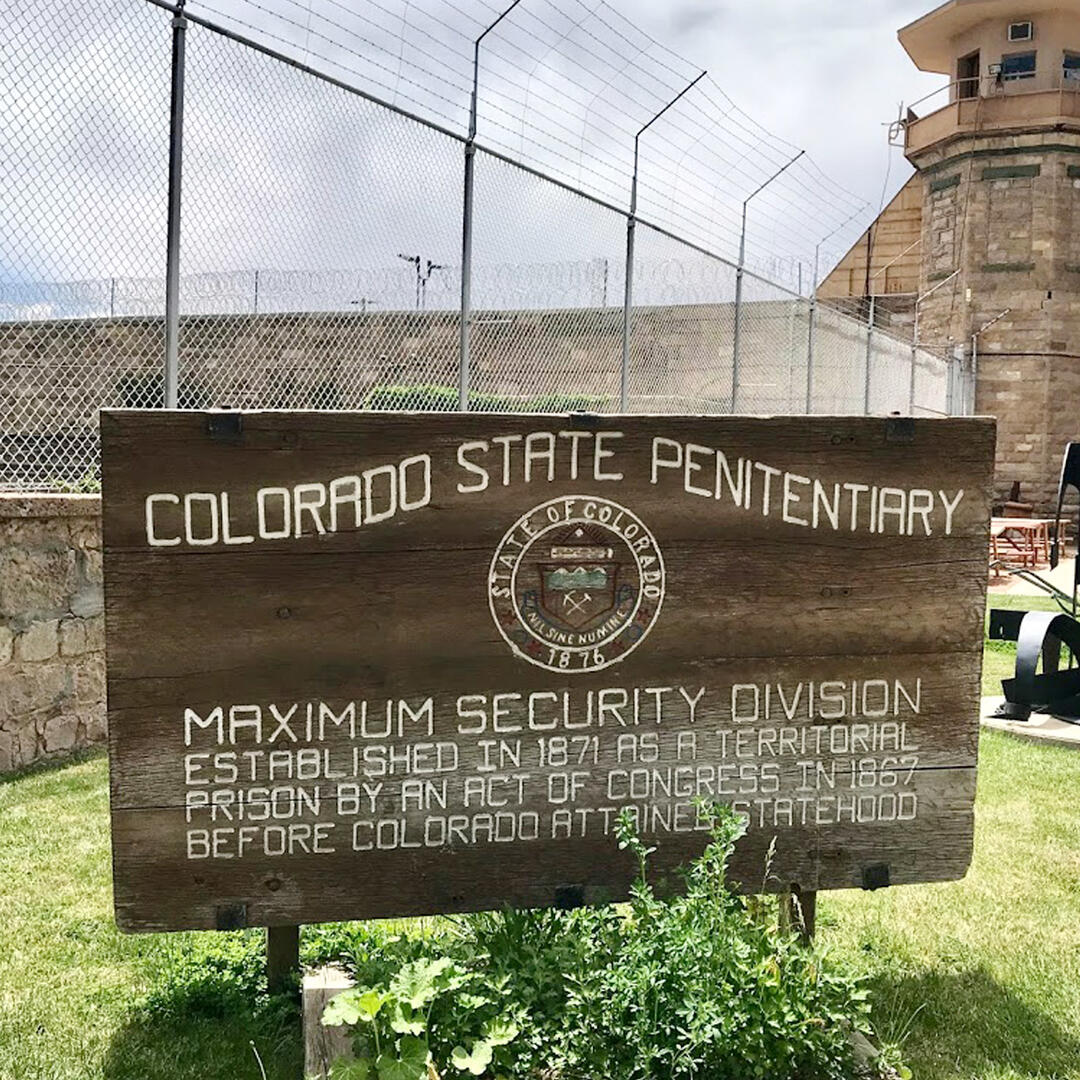
Colorado likes to imagine itself as a state of sunshine, mountains, and progressive ideals. However, inside the walls of the Colorado Department of Corrections (CDOC), a very different story has been unfolding, one that a recent court ruling finally dragged into the light. The state’s highest court found that CDOC violated the Colorado Constitution by forcing incarcerated people to work under threat of punishment. For many Coloradans, this was a legal headline. For the men and women living behind those walls, it was their daily reality.
“Work or be punished.” That was the unspoken rule. Incarcerated people were assigned jobs: kitchen duty, laundry, janitorial work, maintenance, and told refusal wasn’t an option. If they declined, they risked losing phone privileges, visitation, earned time, or even being placed in more restrictive housing. For people already separated from their families, their communities, and their sense of self, these punishments cut deep.
One formerly incarcerated man described it this way: “It wasn’t work. It was survival. If you said no, they took the little humanity you had left.”
On the emotional toll, she said, “You start to feel like property.”
Incarceration already strips people of autonomy, but forced labor adds another layer, a psychological erosion that many say stays with them long after release. People spoke of feeling dehumanized, powerless to say no, and feeling like their labor was owned and punished for asserting basic dignity. A woman who worked in the prison kitchen for years said, “You stop feeling like a person. You start feeling like a number with your hands.”
For many, the trauma didn’t end at the prison gate. It followed them home- into their sleep, their relationships, their sense of worth. The economic toll: “We worked, but we stayed broke.”
Colorado inmates earn pennies per hour, if they are paid at all. Yet the prison economy depends on their labor. They cook the meals, clean the facilities, sew uniforms, maintain grounds, and keep the institution running. But the people doing the work rarely see the benefit. Many leave prison with no savings, no work history recognized outside, no financial cushion, and often, new debts from court fees or restitution.
The contradiction is painful: They worked every day, yet walked out with nothing. When refusing a work assignment meant losing phone calls or visitation, the punishment didn’t just land on the incarcerated person; it landed on their families. Parents missed calls from their children. Partners went months without hearing a voice. Elders died while sons and daughters sat in silence, unable to reach home.
For families already stretched thin, the emotional distance widened. This was never supposed to happen here. Colorado’s constitution is clear: No one can be forced to work under threat of punishment unless they have been duly convicted of a crime. The court found that CDOC went beyond what the law allows- using work assignments as leverage, not rehabilitation. This ruling didn’t just expose a violation. It exposed a system that had quietly normalized coercion.
The truth of the matter
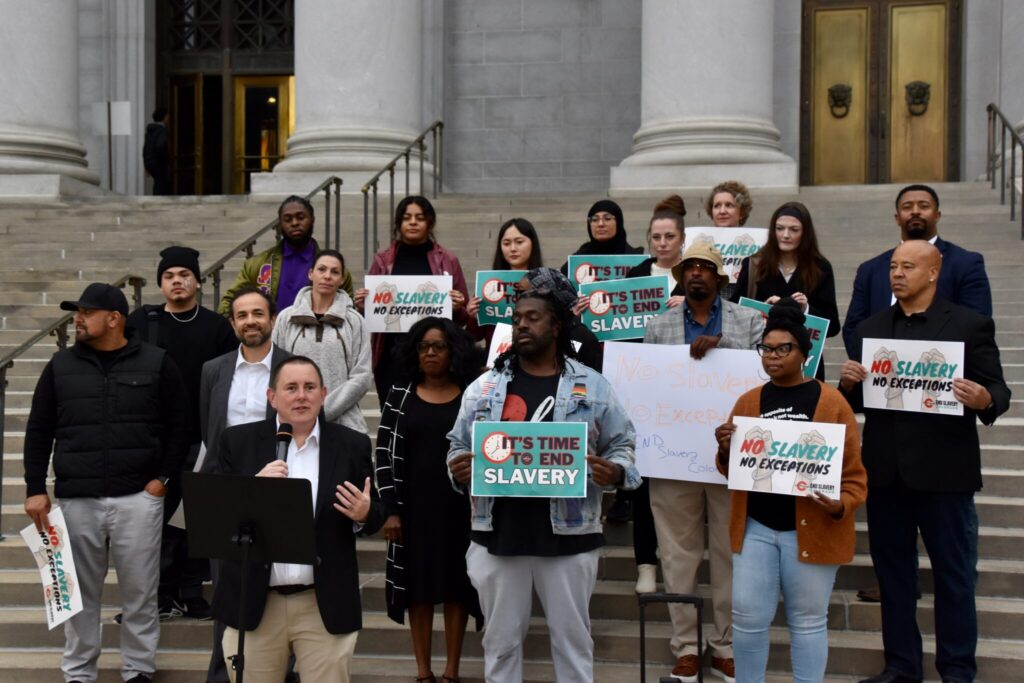
The ruling forces Colorado to confront a hard truth: If rehabilitation is the goal, coercion cannot be the method. Advocates are therefore calling for voluntary work programs, fair wages, and trauma‑informed policies and accountability for past abuses. The truth is that behind every legal ruling is a human story, a man who missed his daughter’s voice, a woman who worked through illness, a family who thought their loved one had forgotten them.
A moment of reckoning
Colorado now stands at a crossroads. Will it continue a system that treats incarcerated people as invisible labor? Or will it build one that recognizes their humanity? For the people who lived through forced labor, the answer is not abstract. It is personal. As one man said after hearing the ruling: “Maybe now people will understand what we’ve been saying for years. We’re not asking for luxury. We’re asking to be treated like human beings.”
And that, at its core, is the story Colorado must finally reckon with.