
 By
Before you vote, see what your choices could mean.
We want to help you understand not just what's on the ballot, but what could happen afterward. Colorado Tradeoffs lets you test the choices, see the budget implications, and decide how you would respond.
Give it a try below. It takes less than 10 minutes.
For four days, the relentless rhythm of West Africa’s economic engine harmonized with a different kind of currency: raw, unbridled creative power.
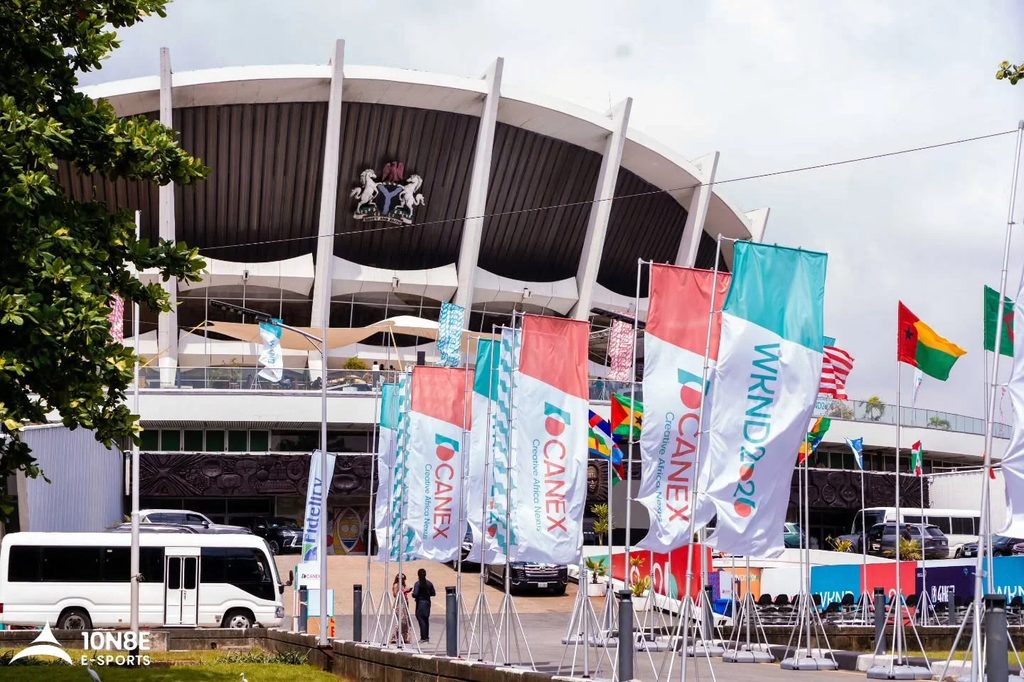
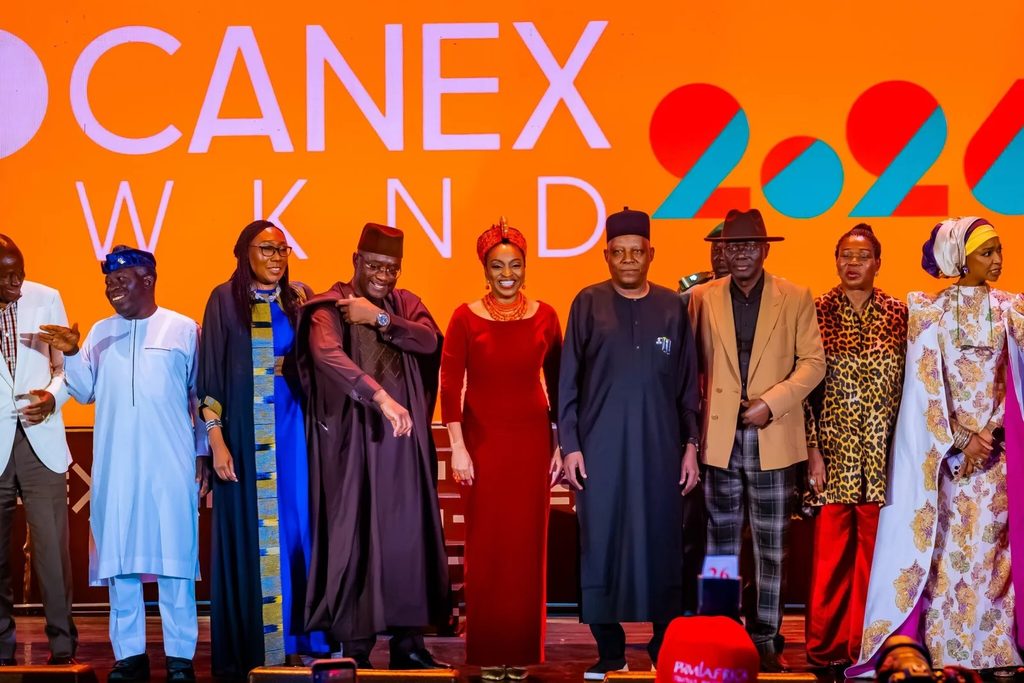
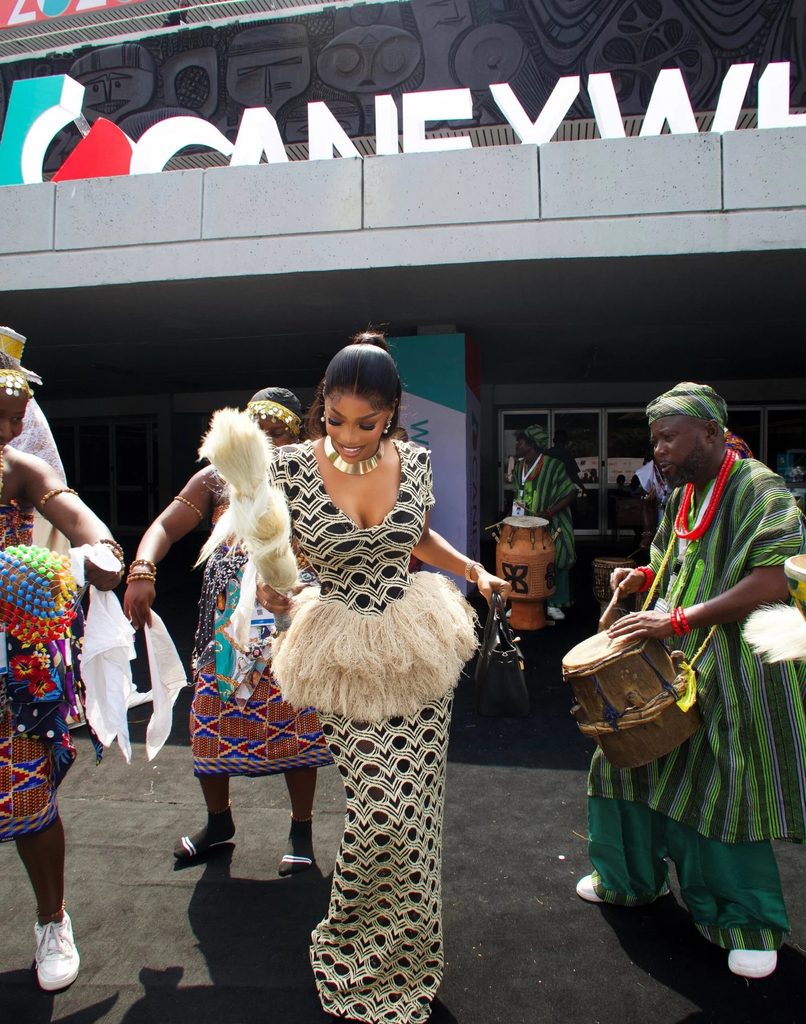
From November 5 through November 8, 2026, the global spotlight locked onto the Wole Soyinka Centre for Cultural & Creative Arts in Lagos as the Creative Africa Nexus Weekend (CANEX WKND 2026) unfolded. Organized under the banner “One People, United in Culture, Creating for the World,” the flagship gathering served as both a victory lap for African culture and an uncompromising strategic summit for its economic future.
What transpired across the sprawling exhibition halls, intimate masterclass suites, and high-stakes boardroom tables was not merely a celebration of music, film, fashion, and art. It was a watershed moment—a decisive declaration that Africa’s creative sector is no longer content being an exporter of cheap inspiration, but is asserting itself as an institutional titan of global commerce.
The Pulse of the Exhibition Floor
Stepping onto the grounds of the Wole Soyinka Centre over the weekend meant encountering a sensory kaleidoscope. The air hummed with the electric energy of thousands of delegates—designers from Dakar, filmmakers from Cairo, tech innovators from Nairobi, financiers from London, and storytellers from across the African Diaspora.
At the CANEX Exhibition & Market, traditional boundaries dissolved. In one aisle, master weavers displayed hand-spun textiles engineered with eco-friendly dyes, catching the eyes of international luxury retail buyers. A few paces away, digital artists showcased augmented-reality installations that translated ancient Yoruba folklore into immersive metaverse experiences.
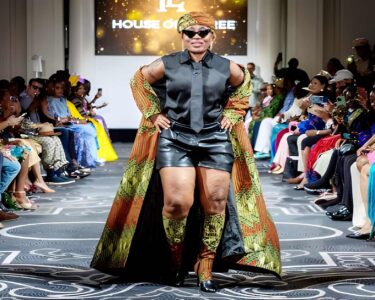
The Luxury Fashion Xchange provided one of the weekend’s most arresting spectacles. High-energy runway showcases highlighted structured tailoring, avant-garde silhouettes, and rich textural storytelling. Yet, behind the velvet ropes of the catwalks lay the real story: intensive B2B networking sessions where designers inked distribution deals aimed at securing shelf space in Paris, New York, and Tokyo without compromising their brand ownership or cultural heritage.
In the Gastronomy Showcase, celebrity chefs transformed indigenous ingredients—fonio, cassava, wild spices, and smoked seafood—into fine-dining culinary narratives. Attendees sampled dishes that honored ancestral traditions while pushing the envelope of modern gastronomy, underscoring food as a potent vehicle for soft-power diplomacy.
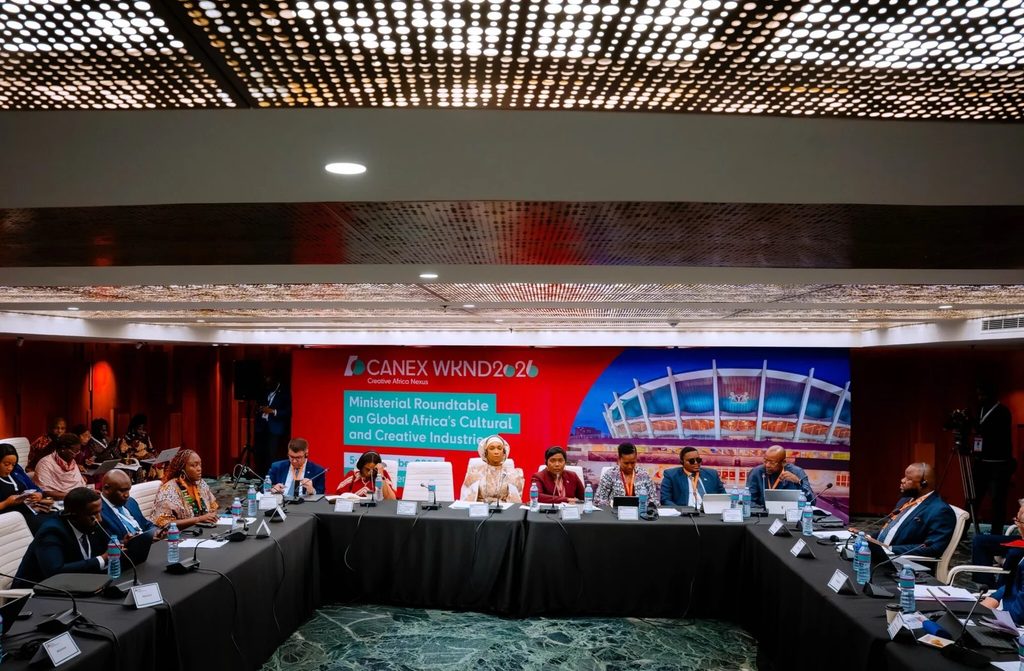
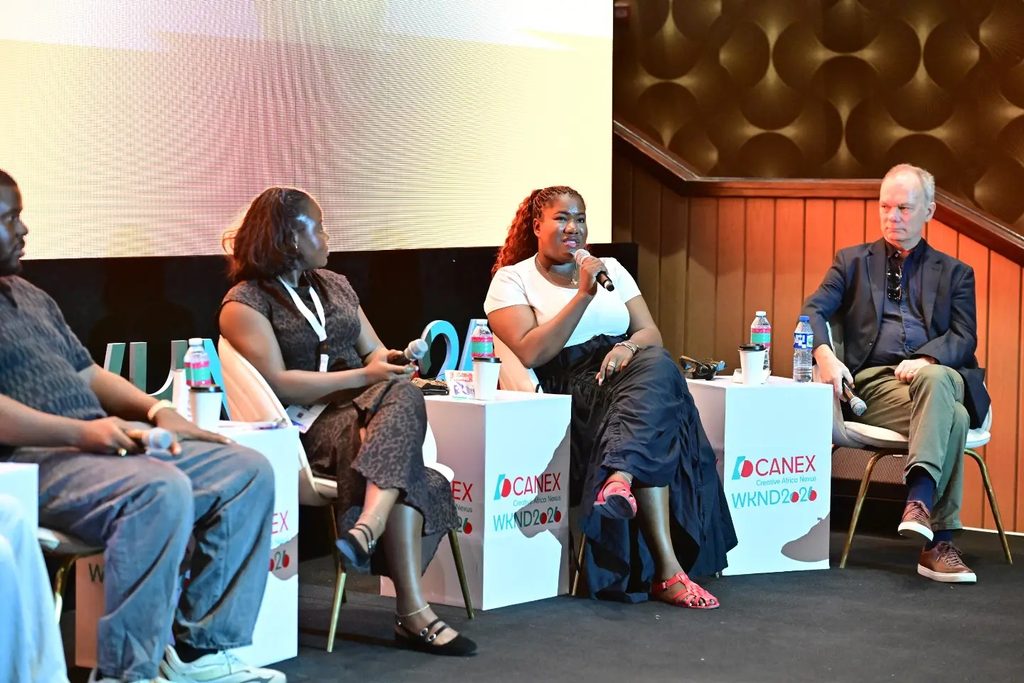
High Stakes and Heavy Hitting: The Creative Economy Summit
While the cultural displays captivated the senses, the intellectual engine of CANEX WKND 2026 ran on raw economic pragmatism. At the core of Afreximbank’s CANEX initiative is a single, clear objective: bridging the historical gap between creative talent and structural capital.
Throughout the Creative Economy Finance Summit, policymakers, institutional investors, and banking executives confronted hard truths. For decades, African creators have struggled with fragmented supply chains, opaque royalty collection frameworks, weak intellectual property enforcement, and severe underinvestment.
“Creativity has never been our deficit; infrastructure and structured financing have,” remarked one panelist during a packed session on intellectual property monetization. “We are moving past the era where African art is treated as a hobby or a philanthropic cause. It is asset-class material.”
Panels throughout the summit tackled critical industry verticals:
Film & Television: Sessions led by festival leaders and studio executives examined how to build sustainable regional ecosystems. Key debates centered on keeping production value high while constructing distribution infrastructure capable of monetizing content across a continent of 1.4 billion people.
The Business of Fashion: Industry leaders unpicked supply-chain bottlenecks, arguing for intra-African trade corridors under AfCFTA (African Continental Free Trade Area) to lower tariffs on raw textiles and finished garments.
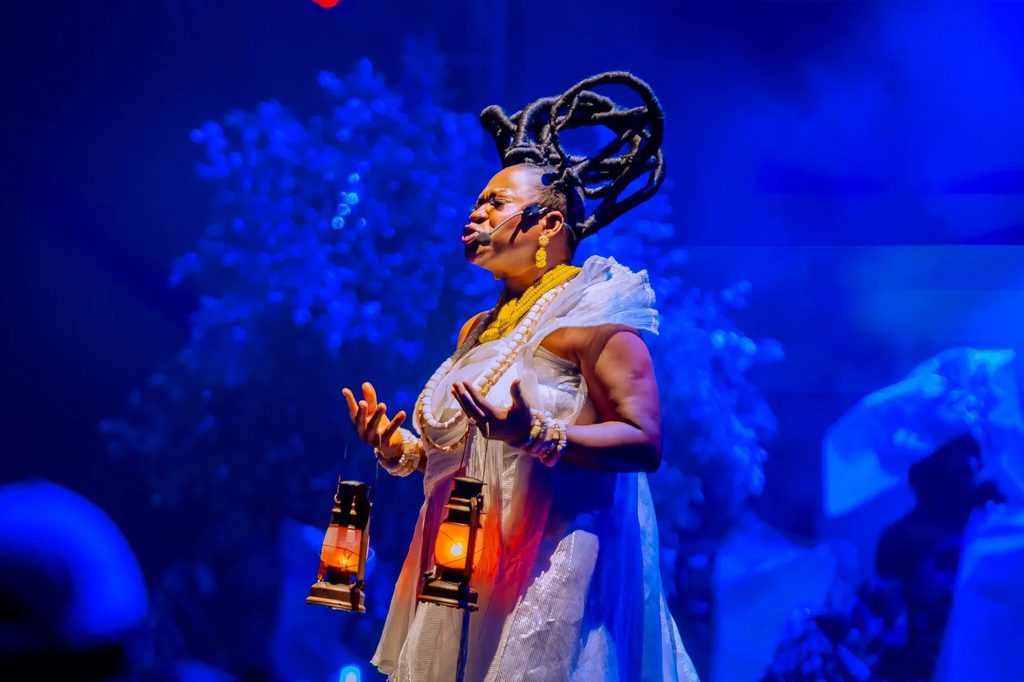
Performance Art at Scale: Directors and producers unpacked the mechanics of scaling commercial theater and live acts, shifting performance art from fleet-footed indie showcases to long-running, revenue-generating franchises.
Innovation at the Edge: The CANEX CreaThon
Recognizing that the future of African storytelling is inextricably linked with emerging technology, CANEX WKND 2026 put youth-driven tech front and center through the CANEX CreaThon, powered by Gebeya.
Over 48 intensive hours, young African developers, digital animators, sound engineers, and creative directors collaborated to solve pressing industry bottlenecks. Teams pitched solutions ranging from blockchain-based royalty tracking protocols for independent musicians to AI-driven dubbing platforms capable of translating Nollywood films into dozens of indigenous African languages in real-time.
The energy inside the CreaThon hub was infectious—a stark reminder that Africa’s demographic dividend (with a median age under 20) is poised to reshape the digital universe. The winning pitches received immediate seed backing and incubation support, ensuring that ideas hatched in Lagos over the weekend would mature into market-ready platforms.
Soulful Screens and Literary Stacks
Beyond the high-level dealmaking, CANEX WKND 2026 remained deeply anchored in the craft of human expression.
The CANEX Book Factory transformed quiet corners into vibrant literary salons. Writers, publishers, and literary critics gathered for debates on publishing rights, translation initiatives, and the imperative of protecting African narrative sovereignty. Authors engaged in spirited readings, grappling with themes of migration, identity, urban futurism, and historical memory.
Meanwhile, the film screenings highlighted a new wave of African cinema. Moving far beyond stereotypical tropes, the selected feature films and short stories reflected a continent looking inward with nuanced self-assurance. Directors brought gritty thrillers, delicate character studies, and speculative fiction to packed auditoriums, sparking lively Q&A sessions that ran late into the evening.
A Nocturnal Symphony: The Closing Showcase
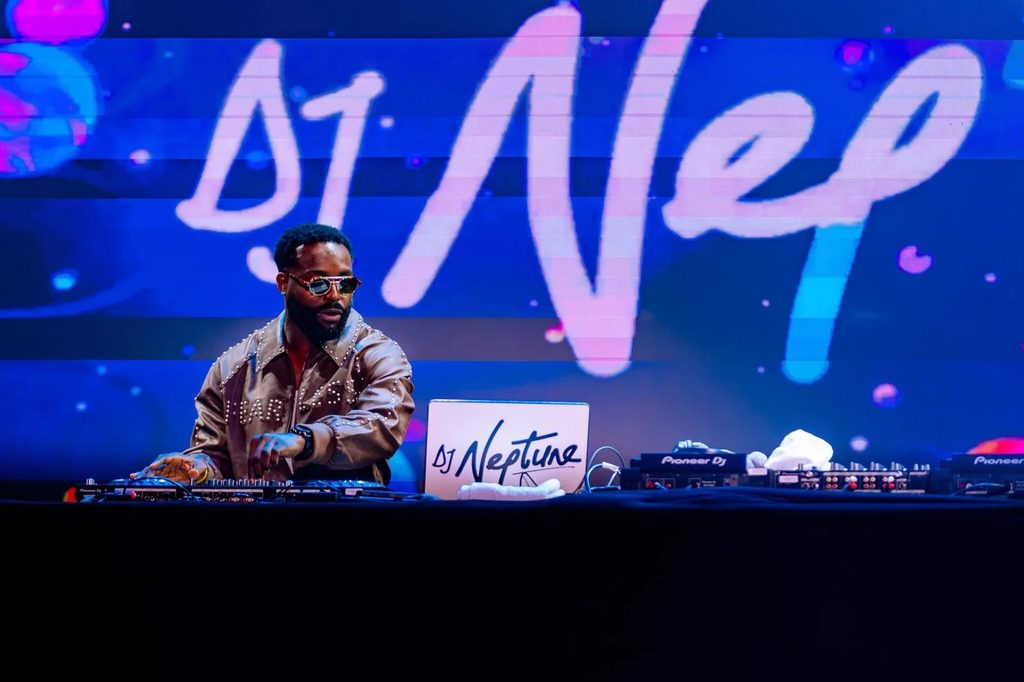
As night fell over the Lagos lagoon, the formal sessions yielded to the intoxicating energy of the CANEX Live Stage.
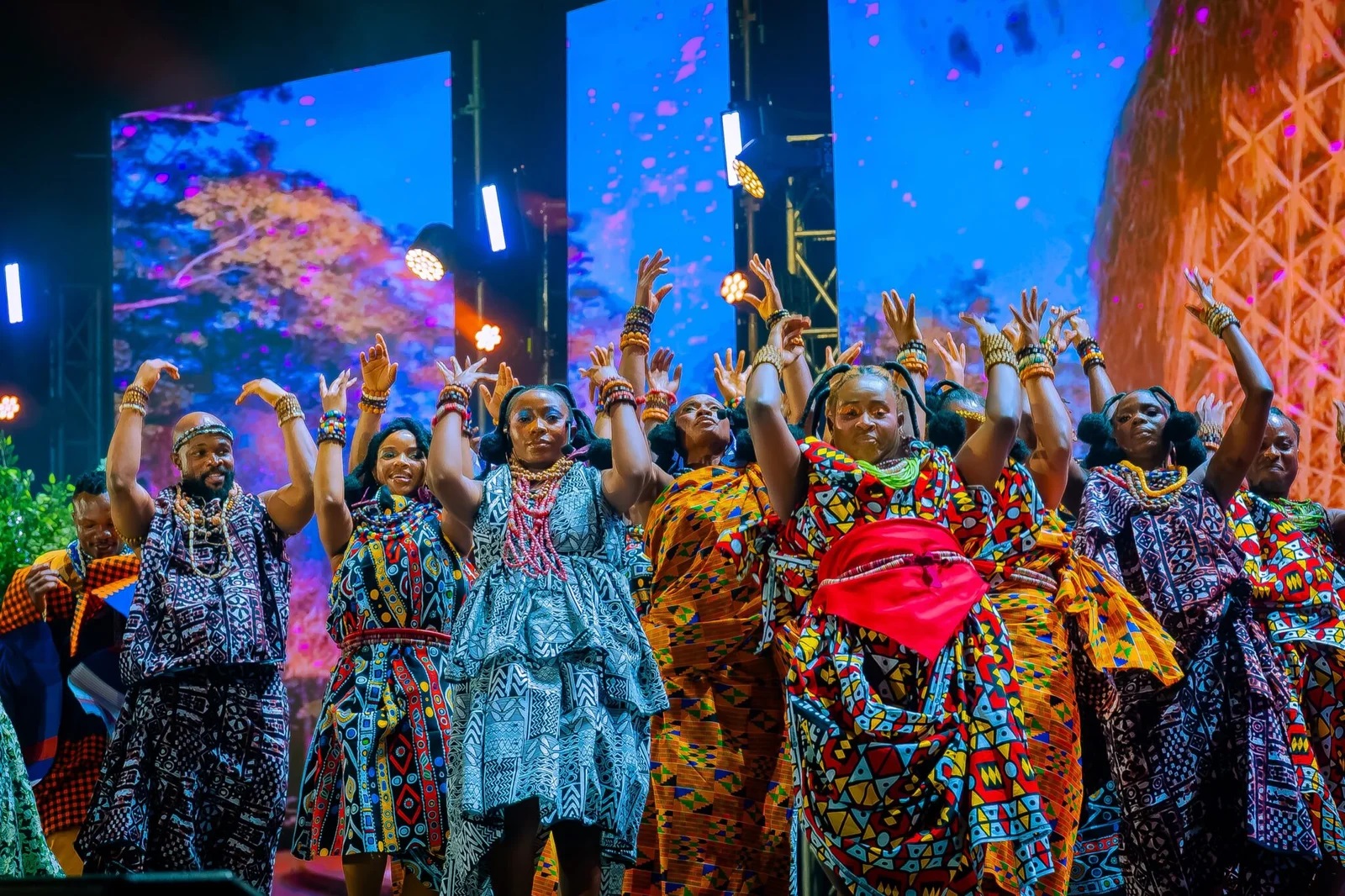
Lagos is a city that breathes through its music, and CANEX WKND capitalized on that spirit. The closing live concert brought together legendary icons and rising trailblazers from across the continent and the Diaspora. The setlists seamlessly stitched together Afrobeats, Amapiano, Highlife, Jazz, Soukous, and Hip-Hop.
Thousands of attendees danced under the humid Lagos sky, unified by rhythms that transcended linguistic and national lines. It was a visceral reminder of the event’s core motto: One People, United in Culture.
The Road Ahead: From Momentum to Legacy
As delegates pack their bags and head to Murtala Muhammed International Airport, the true test of CANEX WKND 2026 begins. History will judge the Lagos gathering not by the elegance of its fashion shows or the brilliance of its musical performances, but by the deals executed, the factories built, the film funds established, and the policy reforms enacted in its wake.
Yet, walking away from the Wole Soyinka Centre, an undeniable shift in posture is palpable.
Africa’s creative economy is no longer standing at the door asking for permission or seat adjustments at the global table. It is building its own table, crafting its own terms, and financing its own narrative future. Lagos was the focal point this November, but the reverberations of CANEX WKND 2026 will echo across the continent—and around the world—for years to come.