
 By
By Economic analysts predict a nearly $1.6M deficit
For the third consecutive year, the grand marble halls of the Colorado State Capitol are bracing for an unwelcome visitor: a massive, looming budget deficit.
Fresh economic forecasts delivered to the state’s Joint Budget Committee paint a grim picture for the upcoming legislative session. State analysts project that lawmakers will walk into the Capitol in January facing a staggering $1.6 billion general fund shortfall for the 2027–28 budget year.
For a state accustomed to the economic optimism of the boom years, the recurring crisis feels less like an unpredictable storm and more like a permanent climate shift. Lawmakers who spent the last two cycles slicing through state programs thought they were performing emergency surgery. Now, they realize they may have only been scraping the surface.
The Anatomy of a Billion-Dollar Hole
How does a state with a growing economy and steady tax collections find itself staring down a multi-billion-dollar abyss? According to state budget directors, the culprit isn’t a sudden collapse in income tax or a drying up of sales revenue. In fact, state revenues showed modest improvements.
Instead, the crisis is being driven by an unrelenting surge in safety-net program costs—most notably, Medicaid.
“Medicaid alone is causing the vast majority of this issue,” Mark Ferrandino, head of the Governor’s Office of State Planning and Budgeting, bluntly told lawmakers.
The numbers underlying that warning are severe. State health officials revealed that Medicaid—which provides vital health insurance to low-income Coloradans, seniors needing long-term care, and individuals with disabilities—ran $213 million over budget in the previous fiscal year. Compounding the problem, the Department of Health Care Policy and Financing expects costs to surge even further, threatening to blow past the current year’s allocation by another $443 million.
Driving these spikes isn’t just a ballooning number of enrollees, but the escalating cost of care itself. Specialized treatments, prescription drugs, and an aging population requiring intensive long-term nursing care are pushing expenditures up at an annual clip of nearly 14%—roughly double the growth rate of the rest of the state budget.
At the same time, the state is grappling with rising costs in other areas, including higher demands for food assistance programs and an expected loss of federal matching funds.
Caught in a Fiscal Vice: TABOR and Spending Realities
Compounding the legislative headache are Colorado’s unique constitutional constraints. Under the Taxpayer’s Bill of Rights (TABOR), the state is strictly limited in how much revenue it can retain and spend, capping budget growth at the combined rates of inflation and population growth.
Because healthcare costs are growing at a pace far outstripping the TABOR limit, the state finds itself trapped in a fiscal vice. Every dollar swallowed by medical inflation is a dollar stripped away from other vital public sectors.
Education advocates and higher-education leaders are watching the forecasts with mounting anxiety. In previous cycles, funding for K-12 public schools and state universities managed to escape the worst of the butcher’s knife, but lawmakers warn that protecting classrooms will become nearly impossible if the Medicaid trajectory goes unchecked.
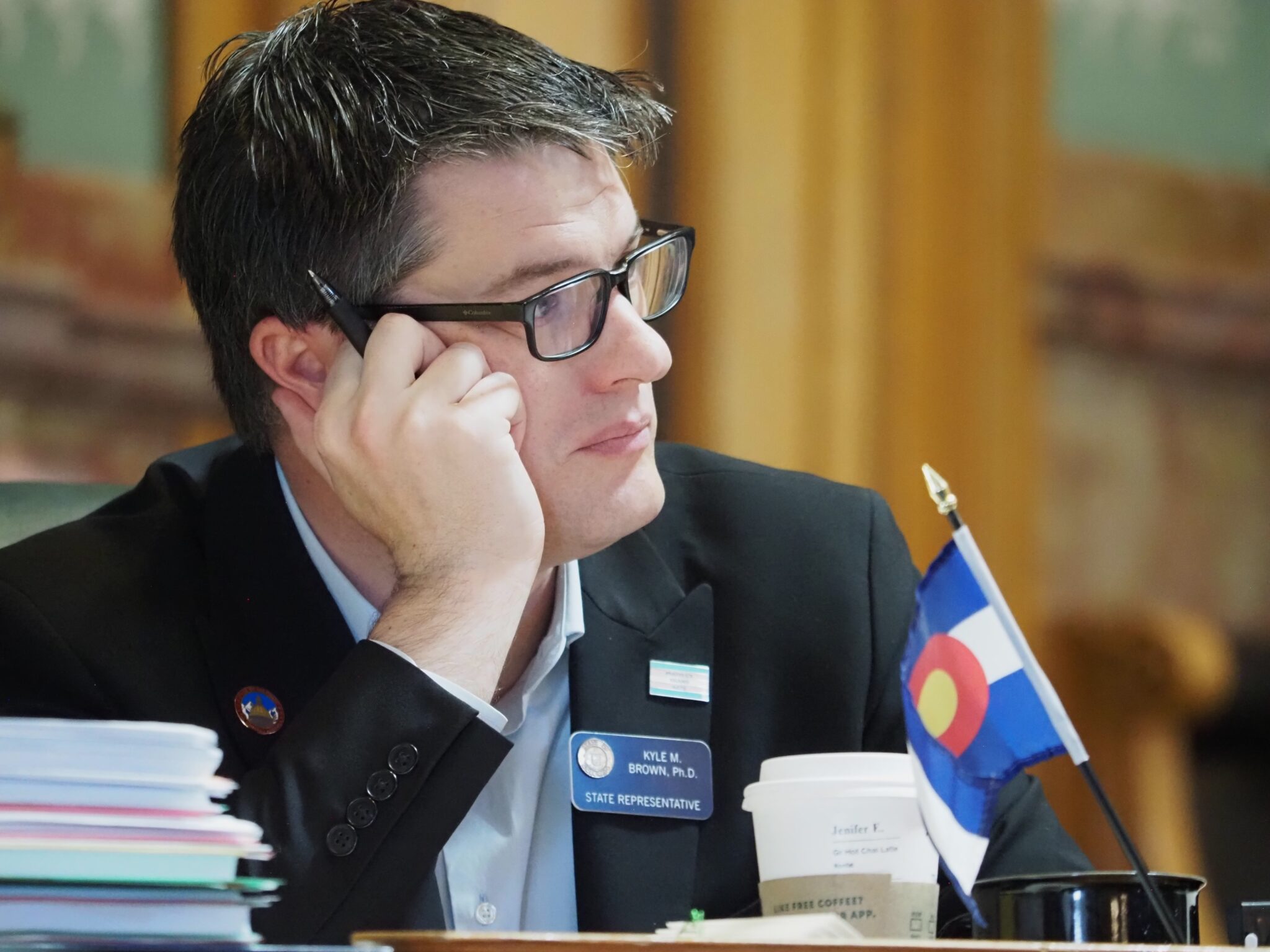
“Every state is dealing with rising Medicaid costs,” State Rep. Kyle Brown noted following the budget presentation. “We are working to reduce strain on our state budget by creating a more sustainable path for the program so that it doesn’t crowd out K-12 education or other core services funding.”
Tough Choices Ahead for a New Political Landscape
When the legislature convenes in January, members of the Joint Budget Committee will have very little low-hanging fruit left to prune. Past rounds of budget balancing already squeezed agency operating costs, delayed infrastructure projects, and trimmed one-time grants.
To bridge the $1.6 billion gap without plunging vital state services into chaos, lawmakers are weighing a few narrow, deeply painful pathways:
- Restricting Medicaid Growth: State budget architects suggest that if the legislature caps Medicaid spending growth to match the stricter TABOR limits—around 4%—it could shave nearly $915 million off the deficit. However, doing so would likely require deep cuts to optional provider reimbursements or specific medical services.
- Tapping Reserves: Lawmakers could once again dial down the state’s mandatory general fund reserve requirement—dropping it from the statutory 15% down to a leaner cushion, much as they did in previous sessions. While this provides temporary relief, fiscal conservatives warn it leaves Colorado dangerously exposed to any sudden economic downturn.
- Navigating Federal Shifts: Compounding local pain, impending federal policy changes and caps on hospital provider fees threaten to siphon away tens of millions in federal matching dollars that Colorado has historically relied upon to balance its healthcare ledger.
As Governor Jared Polis prepares to release his final executive budget proposal, the political atmosphere at the Capitol is charged with tension. Lawmakers are entering a delicate balancing act: figuring out how to keep the state solvent without pulling the rug out from under the vulnerable populations who rely on the safety net most.
For ordinary Coloradans, the protracted budget crisis means that the ripple effects of the Capitol’s arithmetic will soon be felt in classrooms, community health clinics, and local highways across the state.
How do you think Colorado should balance supporting critical healthcare programs while keeping the broader state budget sustainable?