
 By
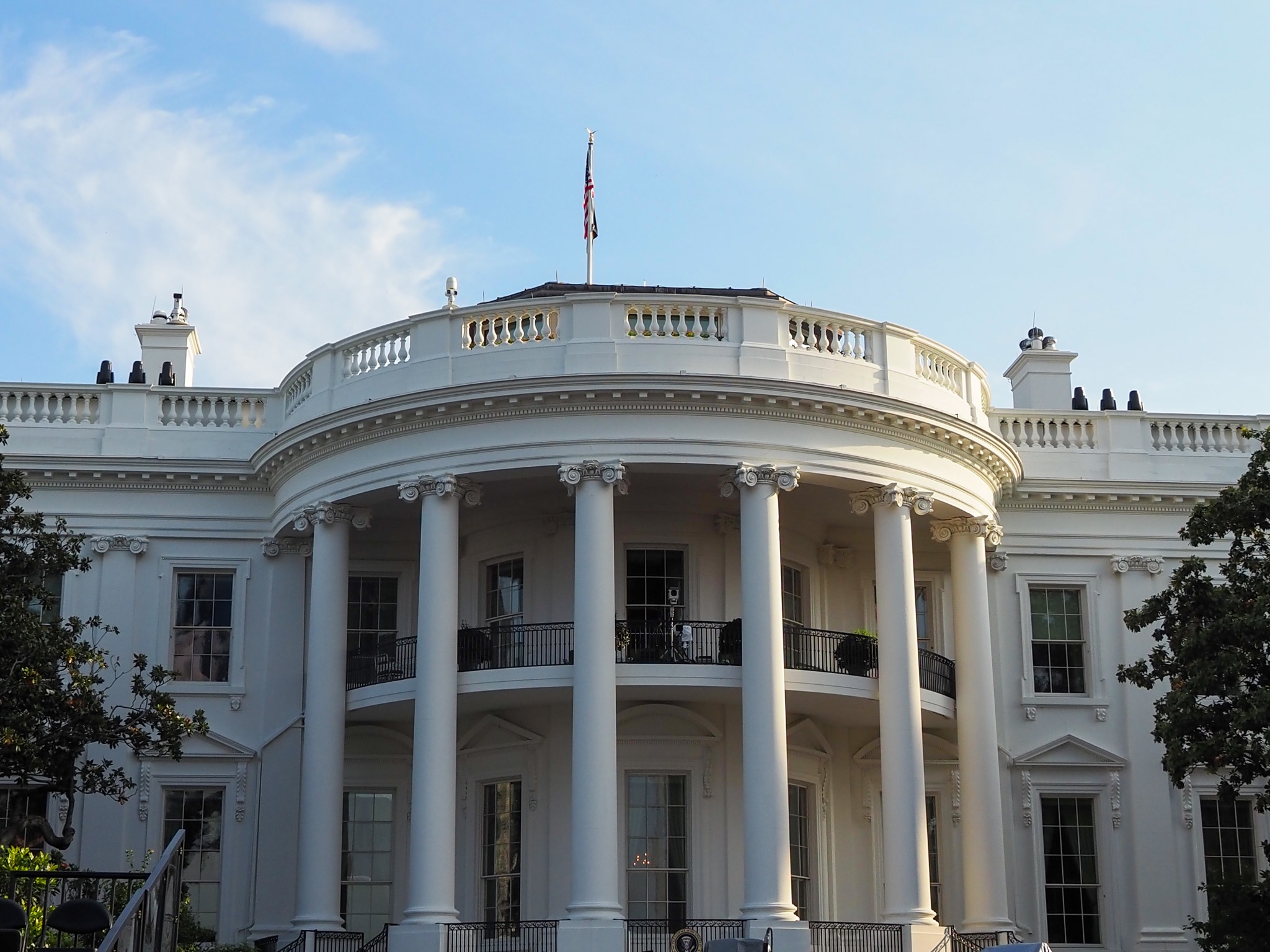
By When the electronic swipe pads at the White House Northwest Gate flashed red on a humid Saturday morning, the subtle double-beep sounded less like a security routine and more like a seismic shift in American democracy.
Reporters from CNN, Politico, and MS Now—veterans of fast-paced presidential coverage who had walked through those iron gates for years—stood momentarily confused in the morning light. Their hard passes, the coveted plastic credentials hanging from lanyards that grant access to the Briefing Room, the West Wing, and the iconic Rose Garden, had been abruptly deactivated. Within minutes, Secret Service officers politely confiscated the badges.
The quiet deactivation was the practical execution of a decree delivered hours earlier via social media. President Donald Trump announced that three of the nation’s largest news institutions would no longer be permitted on the premises, branding their coverage as “fake news,” “fiction,” and an “assault” on the country.
What began as a dramatic weekend exclusion has swiftly metastasized into an unprecedented legal and constitutional showdown. On Monday, the three banished news outlets filed a joint lawsuit in the U.S. District Court for the District of Columbia, accusing the administration of a “blatant violation” of First and Fifth Amendment protections. The legal clash—and the striking, unified pushback from the rest of the White House press corps—has laid bare a fundamental dispute over who controls access to the “People’s House” and whether a president can decide which journalists are allowed inside to hold power accountable.
Retaliation or Access Control? The Legal Fault Lines
At the heart of the joint filing by CNN, Politico, and MS Now is a simple, enduring constitutional argument: while the executive branch can govern physical security, it cannot grant access to a public facility and then revoke it solely because it dislikes what a reporter writes.
In their request for an emergency temporary restraining order, the media organizations lean heavily on decades of First Amendment precedent. Their argument centers on the 1977 landmark decision Sherrill v. Knight, in which the D.C. Circuit Court ruled that the White House press facility had become a limited public forum, and credentials could not be denied or revoked arbitrarily without due process. They also reference similar challenges from Trump’s first term—most notably when former CNN correspondent Jim Acosta successfully sued to have his press pass restored in 2018 under similar circumstances.
The administration, however, frames the issue not as a suppression of free speech, but as a management of privilege.
“He’s not banning media outlets,” Vice President JD Vance argued in defense of the action. “What he’s doing is saying we’re not going to give you special access inside the White House if you engage in what is effectively propaganda.” Vance noted that reporters from the barred outlets remain free to write about the administration, speak to sources, and broadcast from outside the gates.
Trump took to Truth Social to double down on the decision, describing the legal battle as an “assault on the FAKE NEWS”. He asserted that publications producing “persistently negative” and “defamatory” coverage should not enjoy the proximity of the Oval Office.
A Silent Room: Solidarity in the Press Corps
If the administration anticipated that competing newsrooms would quietly step into the void left by their banished colleagues, the immediate aftermath proved otherwise.
In an unusual display of unity within a fiercely competitive industry, the major broadcast networks—ABC, CBS, NBC, and Fox News—announced a dramatic counter-response. Effective immediately, they refused to fulfill their duties for the rotating television “pool”—the shared arrangement where one network films presidential events and distributes the raw footage to all news organizations globally.
The practical impact was felt instantly. When President Trump held a ribbon-cutting ceremony for a new White House helipad, professional television cameras were noticeably absent. The administration was forced to stream the event via an official White House feed; lacking specialized media audio setups, the president’s speech was rendered nearly inaudible over the roar of idling helicopter blades.
Simultaneously, print newsrooms—including The Washington Post, The New York Times, and the Associated Press—withheld photography taken during White House events.
“The public has a vital interest in receiving accurate, independent information about its government,” the major broadcast networks said in a rare unified statement. “No administration should restrict a news organization because it objects to its reporting.”
The Human Reality Beyond the Legal Briefs
Behind the constitutional filings and political posturing lie the working lives of beat reporters whose daily routines have been upended.
Covering the White House is an exercise in close proximity. It involves waiting hours in cramped, windowless press offices, catching an official in a hallway, reading physical cues in the Oval Office, and asking pointed, unscripted questions over the roar of Marine One.
For the reporters locked out over the weekend, the ban cut off the lifeblood of primary-source journalism. They were left piecing together events through secondary livestreams, relying on colleagues inside to share pool notes, and working from coffee shops across Pennsylvania Avenue.
Meanwhile, the White House press room floor has begun reflecting a shifting media strategy. As traditional badges were deactivated, the administration welcomed independent bloggers, podcasters, and online influencers to press seats—voices often far more favorable to the administration’s narrative.
The High Stakes of Precedent
Legal scholars emphasize that this suit is about far more than press passes for three specific outlets. It touches on the core architecture of American democracy: whether executive power can dictate the terms under which it is observed.
“Once a government official opens up a space to journalists generally, that official cannot selectively shut the door based on viewpoint,” says constitutional law expert Jameel Jaffer of the Knight First Amendment Institute. “If a president can choose who covers them based on whether the coverage is favorable, the press ceases to function as an independent watchdog and becomes an instrument of state optics.”
The case has been assigned to U.S. District Judge Timothy Kelly—the very judge who ordered the restoration of Jim Acosta’s press pass in 2018. A decision on the emergency injunction is expected within days.
Until then, the gates at 1600 Pennsylvania Avenue remain a symbol of a deepening divide. Inside, an administration insists on its right to curb what it views as unfair media hostility. Outside, a unified press corps contends that without a free, unfettered view inside those doors, it is the public’s right to know that ultimately pays the price.