
 By
By Before you vote, see what your choices could mean.
We want to help you understand not just what's on the ballot, but what could happen afterward. Colorado Tradeoffs lets you test the choices, see the budget implications, and decide how you would respond.
Give it a try below. It takes less than 10 minutes.
As Colorado barrels toward the November 3, 2026, general election, the state’s political landscape is defined less by party-line predictability and more by a palpable, restless search for accountability.
With the primary season now in the rearview mirror—having concluded on June 30—voters are finding themselves navigating a complex web of high-stakes federal contests, local budget battles, and a national political environment that feels increasingly detached from the day-to-day realities of life in the Centennial State.
The 2026 cycle has been historic not only for its intensity but for its sheer financial volume. By mid-summer, campaign committees had already burned through over $102.64 million.
Yet, despite this flood of capital, the primary results proved that Colorado’s electorate remains stubbornly unpredictable.
In Denver and across the Front Range, incumbents and well-funded establishment candidates found themselves vulnerable, with recent primary upsets sending shockwaves through the political hierarchy.
The Issues Defining the Debate
If one were to distill the anxieties of the Colorado voter in 2026 into a few core pillars, they would undoubtedly be affordability, healthcare, and the accelerating impact of climate change. These issues are no longer abstract policy concerns; they are the kitchen-table reality for a state that has seen rapid demographic and economic shifts over the last decade.
Affordability, specifically the housing crisis, remains the primary hurdle for both parties. As the cost of living continues to stretch the budgets of working-class families, candidates have been forced to move beyond boilerplate rhetoric. While Democrats have centered their platforms on tenant protections and public investment in workforce housing, Republicans have leaned heavily into deregulation, arguing that the state’s restrictive zoning and development climate are the true culprits behind the supply shortage.
Healthcare and reproductive rights also continue to serve as galvanizing forces. In the wake of national shifts, Colorado has positioned itself as a critical access point for reproductive healthcare, making it a focal point for both state-level legislative races and federal congressional contests.
The defense of these rights is a central pillar for Democratic candidates, while their opponents often attempt to pivot the conversation toward healthcare costs and provider accessibility.
A State in Flux: The 2026 Battleground
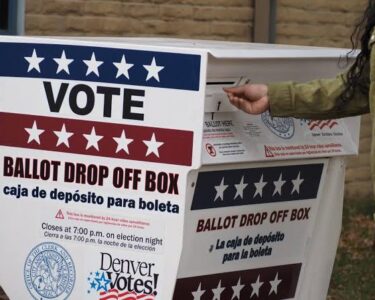
The political climate in Colorado is complicated by a national context that feels increasingly heavy. Throughout the year, there has been friction between state officials and federal entities regarding election administration and oversight. Despite these external pressures, Colorado election officials have maintained a posture of resilience, emphasizing the strength and security of the state’s mail-in ballot system.
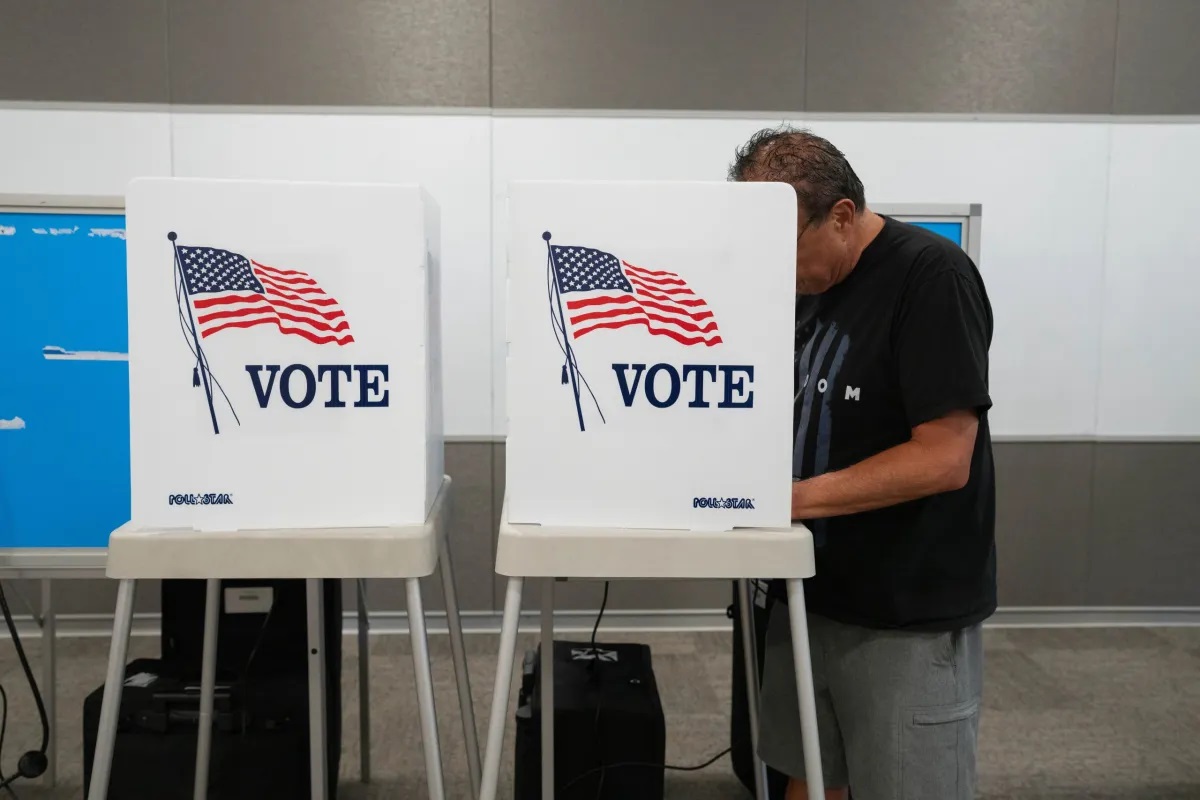
However, the noise from Washington is impossible to ignore. As voters head to the polls this November, they are casting ballots not just for local representatives or the gubernatorial office, but as participants in a broader referendum on the direction of the country.
This nationalization of local races has created a unique dynamic: candidates are often forced to spend more time defending or denouncing national figures than explaining their specific legislative agendas for the state.
The Myth of the “Safe” Seat
Perhaps the most significant takeaway from the 2026 cycle is the erosion of safe harbors. The “blue wave” that once seemed to define the state’s urban centers is showing cracks. The primary upsets observed in Denver’s congressional races suggest a shifting tide, where the electorate is showing a growing appetite for candidates who challenge the status quo, even within the dominant party.
This sentiment of disillusionment is not confined to one side of the aisle. The Republican Party, currently navigating its own identity crisis within the state, has struggled to present a unified front that resonates with suburban, moderate voters—a demographic that has become the true kingmaker in Colorado politics. Without capturing this center, the path to statewide victory remains narrow.
Looking Toward November
As the calendar turns toward November, the final stretch of the campaign will be defined by the “ground game”—the door-knocking, the localized town halls, and the battle for the undecided voter. Candidates who can successfully bridge the gap between national ideological warfare and the tangible needs of Coloradans will be the ones to prevail.
The $100 million-plus spent so far has made it clear: the political establishment knows that Colorado is no longer a guaranteed win for anyone. It is a battleground where the outcome is determined not by the size of a war chest, but by the ability to connect with a weary, pragmatic, and increasingly demanding electorate. For Colorado, the 2026 election is not just about choosing leaders; it is a critical test of whether the state’s political system can still function as a vehicle for the people it serves, or if it will succumb to the gridlock that has paralyzed so much of the rest of the nation.