

 By
By 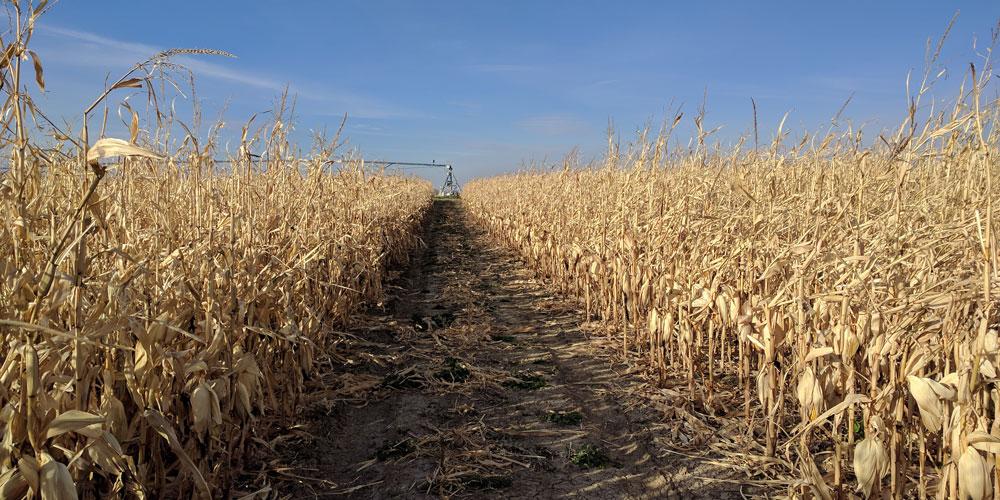
Farming is a tough and often thankless job. Farmers are tough people who proudly dedicate their lives to feeding the world. Yet even they have their limits. A barrage of modern-day challenges threatens to drive many operations out of business. At the same time, lawmakers, often with the best intentions, are developing policies and regulations that deepen the challenges farmers face.
In the most recent Census of Agriculture, the U.S. Department of Agriculture (USDA) reported that Colorado has lost 1.6 million acres of farmland between 2017 and 2025, a 7% decline. This is significant because agriculture is the second-largest economic driver of the state, accounting for $47 billion in economic activity and 195,000 jobs.
There is a legitimate worry that this trend could have a ripple effect on the economy of the state if allowed to continue. Details of this issue were a focal point of a recent joint hearing between the state Senate and House Agriculture Committees. Farm managers say the pressure is coming from multiple directions at once: stagnant commodity prices, rising input costs, workforce shortages, and a growing list of regulatory requirements.
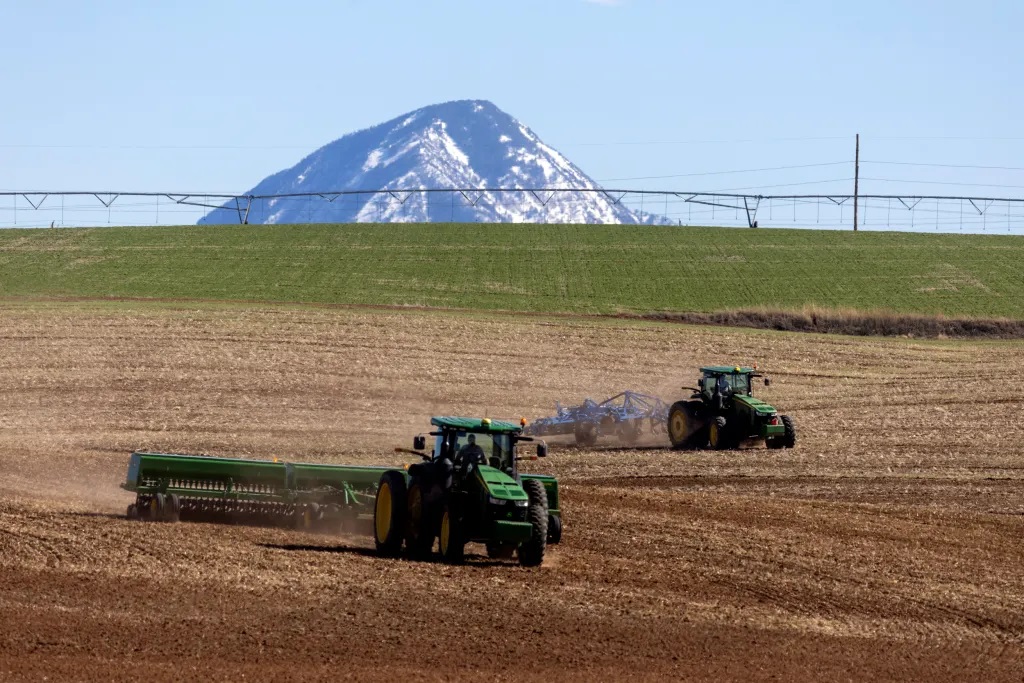
Farmers all over Colorado are having their operations leaning harder on automation, including an AI-driven “eco” sprayer that identifies plants versus weeds in real time. It scans, analyzes, and sprays in under 250 milliseconds. This technology has helped cut the use of crop protection products dramatically, but it comes with a steep price tag. The system costs $500,000 plus an $11,000 a year licensing fee.
A major flashpoint is Colorado’s agricultural overtime requirement. Republican state Sen. Byron Pelton questioned what the labor crunch means for the broader agriculture economy: “What are you guys seeing with the $47 billion economy that agriculture produces in the state and with the low labor force that’s coming?”
Robert Sakata, acting Colorado agriculture commissioner, said during the joint hearing that the department is trying to respond with worker-focused support: “We’re doing as much as we can to support not only agricultural workers, but the employers, as they try to attract the workforce that we need in Colorado.”
Recent media highlights show just how contentious the issue has become, as worker advocates warn against proposals that would raise the overtime threshold. Former Colorado legislator and civil rights leader Polly Baca urged lawmakers to reject changes that would require longer workweeks before overtime pay kicks in: “We urge lawmakers to reject any proposed bill that would require farm workers to work 60 hours before earning overtime.”
Agriculture leaders say the broader economics are already pushing farms out. Marilyn Bay, executive director of the Colorado Fruit and Vegetable Growers Association, pointed to the USDA Census of Agriculture decline: “Between 2017 and 2025, we lost 7.2 percent of our farms, or over 2,800- that’s huge!”
In addition to proposals for pesticide-coated seed regulation and possible limits on emissions from farm equipment, Colorado producers are also tracking a new wave of temperature-safety proposals at both the state and federal levels that could add compliance costs and paperwork ahead of the next growing season.
Colorado lawmakers introduced House Bill 25-1286, a sweeping proposal aimed at “protecting workers from exposure to extreme temperatures.” The bill would require employers to implement protections for both hot and cold conditions, including mitigation measures, rest breaks, and a temperature-related injury and illness prevention plan.
Among the more prescriptive provisions are those requiring employers to provide access to shaded or cooled break areas and to allow employees to drink water when heat conditions are present, with language requiring at least 32 ounces of potable water per hour per employee and that it be maintained 60°F or cooler. For cold conditions, the proposal requires access to warmth, monitoring for symptoms of cold illness, and paid warm-up breaks.
HB 25-1286 also requires recordkeeping and written plans for larger employers, with enforcement mechanisms and penalties. If enacted, the bill is set to go into effect on April 1, 2026, although the bill contains a referendum clause that could put the bill’s implementation on hold until after the November 2026 election if a petition is filed.
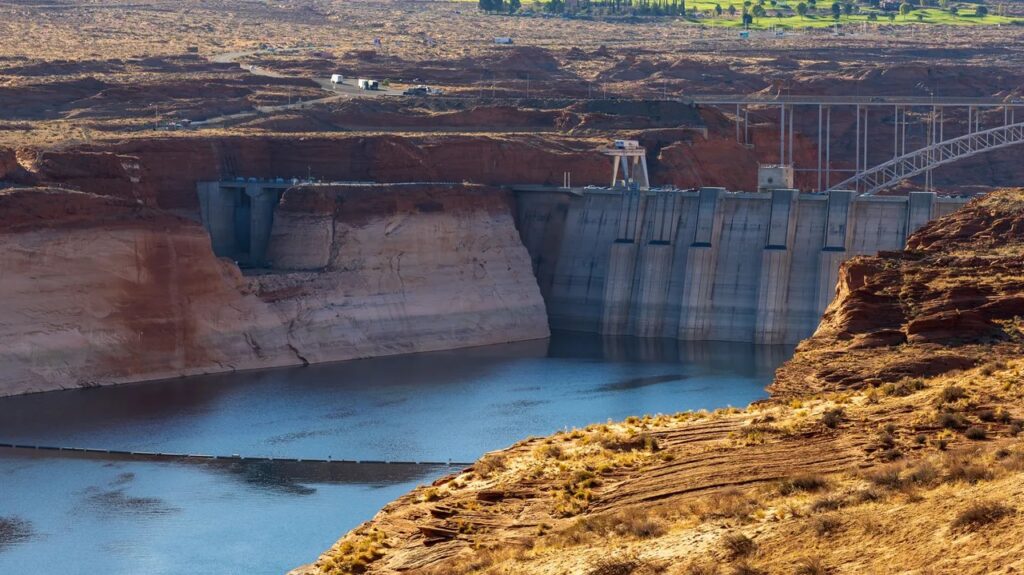
Another contentious issue affecting farmers in Colorado is the water levels that have fallen critically low at both major Colorado River system reservoirs, creating concerns for farmers and urban users alike.
Though an anomaly in the early 1980s saw quick and heavy runoff fill lakes Mead and Powell to capacity, the reservoirs have seen sharp and steady declines ever since. Since 2000, the natural flow of the river has averaged 12.3 million acre-feet, over 4 million acre-feet short of delivery promises.
Conservation efforts under a 2007 agreement called the “Interim Guidelines for Lower Basin Shortages, and the Coordinated Operations for Lake Powell and Lake Mead” sought to reverse river system declines that began in earnest in the late 1990s. That plan has failed to work as drought conditions have moved faster than the policy adjustments.
All these have so far led to Colorado’s gradual decline in agriculture. Right now, it seems the government is only paying lip service to the crisis, and the majority of Coloradans don’t know what will hit them if nothing is done to address this crisis. As it stands, the food security of Colorado and America stands on shaky ground.