
 By
By 
For many families, especially within the African and diaspora communities, real estate ownership has long symbolized stability, dignity, and arrival. Yet despite hard work and rising educational attainment, ownership often remains delayed or out of reach for the next generation. The challenge is not ambition. It is not desired. Increasingly, it is not even income. The deeper issue lies in how ownership is taught or not taught within families and communities. Raising a generation that owns real estate requires more than encouraging children to work hard. It requires intentional education, cultural reframing, and early exposure to the systems that govern ownership.
Ownership is not accidental. It is learned, modeled, and inherited through knowledge as much as through assets. Ownership as a mindset, not a milestone. In many households, real estate is presented as a distant reward, something to pursue “one day” after years of sacrifice. Children grow up hearing that owning a home is expensive, risky, or unrealistic. Over time, this narrative quietly shapes expectations. Ownership becomes optional rather than foundational, yet ownership is not merely a milestone; it is a mindset. Children who grow up in environments where property is discussed openly as an asset, a responsibility, and a tool to develop fundamental relationships with money and long-term planning. They learn that housing is not just consumption, but a strategy. Raising owners begins with shifting the conversation from it to when and from fear to preparation.
The Cultural Foundations of Land and Legacy
Across African societies, land has historically held profound significance. It represents continuity, belonging, and inheritance. Homes were not simply structures, but anchors of family identity and generational memory. These values remain deeply embedded in the diaspora, even when formal ownership systems differ. However, migration often disrupts the transfer of this wisdom. Families arrive in new countries where land ownership operates through unfamiliar financial systems like credit scores, mortgages, taxes, and legal documentation. While cultural respect for land remains a practical understanding of modern ownership mechanisms. The result is a disconnect: children inherit the value of ownership, but not the roadmap to achieve it. Bridging this gap requires translating cultural wisdom into modern financial literacy, showing the next generation how ancestral values align with contemporary tools.
Why Early Exposure Matters
Children form financial beliefs long before they earn their first paycheck. What they observe at home becomes their reference point. When children see rent paid monthly with no conversation about equity, ownership feels abstract. When they hear adults speak fearfully about debt or dismiss homeownership as unattainable, those beliefs take root. Conversely, when children are included in age-appropriate conversations about budgeting, saving, credit, and property, they internalize ownership as normal. Simple practices like explaining what a mortgage is, why taxes matter, or how equity works help build familiarity and confidence. Early exposure does not mean pressure.
Education Beyond the Classroom
Formal education rarely teaches real estate literacy. Schools emphasize earning potential but rarely explain asset building. As a result, many young adults graduate with degrees yet lack understanding of credit, financing, or property acquisition. Families and communities must fill this gap. Workshops, seminars, mentorship, and community-based education play a vital role in understanding ownership. When young people learn from trusted voices within culturally familiar spaces, information becomes accessible and relevant. Education that reflects lived experience resonates more deeply than generic advice. It shows young people that ownership is not reserved for others. It is achievable for them.
Modeling Ownership Through Action
Children learn as much from observation as from instruction. Families that model ownership, whether through purchasing a home, investing in property, or discussing long-term plans, provide a living example. Even when ownership is not yet achieved, transparency matters. Sharing goals, challenges, and strategies teaches resilience and planning. It reframes obstacles as steps rather than endpoints. Ownership modeling also includes responsibility. Teaching children about maintenance, taxes, and community involvement emphasizes that owning property is not just about acquisition, but also stewardship.
From Individual Success to Generational Strategy
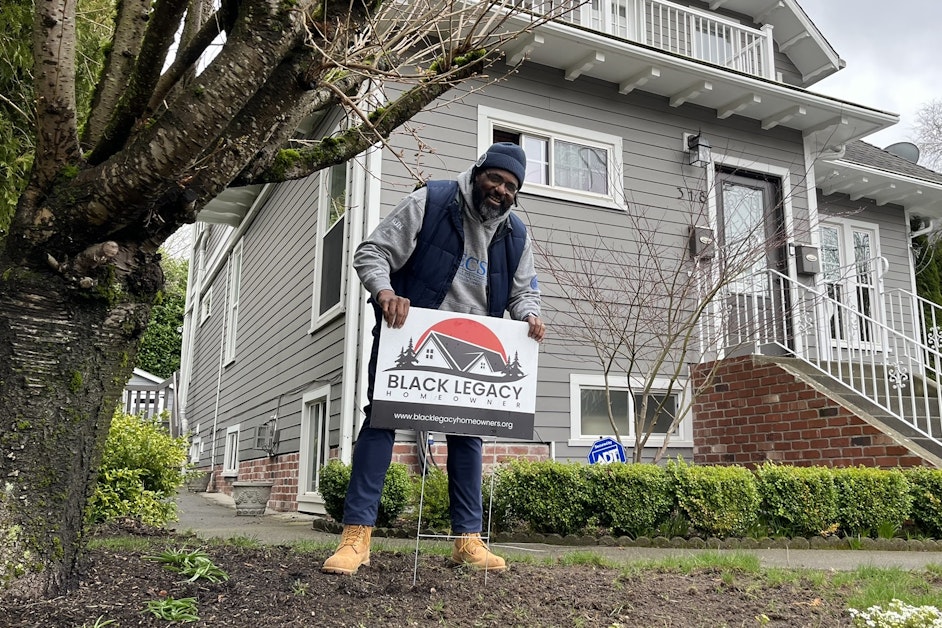
Raising a generation that owns real estate is not about isolated success stories. It is about building repeatable patterns. When ownership becomes part of family culture, it compounds over time. One generation’s first home becomes the next generation’s starting point. Equity provides leverage. Knowledge reduces risk. Each cycle strengthens its foundation. Collective knowledge reduces barriers and accelerates progress.
The Role of Community and Culture
Ownership thrives in supportive environments. Community organizations, nonprofits, and cultural gatherings create spaces where families can learn together. These forums reduce stigma, encourage dialogue, and reinforce shared goals. Culture plays a powerful role here. When ownership is framed as a continuation of cultural values, legacy, responsibility, and collective uplift, it gains emotional resonance. It becomes not just a financial goal, but a cultural obligation. Communities rooted in identity are better positioned to build sustainable wealth because they move together.
Preparing the Next Generation for a Changing Market
The real estate landscape continues to evolve. Rising prices, changing interest rates, and shifting demographics present new challenges. Preparing for the next generation requires adaptability and continuous learning. Teaching young people to analyze markets, understand risk, and think long-term equips them to navigate uncertainty. Ownership education must be dynamic, reflecting current realities while grounded in timeless principles. Flexibility, informed decision-making, and patience are essential skills for future owners.
Ownership as Freedom and Responsibility
At its core, real estate ownership represents choice. It provides stability, leverage, and a platform for growth. But it also demands discipline, planning, and accountability. Raising a generation that owns real estate means teaching both sides of this equation. Ownership is empowerment, but it is also commitment. When young people understand this balance, they approach property with respect rather than fear.
Building Futures, Not Just Homes
Raising a generation that owns real estate is a deliberate act of vision. It requires families and communities to move beyond survival thinking and toward legacy planning. It calls for honest conversations, shared knowledge, and cultural alignment. Ownership does not begin with a transaction. It begins with education, mindset, and setting a good example. When children grow up seeing property as a tool for stability and opportunity, they are positioned to build futures rather than chase security. In doing so, communities do more than increase ownership rates. They cultivate confidence, continuity, and generational prosperity, ensuring that the next generation does not start from scratch, but from a position of strength.
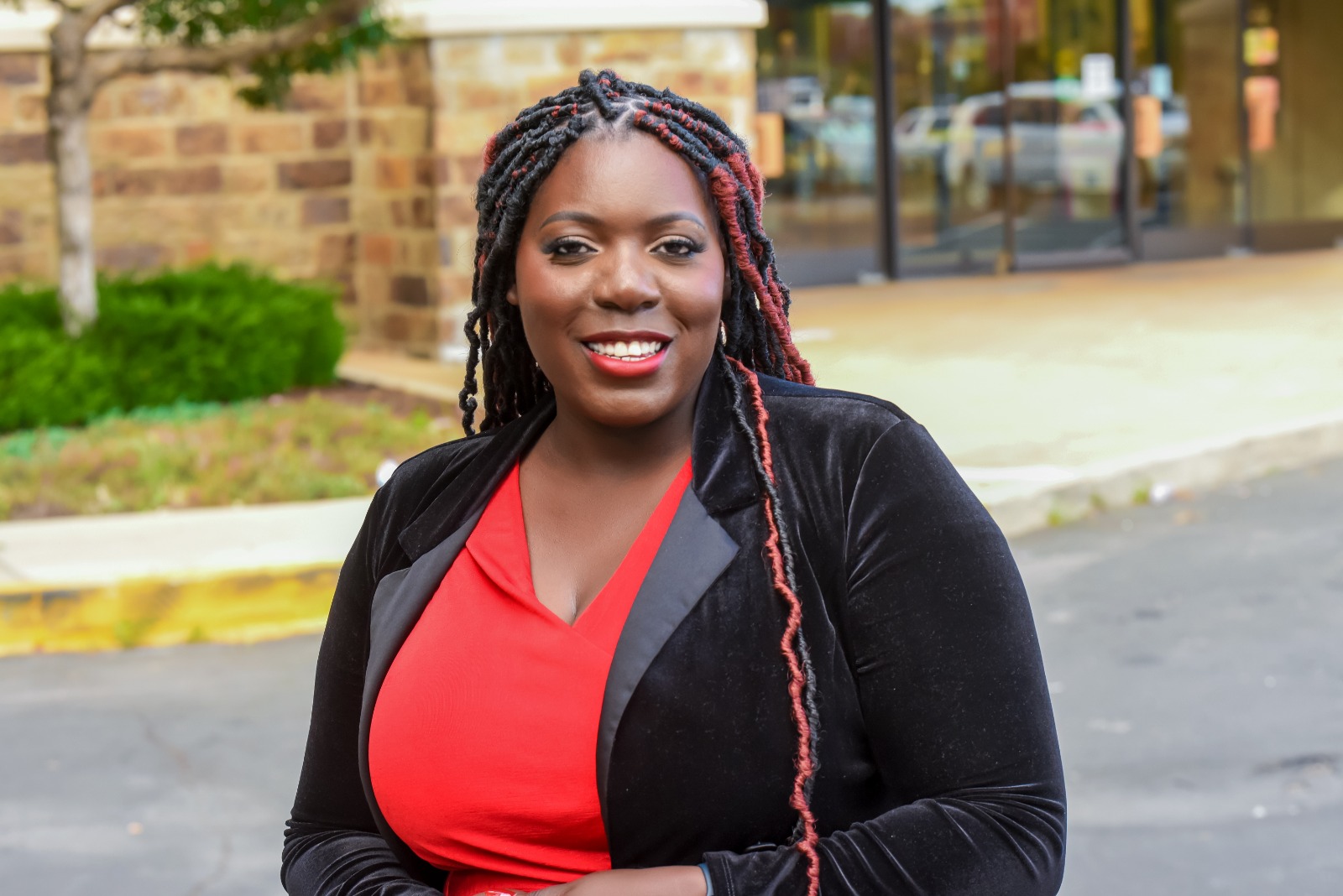
Jennipher Kateregga is a Denver-based realtor.
