
 By
By Before you vote, see what your choices could mean.
We want to help you understand not just what's on the ballot, but what could happen afterward. Colorado Tradeoffs lets you test the choices, see the budget implications, and decide how you would respond.
Give it a try below. It takes less than 10 minutes.
Every March, Women’s History Month offers a powerful opportunity to reflect on the generations of women who have shaped the course of history—often against extraordinary odds. It is a time not only to celebrate well-known pioneers, but also to honor the countless women whose names may not appear in textbooks, yet whose courage, labor, creativity, and leadership transformed families, communities, and the nation.
Women’s History Month is more than a celebration. It is a call to learn, to reflect, and to carry forward the work of building a more inclusive future. By honoring the achievements of women past and present, we reaffirm a simple but powerful truth: when women rise, nations move forward.
By any honest measure, the story of the United States is incomplete without the women who built it, defended it, challenged it, and reimagined it. From Indigenous leaders and colonial homemakers to civil rights strategists, scientists, artists, and presidents-in-waiting, women have not merely participated in American history—they have shaped its direction at every turning point.
In the 21st century, women have achieved greater representation in prominent roles in American life but the influence of women on the formation of American society goes way back. Women have fundamentally shaped American history by leading, and often spearheading, major social reforms, pioneering scientific and industrial advancements, and securing essential voting and civil rights. According to historians, women’s history is integral to understanding the American experience itself, and museums and scholarly work increasingly highlight their impact alongside well-known figures and events.
From the earliest days of colonial settlement and the abolitionist movement to the heights of modern space exploration and governance, women have been the unacknowledged architects of the American experience. They have shaped the nation not just through domestic influence, but by leading social revolutions, sustaining the economy during global conflicts, and pioneering scientific breakthroughs that changed the world.
Long before the Declaration of Independence, women in Indigenous nations governed, traded, farmed, and influenced diplomacy. In the Haudenosaunee (Iroquois) Confederacy, clan mothers held political authority, selecting and advising male chiefs. Their governance systems influenced democratic thought in colonial America.
In colonial settlements, women were economic engines. They ran farms, managed family businesses, produced textiles, preserved food, and raised children who would become the nation’s first citizens. Enslaved African women labored under brutal conditions while sustaining family networks and preserving cultural traditions that would profoundly influence American music, religion, and cuisine.
Though denied formal political power, women were indispensable to the colonies’ survival.
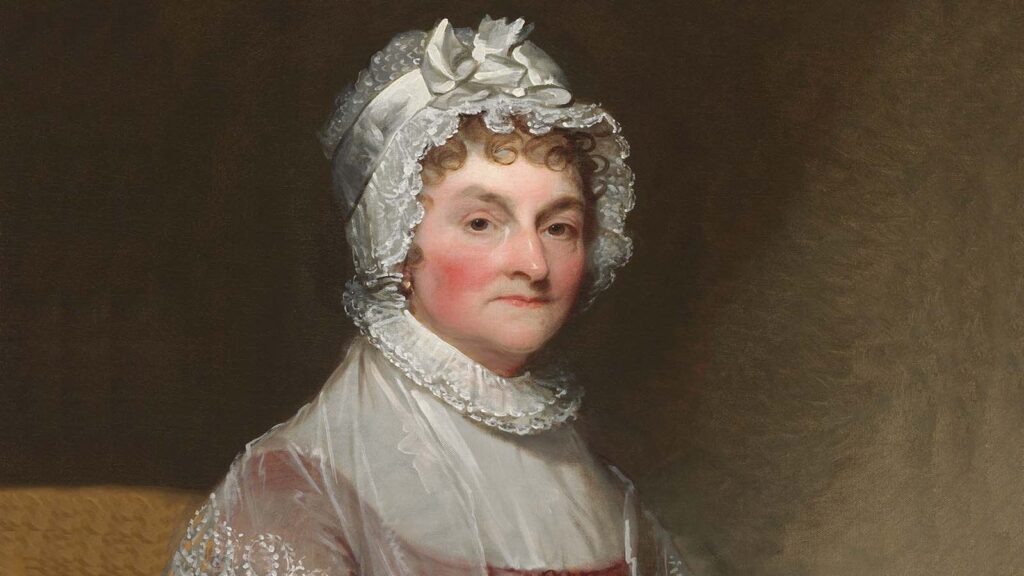
The American Revolution was fought not only on battlefields but in homes and town squares. Women organized boycotts of British goods, produced homespun cloth, and kept farms operational while men were at war. Some, like Abigail Adams, directly challenged the new nation’s leadership. In her famous 1776 letter urging her husband to “remember the ladies,” she foreshadowed a struggle for equality that would span centuries.
Others crossed into combat zones. Deborah Sampson disguised herself as a soldier. Thousands of women served as nurses, cooks, spies, and logistical coordinators.
The Revolution ignited something larger than independence: it sparked a question. If liberty was universal, why were women excluded?
Following the war, a new ideal emerged where women were seen as the primary cultivators of civic virtue, tasked with raising the next generation of “virtuous citizens” for the fledgling republic.
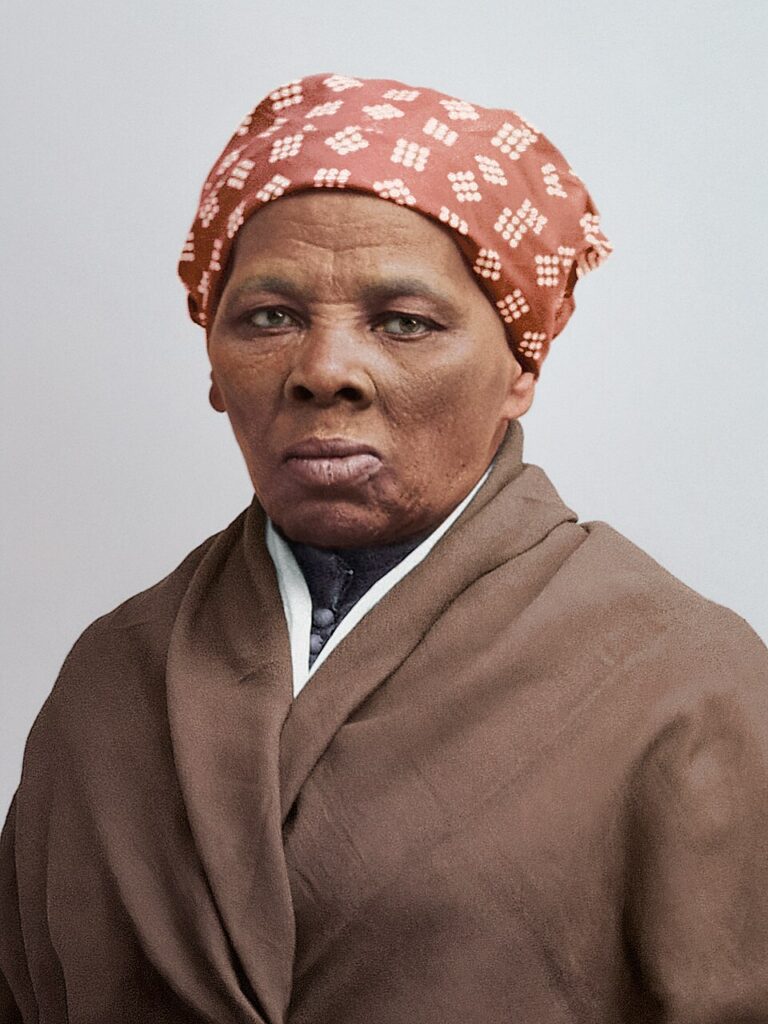
The 1800s saw women leverage their perceived “moral authority” to enter the public sphere. They led the Abolitionist Movement, with figures like Harriet Tubman leading dozens to freedom and Sojourner Truth advocating for the intersectional rights of Black women.
Women were central to the abolitionist movement. Black activists such as Sojourner Truth electrified audiences with speeches like “Ain’t I a Woman?”, linking racial and gender justice in a single moral argument. Harriet Tubman risked her life leading enslaved people to freedom and later served as a Union spy.
In 1848, at Seneca Falls, Elizabeth Cady Stanton and Susan B. Anthony launched the organized women’s rights movement. Their Declaration of Sentiments boldly demanded suffrage, property rights, and legal equality.
The struggle would take 72 years. In 1920, the ratification of the 19th Amendment granted women the right to vote. It was not universal—many Black women in the South were still disenfranchised—but it fundamentally altered American democracy.
Every major American war expanded women’s roles—and reshaped society afterward.
During the Civil War, women ran hospitals, managed plantations and businesses, and organized massive relief efforts. In World War I and especially World War II, women entered factories, shipyards, and laboratories in unprecedented numbers. “Rosie the Riveter” became a cultural icon, but behind the poster was a reality: women proved they could master industrial labor at scale.

When soldiers returned, many women were pushed back into domestic roles. But something irreversible had occurred. The American workforce would never again be exclusively male.
By the late 20th century, women were entering law, medicine, finance, academia, and entrepreneurship in record numbers. The Equal Pay Act of 1963 and Title VII of the Civil Rights Act of 1964 provided legal frameworks for challenging discrimination.
Women did not just join the economy—they reshaped it.
The Civil Rights Movement is often narrated through male leadership, but women were its backbone.
Rosa Parks was not merely a tired seamstress; she was a seasoned activist whose arrest catalyzed the Montgomery Bus Boycott. Fannie Lou Hamer challenged the Democratic Party on national television, exposing racial injustice in Mississippi.
Women organized grassroots campaigns, coordinated voter registration drives, and sustained community networks that made large-scale protest possible.
Simultaneously, second-wave feminism emerged. Books like Betty Friedan’s The Feminine Mystique questioned domestic confinement. Activists fought for reproductive rights, workplace equality, and protection against sexual harassment.
The women’s movement and civil rights movement together redefined American citizenship.
Though unelected, several First Ladies transformed the White House into a platform for reform.
Eleanor Roosevelt redefined the role entirely. She held press conferences, championed labor rights and racial equality, and later helped draft the Universal Declaration of Human Rights at the United Nations.
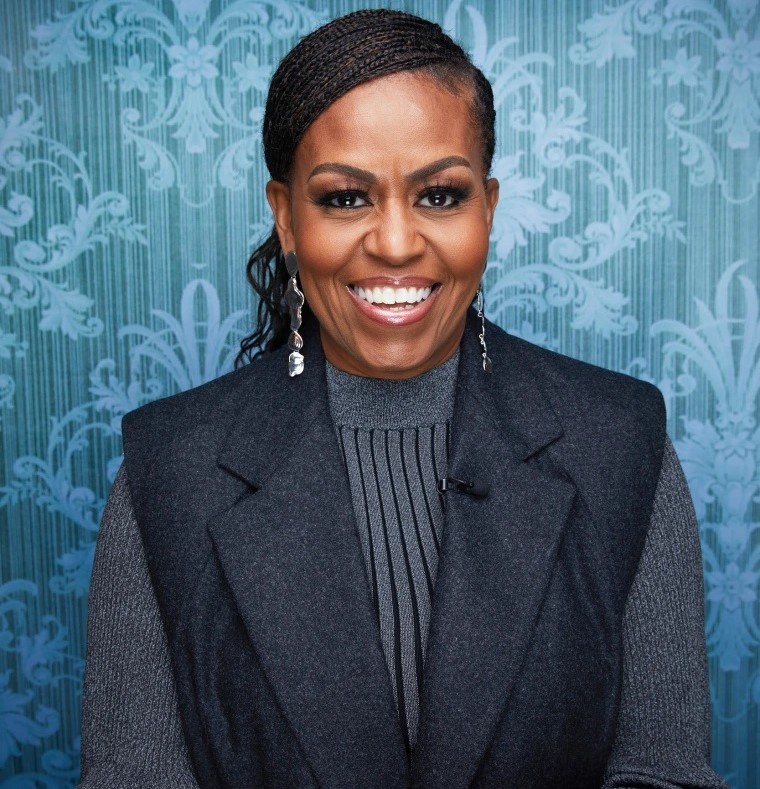
Lady Bird Johnson led environmental beautification initiatives that contributed to conservation efforts nationwide. Michelle Obama launched campaigns promoting health, education, and military family support.
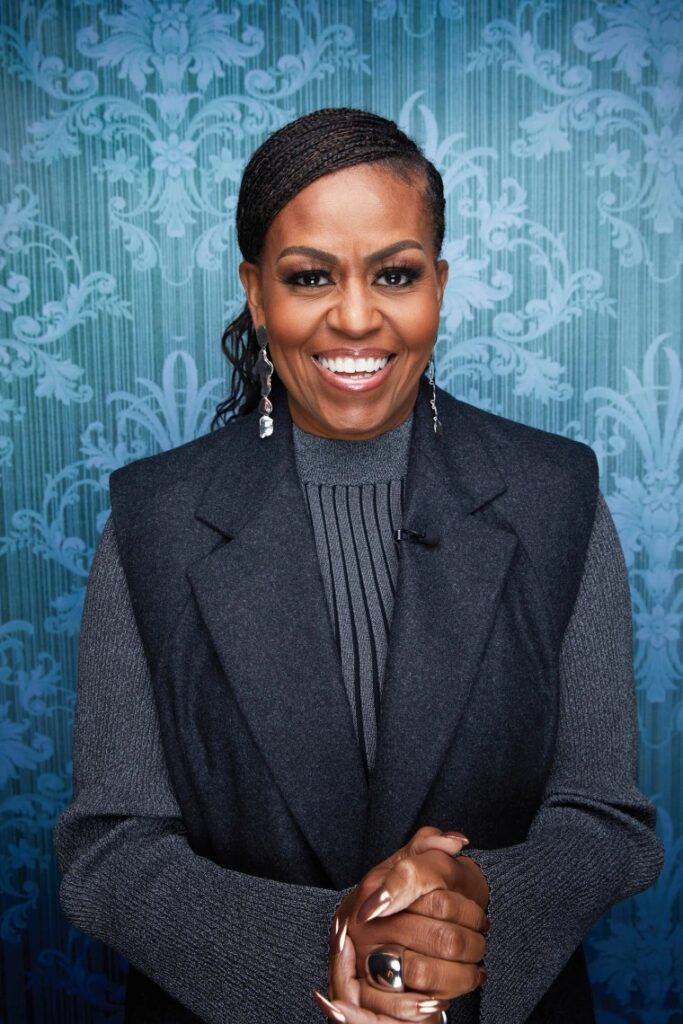
Beyond the East Wing, women steadily entered elected office. Shirley Chisholm became the first Black woman elected to Congress and later ran for president in 1972. Decades later, Kamala Harris shattered another barrier as the first woman, first Black American, and first South Asian American vice president.
Political leadership was no longer theoretical. It was visible.
Women’s intellectual contributions have propelled American innovation.
At NASA, mathematicians like Katherine Johnson calculated flight trajectories that made orbital missions and the moon landing possible. Alongside her were Dorothy Vaughan and Mary Jackson, who broke racial and gender barriers in STEM.
Entrepreneurship tells a similar story. Madam C. J. Walker built a haircare empire in the early 20th century, becoming one of America’s first self-made female millionaires and creating economic opportunity for thousands of Black women.
From medicine to computer science to biotechnology, women’s research and leadership have shaped modern America’s technological dominance.
To shape a nation is not only to pass laws or win wars—it is to define its imagination.
Writers like Toni Morrison forced America to confront the psychological legacy of slavery. Artists such as Georgia O’Keeffe redefined American visual identity through bold abstraction rooted in the landscape.
Musicians, filmmakers, journalists, and scholars have shaped how Americans see themselves and how the world sees America. Cultural influence is power—and women have wielded it masterfully.
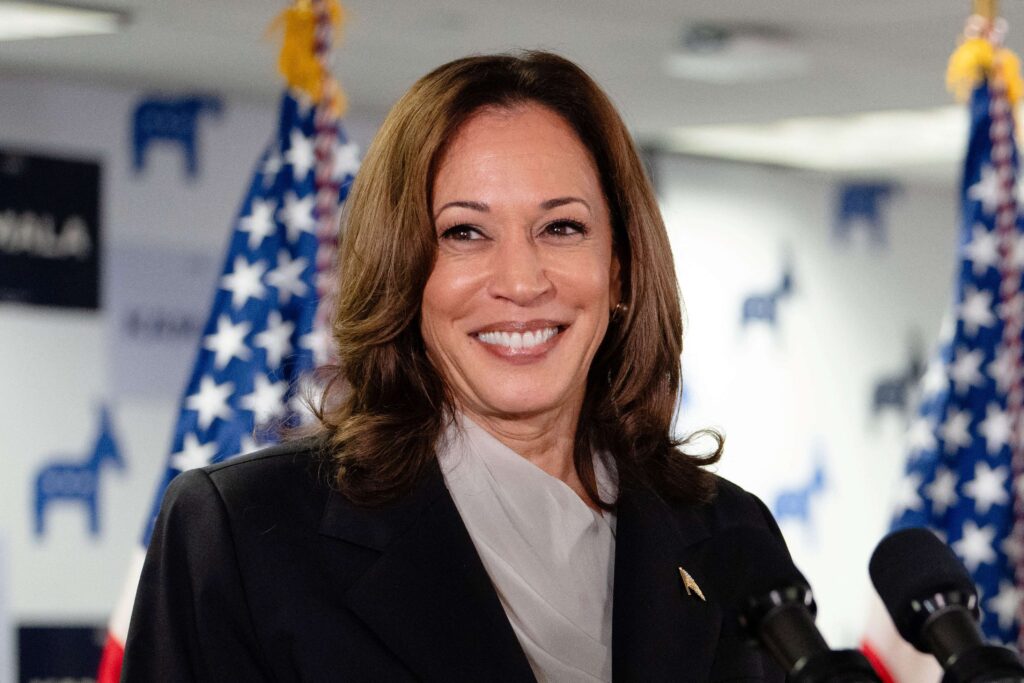
Today, women lead Fortune 500 companies, command military operations, serve on the Supreme Court, and dominate university enrollment. Movements like #MeToo have exposed systemic abuse and restructured conversations around accountability and workplace culture.
Yet challenges remain: wage gaps, underrepresentation in certain leadership roles, and disparities in healthcare and childcare access. The story is not finished.
But if history is any guide, American women will not wait quietly for change. They will organize it.
Women have been revolutionaries and reformers, strategists and scientists, artists and activists. They have expanded democracy, transformed the economy, advanced civil rights, and reshaped culture.
American history is not a story of occasional female breakthroughs—it is a continuous narrative of women pressing the nation closer to its stated ideals.
In every era, when America faced a crossroads, women were there—not just witnessing history, but writing it.