
 By
By I was born and bred in Lagos. That loud, loving, unpredictable city where music pours out of every corner. So my siblings and I grew up learning the world through borrowed speakers. Neighbors blasting music from cassettes. Older cousins showing off their new stereos. Random radios humming from kiosks, balconies, and cassette vendors advertising their wares at full volume. That was my musical education. My mother loved music, but if it wasn’t something from her immediate cultural universe, she wasn’t pressing play. Western music wasn’t her thing, and she needed to understand a song to enjoy it anyway.
Somewhere between the crackle of radio static and the glow of the family TV (on the rare days when NEPA behaved), I discovered the Black American women who sang like they were testifying, fighting, healing, and laughing all at once. Women who stood tall in their truth and made the world adjust to them. I didn’t know their struggles in detail, but I knew their power. I didn’t know their personal lives or politics, but I recognized their courage and felt their purpose.
These women- Lauryn Hill, Queen Latifah, Whitney Houston, Anita Baker, Salt‑N‑Pepa, TLC, Tina Turner- became my long‑distance relatives who shaped my imagination. The impact was so deep that when I held my first daughter in my arms, I named her Lauryn, after the woman whose voice taught me that brilliance and vulnerability can live in the same body. So as Black History Month hands the mic to Women’s History Month, I return to the soundtrack that raised me from across an ocean: the women who sang us forward.
Queen Latifah
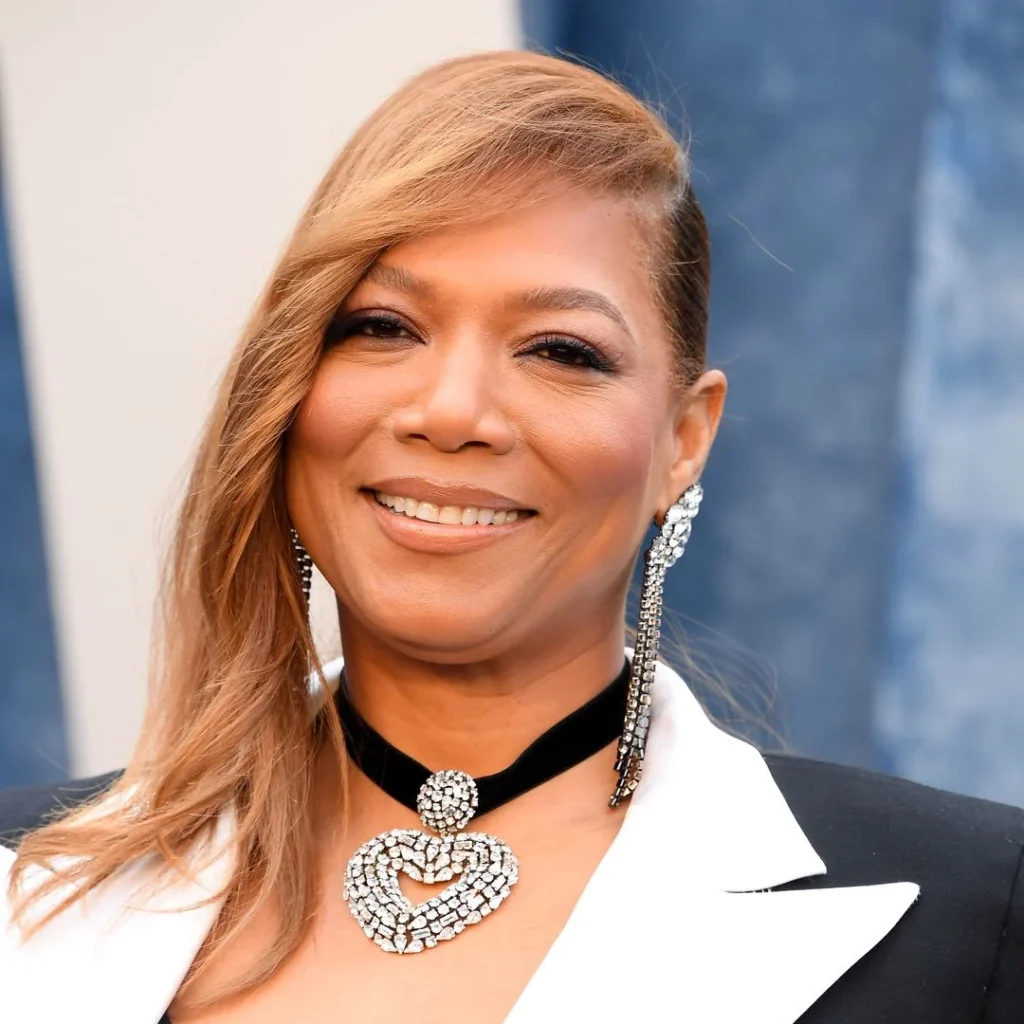
She’ll always be the woman who announced U.N.I.T.Y. before it was trendy. The first time I heard her bark, “Who you callin’ a b—?” in that U.N.I.T.Y. music video, I didn’t yet understand the politics, but I knew she wasn’t playing. Latifah didn’t whisper empowerment. She declared it. She bulldozed misogyny with a beat behind her. If the world were a classroom, Queen Latifah would be the teacher who confiscated patriarchy like it was a contraband cell phone. Latifah didn’t just enter the male-dominated hip-hop arena; she walked in, adjusted her crown, and declared that respect for Black women was non-negotiable. She rapped about street harassment and domestic violence with a “Mama Gave Me a Brand New Bag” kind of confidence, acting as the big sister of the movement- bold, unbothered, and beautifully ahead of her time.
Lauryn Hill
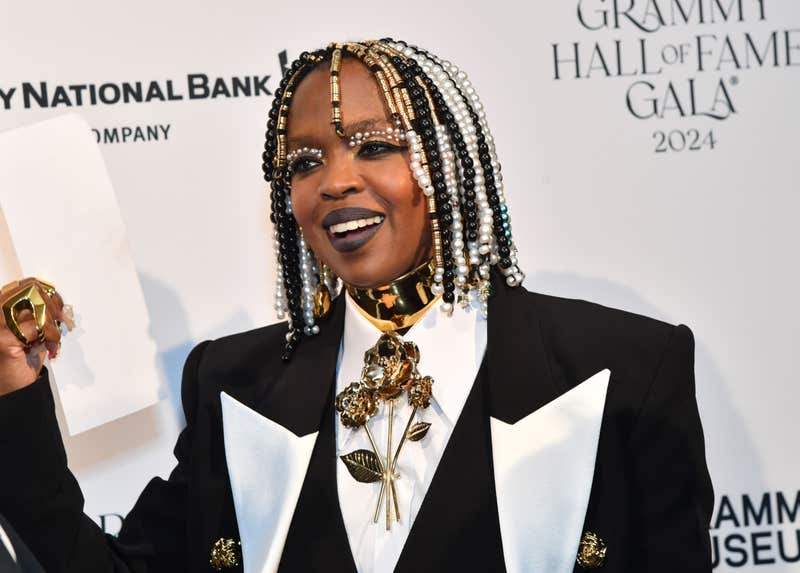
Then came Lauryn Hill, the woman who made “The Miseducation” feel like a degree program. Listening to Lauryn was like attending a masterclass in love, heartbreak, identity, and spiritual taxes. She didn’t just sing; she explained life. When Lauryn stepped into the spotlight, she didn’t just sing; she sermonized. Her voice carried the ache of generations, blending hip-hop and soul into a revolution wrapped in velvet. She taught us that “Everything is Everything,” turning her album into a literal syllabus for life. She sang about love, but not the “soft and fluffy” kind. She gave us the “Ex-Factor” kind of love that forces you to confront your own reflection. She proved that soul and scripture could share a stage, and we’ve been students in her classroom ever since.
She made you question your choices, your exes, your hairstyle, and your entire existence, all in one verse. Lauryn was the friend who told you the truth gently, then handed you a mirror and said, “Now look again.”
Anita Baker
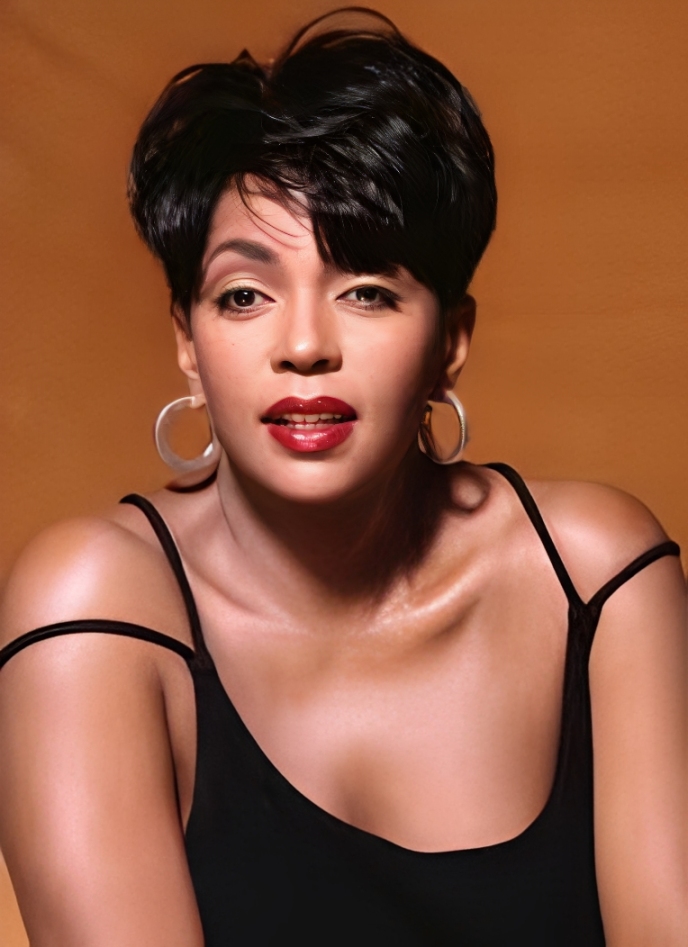
Anita Baker’s voice was warm honey poured over a cold world. She didn’t shout. She didn’t need to. Her whisper could move mountains. When she sang “Sweet Love,” she wasn’t just talking about romance. She was talking about dignity- the right of Black women to be cherished in a world that often demanded they be strong 24/7.
Anita Baker taught us that softness is not weakness but strategy. By singing about dignity and emotional honesty, she gave Black women the “Sweet Love” they deserved: the right to be soft, vulnerable, and adored. She reminded us that being “Caught Up in the Rapture” of our own worth is a political act.
Whitney Houston
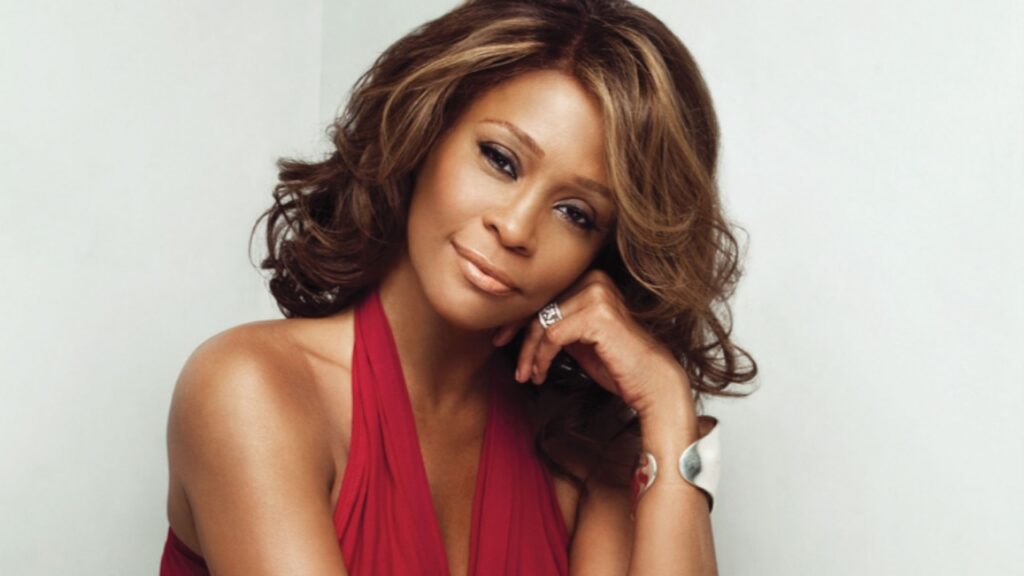
Whitney was a cultural force who shattered ceilings reinforced for decades. Her very existence in pop music was a statement: Black women belong everywhere. Whether she was hitting notes that defied gravity or bringing Black excellence into global living rooms, Whitney’s presence was political. She proved that our voices could be global ambassadors, building bridges where others saw only barriers. Whitney was the woman who made the impossible sound easy. She hit notes so high they could file a complaint with the FAA. Beyond the vocal acrobatics, Whitney was a cultural earthquake. She walked into pop music, a space that wasn’t built for Black women, and rearranged the furniture. When she belted “I’m Every Woman,” she wasn’t exaggerating. She was testifying.
Whitney reminded us that Black women don’t just participate in culture; they define it.
Tina Turner
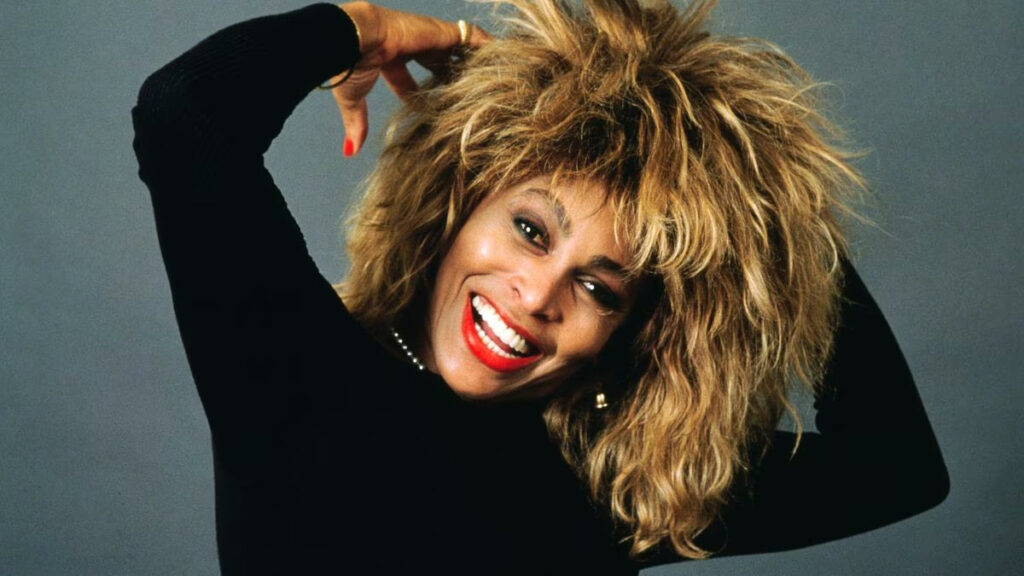
And then, of course, there was Tina Turner, the woman whose voice could set fire to a stage and whose life could fill a library. If Queen Latifah gave us courage and Lauryn Hill gave us wisdom, Tina Turner gave us freedom- loud, electric, and unapologetically earned. Growing up, I didn’t fully understand the depth of Tina’s story. I just knew that whenever she shouted “What’s Love Got to Do With It,” my aunties would nod like she was preaching the gospel. Later, I realized why: Tina wasn’t just singing a catchy hook. She was teaching a masterclass in survival, self‑respect, and the art of reclaiming your life.
Tina Turner was the original “you will not break me” anthem long before resilience became a hashtag. She walked through fire, literally and metaphorically, and came out with legs that could outrun your favorite athlete and a voice that could out‑shout your loudest uncle. Her music was a roadmap for anyone who has ever had to rebuild themselves from the ground up. “Proud Mary” was a testimony about rolling forward even when the river gets rough. “Better Be Good to Me” was a boundary-setting workshop wrapped in a rock‑and‑roll beat. And “We Don’t Need Another Hero” reminded us that sometimes the hero you’re waiting for is the one staring back at you in the mirror.
In the grand choir of Black women who sang us forward, Tina was the thunder — the force of nature who reminded us that liberation is not just a dream. It is a decision. And she made it look simply the best.
Salt‑N‑Pepa
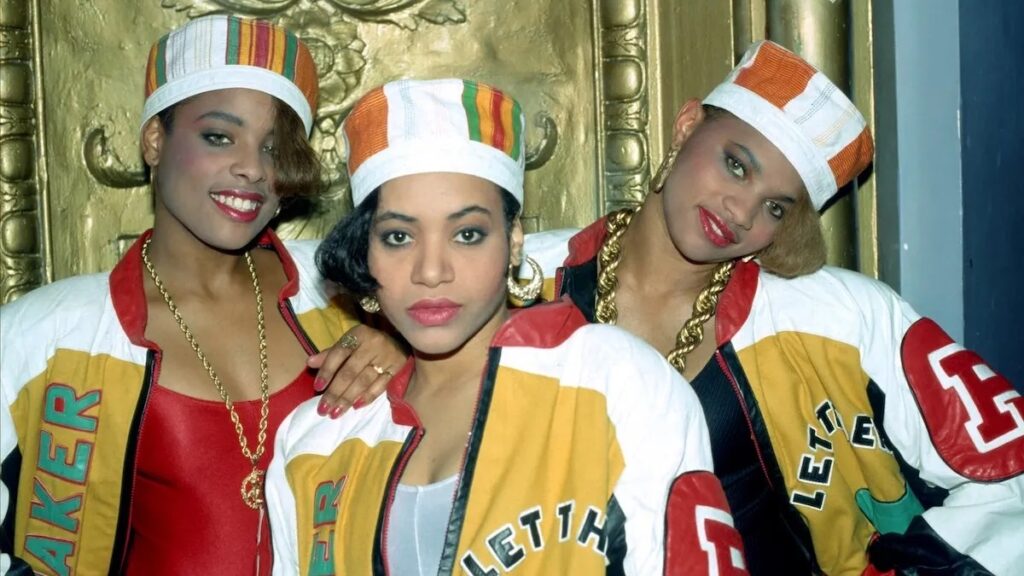
Long before TikTok challenges, these ladies were out here telling women to own their voices and their choices. They made us “Push It”, so we pushed the culture, the boundaries, and pushed past the “pearl-clutchers” who weren’t ready for their boldness. They made feminism danceable, proving that independence and joy are the ultimate power moves, all while wearing the freshest jackets in hip‑hop history. When they said “Let’s Talk About Sex,” they weren’t being provocative. They were being revolutionary. They made empowerment fun, loud, and unapologetically rhythmic.
TLC
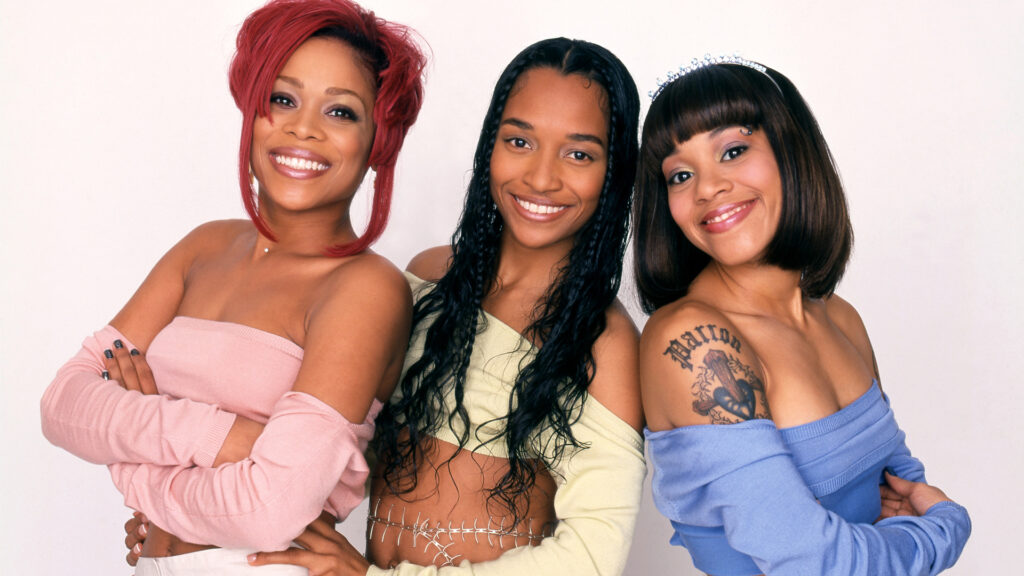
TLC was the group chat before group chats existed. They were the friends who told you not to chase waterfalls, not to settle for scrubs, and not to let anyone dim your shine. The sisters warned us about scrubs before we met them. That fearless energy was carried forward by TLC, the sisters who refused to play it safe. They were the ones telling us “Ain’t 2 Proud 2 Beg” for respect while simultaneously warning us about the dangers of “Chasing Waterfalls”, both literally and metaphorically. From HIV awareness to financial independence, they were fun, fearless, and unfiltered. They didn’t just want “No Scrubs”; they wanted a world where Black women were safe, seen, and self-sufficient. TLC didn’t just give us music. They gave us survival instructions.
And They Sang Us Forward
These women didn’t just make hits, they made history singing about racism, sexism, heartbreak, healing, identity, survival, and the audacity of being a Black woman in a world that often misunderstands us. Their music was a protest sign wrapped in melody, and a love letter wrapped in rhythm. Their legacy lives on in every Black woman artist today, from Beyoncé to Janelle Monáe.
As February hands the mic to March, I find myself grateful for the women who raised us through speakers and headphones. The women who taught us to stand tall, love loudly, fight gently, and walk boldly. Queen Latifah gave us courage. Lauryn Hill gave us wisdom. Anita Baker gave us softness. Whitney Houston gave us possibility. Salt‑N‑Pepa gave us voice. TLC gave us boundaries. Tina Turner gave us freedom. Together, they formed the greatest girl group that never officially existed, the collective choir of Black womanhood. And decades later, their voices still echo- fierce, fearless, and unforgettable.
The clarity of the ’80s and ’90s paved the way for a new era of unapologetic Black womanhood. As we celebrate these two months, Afrik Digest salutes the women who didn’t just sing for us; they sang us forward. Decades later, the melody remains the same: fierce, fearless, and forever unforgettable.